


How to Layer Skincare Products the Right Way (A Mature Skin Routine That Actually Works)
This post contains affiliate links. If you buy through them, I may earn a small commission — at no extra cost to you.
Seven bottles on my bathroom counter. No idea what order they went in. So I did what any reasonable person does and just… started with moisturizer. Sealed everything in like I was winterizing a cabin. Then stood there wondering why my serum felt like it was sitting on top of my face instead of actually doing anything.
If you’ve been there, hi, welcome, this post is for you.
What I’m sharing here isn’t what I tested once and wrote up for clicks. This is the actual routine I do every morning and every night — the one I’ve refined over years of reading ingredient labels, making expensive mistakes, and slowly figuring out that mature skin doesn’t need more products. It needs the right products in the right order. You get the shortcut I had to learn the hard way.
It looks like a lot of steps written out. It felt like a lot to me too, at first. Now I run through it in about ten minutes while a podcast plays, on autopilot. Consistency does that. It turns even a multi-step routine into muscle memory faster than you’d expect, and then one day you realize your skin just… looks good. Without foundation. That’s the goal.
Why the Order You Apply Products Actually Matters
Skincare layering isn’t a ritual the beauty industry invented to sell you more serums. There’s real logic behind it — chemistry, molecular weight, and the basic physics of how ingredients penetrate skin.
If you apply a thick occlusive moisturizer before a water-based serum, that serum is going exactly nowhere useful. You’ve essentially put plastic wrap over your skin and then tried to water the grass through it. The moisturizer has sealed the surface before the active ingredients had any chance to get through.
The core rule is simple: thinner, water-based products go on first. Thicker, oil-based or cream-based products go on last. Each layer needs a moment to penetrate before the next one creates a barrier over it.
The One Thing to Remember
Lightest to heaviest. Water before oil. Active ingredients before passive ones. That’s it. That’s the whole framework. Everything else is just applying that logic to specific products and what your skin specifically needs.
Morning vs. Night: Two Different Jobs, Two Different Routines
Your skin runs on a schedule, and it has two distinct shifts. During the day, the job is protection — defending against UV exposure, pollution, environmental stress, whatever temperature and humidity you’re walking into. At night, while you sleep, it switches into repair mode: cell turnover, collagen production, barrier recovery.
Your morning routine is about defense. Your evening routine is about clearing the way for renewal. Running the same routine at both times of day is like wearing a raincoat to bed. Perfectly logical in one context, counterproductive in the other.
Some products belong strictly in the morning — Vitamin C serums, SPF. Others are night-only — retinoids, richer repair creams. Some, like a good toner or eye treatment, pull their weight at both ends of the day. The routines below reflect what actually works for my skin: combination, over 35, prone to redness, and mildly but persistently in denial about my pores.
My Morning Skincare Routine, Step by Step
Step 1: Cleanse (But Don’t Strip)
Some people skip morning cleansing if their skin runs dry. My combination skin wakes up with enough activity in the T-zone that I don’t have that luxury. But what I do avoid is anything harsh. That tight, squeaky-clean feeling after washing? That’s your skin barrier protesting. You’ve just spent the next several steps trying to rebuild what you stripped in sixty seconds.
The La Roche-Posay Toleriane Foaming Facial Cleanser is the one I keep returning to. It foams properly without being aggressive about it, my cheeks don’t feel parched afterward, and it doesn’t dismantle my barrier before I’ve even started. For mature skin specifically, this balance matters more than almost any other product category — because what you’re about to apply can only work if your skin isn’t already in recovery mode from the cleanse.
La Roche-Posay Toleriane Foaming Facial Cleanser | Amazon
Step 2: Tone (Not Like It’s 2004)
The astringent-soaked cotton pad situation of our youth is not what we’re doing here. Modern toning is about hydration and prep, not stripping and tightening. A good toner right after cleansing starts replenishing moisture before it even has a chance to evaporate — your skin is like a sponge at this point, and you want to take advantage of that.
The Anua Heartleaf 77% Soothing Toner is what I reach for. The heartleaf extract calms redness, the 77% concentration actually means something instead of being a marketing decoration, and the texture is lightweight enough that it absorbs immediately. I press it in with my palms rather than wiping with a cotton pad — more product where it belongs, less wasted on cotton fiber.
Anua Heartleaf 77% Soothing Toner | Amazon
Step 3: Vitamin C Serum (Morning Only)
Vitamin C is a morning ingredient. Full stop. It neutralizes free radicals from UV exposure and pollution before they can cause damage, which means it works best applied before you go out into the world, not after. At night, the oxidative stress it’s meant to fight isn’t happening, and some formulas can actually work against the repair process you’re trying to support.
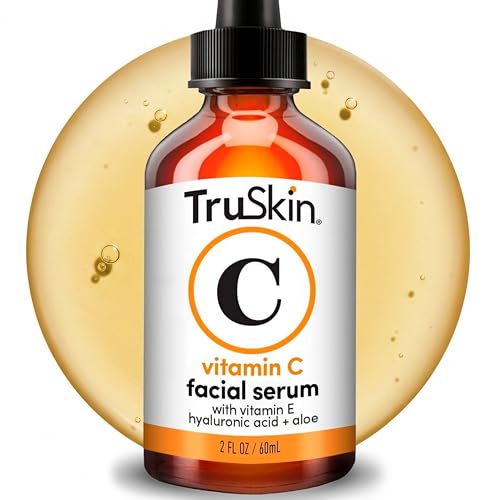
Three drops of the TruSkin Vitamin C Serum covers my whole face and neck. The formula uses a stabilized form of Vitamin C alongside hyaluronic acid and vitamin E, which matters because unstabilized ascorbic acid oxidizes fast and loses efficacy before it even does much. After three months of consistent morning use, the general evenness of my skin tone improved noticeably — not dramatically, but the kind of gradual improvement that makes you realize you stopped thinking about concealer as often.
TruSkin Vitamin C Serum | Amazon
Step 4: Eye Cream
The skin around your eyes is thinner than the rest of your face and has fewer oil glands, which means it ages differently and needs different ingredients. What works on your cheeks can be too heavy here, causing milia, or too stimulating, causing irritation.
The RoC Retinol Correxion Eye Cream does both shifts for me — morning and night. The retinol concentration is low enough to use around the eyes without irritation, which is something you cannot say about most full-strength retinol products. In month four of use, the fine lines at my outer corners were visibly softened. I use a grain-of-rice amount, tapped in gently with my ring finger, not rubbed.
RoC Retinol Correxion Eye Cream | Amazon
Step 5: Moisturizer
Here is where a lot of mature skin routines go wrong: people choose moisturizers that sit on the surface and feel heavy rather than ones that actually support the skin barrier. For daytime, you want something that hydrates without leaving a greasy finish under SPF.
The CeraVe Moisturizing Cream has been in my routine for years. Ceramides, hyaluronic acid, and a non-comedogenic formula that works under makeup, under sunscreen, and doesn’t pill. It’s not glamorous, it doesn’t come in a beautiful jar, and it costs less than a restaurant lunch. It also genuinely works, which is more than I can say for several products that cost ten times as much.
CeraVe Moisturizing Cream | Amazon
Step 6: SPF (Non-Negotiable)
The single most effective anti-aging product ever developed costs under twenty dollars and most people skip it. SPF is the whole game for mature skin. Retinol, vitamin C, peptides — all of it is fighting an uphill battle if you’re not blocking the UV exposure that causes the damage in the first place.
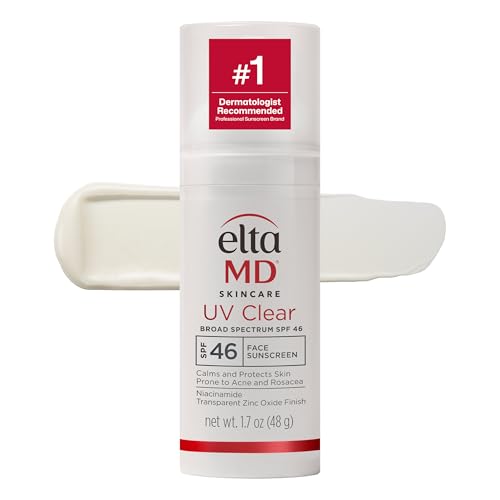
The EltaMD UV Clear Broad-Spectrum SPF 46 goes on last, every morning, including days I’m not leaving the house — because UVA rays come through windows. It’s lightweight, doesn’t leave a white cast, and works beautifully under makeup or on its own. The niacinamide in the formula is a bonus for redness-prone skin like mine.
EltaMD UV Clear Broad-Spectrum SPF 46 | Amazon
My Night Skincare Routine, Step by Step
Step 1: Double Cleanse
At night, I double cleanse. An oil-based cleanser first to dissolve SPF and any makeup or environmental residue — you cannot remove sunscreen effectively with a water-based cleanser alone, and leaving it on overnight undermines everything you’re about to do. Then a gentle water-based cleanser to finish.
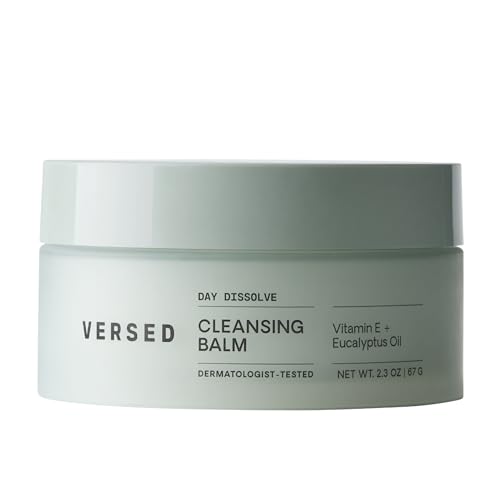
The Versed Day Dissolve Cleansing Balm melts everything off without tugging, and the La Roche-Posay Toleriane Foaming cleanser follows to clear the rest. Clean slate. Literally.
Versed Day Dissolve Cleansing Balm | Amazon
Step 2: Tone
Same Anua toner as the morning. Same press-in-with-palms technique. Your skin at night is just as receptive as it is in the morning, and setting a hydrated base before your actives helps everything that follows absorb more evenly.
Anua Heartleaf 77% Soothing Toner | Amazon
Step 3: Retinol Serum (Night Only)
Retinol is a night ingredient because it degrades in sunlight and because the accelerated cell turnover it triggers works with your skin’s natural nighttime repair cycle, not against it. It’s also the ingredient most likely to cause irritation if you start too fast, so I always recommend beginning two nights a week and building from there.
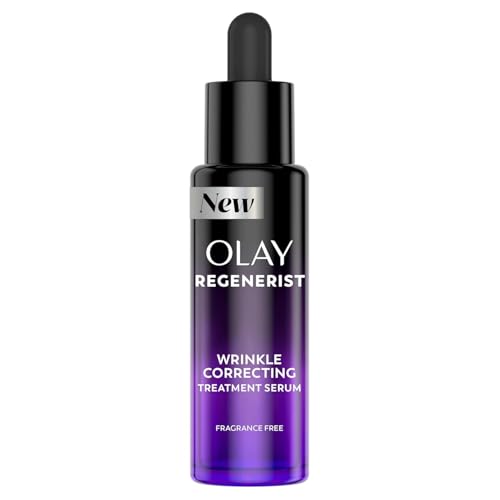
The Olay Regenerist Retinol 24 Serum is where I’d tell any retinol newcomer to start. It’s formulated with Vitamin B3 alongside retinol, which helps buffer irritation, and the hydrating base means you’re not waking up with skin that feels dryer than the Sahara after using it. I apply it after toning, before moisturizer, and I’ve been on five nights a week for over a year now with no sensitivity issues.
Olay Regenerist Retinol 24 Serum | Amazon
Step 4: Eye Cream
Same RoC eye cream as the morning. The retinol in it works harder at night, and I’ve found the slight cushion of moisture helps with the inevitable pillow-face phenomenon by morning.
RoC Retinol Correxion Eye Cream | Amazon
Step 5: Night Moisturizer or Sleeping Mask
Night moisturizers can be richer than daytime ones because you don’t need to worry about texture under SPF or makeup. This is the step where you let your skin get genuinely nourished instead of just presentable.
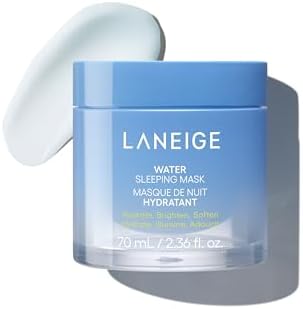
The Laneige Water Sleeping Mask is my weeknight go-to. It layers over my retinol serum without pilling, the gel texture absorbs fully by morning, and I consistently wake up with skin that looks plump rather than tired. On weekends, when I have time to be more deliberate, I swap in a richer cream. But for the nights when I’m asleep within ten minutes of finishing my routine, the sleeping mask does the job reliably.
Laneige Water Sleeping Mask | Amazon
The Part Nobody Wants to Hear
The routine only works if you actually do it. Not perfectly — I skip nights, I occasionally fall asleep before finishing, I went through a phase of neglecting SPF in winter because I told myself the sun was weak enough and I was wrong. None of that derailed my results permanently, because results in skincare are cumulative. One bad week doesn’t undo months of consistency.
What actually matters is the long average. Do it most mornings. Do it most nights. Use SPF like it’s a non-negotiable, because it is. Give your actives — especially retinol and vitamin C — at least three months before you evaluate whether they’re working, because that’s how long skin turnover cycles take.
Your skin doesn’t need perfection. It needs you showing up more often than not, with products that make sense for what it actually needs. That’s the whole thing. That’s the routine that works.
SHOP THIS POST



Discover more from The Harpy Nest
Subscribe to get the latest posts sent to your email.