
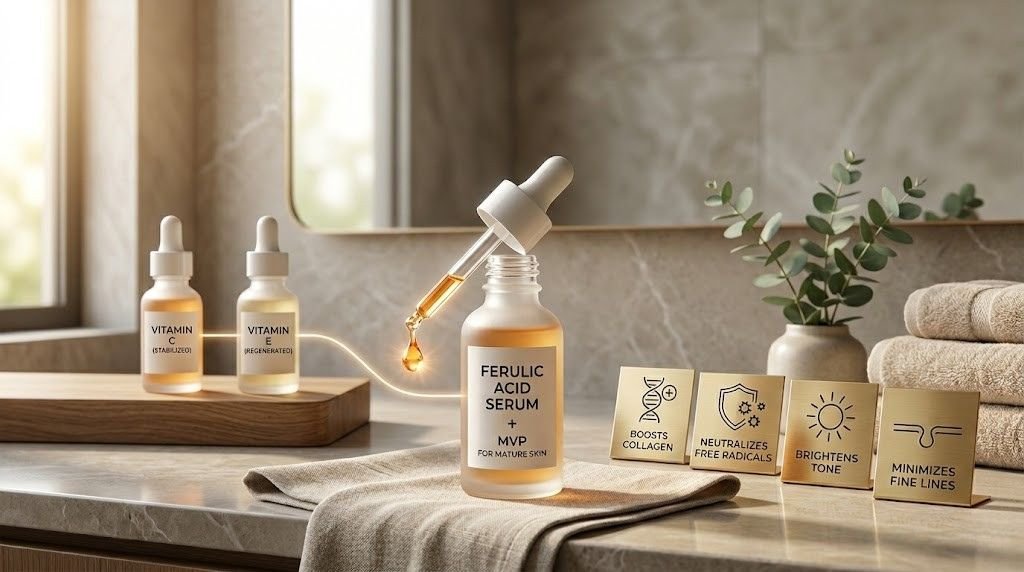
Ferulic Acid Serum – The MVP for Mature Skin
This post contains affiliate links. If you buy through them, I may earn a small commission — at no extra cost to you.
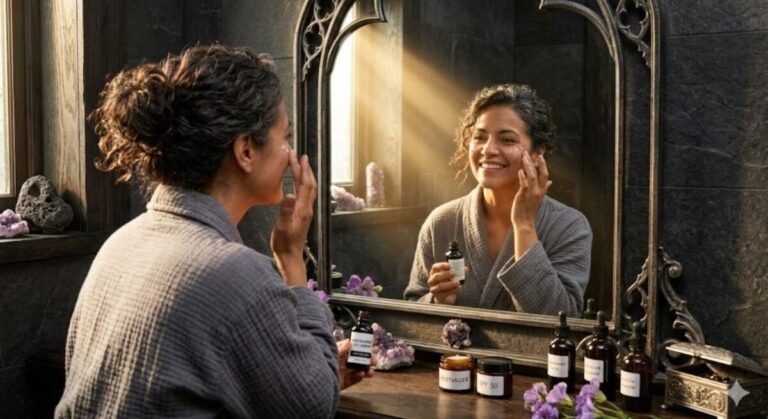
When you look in the mirror and notice fine lines etched around your eyes or dark spots lingering from last summer’s sun exposure, you’re seeing the visible evidence of free radical damage accumulating in your skin. For women over 40, the battle against aging skin isn’t just about preventing new damage, but actively defending what you have left while repairing what’s already been compromised. Enter ferulic acid serum, a botanically derived antioxidant that dermatologists consistently rank among the top five anti-aging actives available today.
This powerful compound doesn’t just sit on the skin’s surface. It works at the cellular level to neutralize unstable molecules before they can break down your collagen, fade stubborn hyperpigmentation that won’t budge on its own, and actually double the photoprotective power of other antioxidants when combined correctly. What makes ferulic acid especially valuable for mature skin is its dual action of protection and repair, addressing nearly every core concern that surfaces after 30, from slowed cell turnover to thinning barrier function. If you’re ready to add evidence-based skincare to your routine, understanding how this dermatologist-recommended serum fits into your daily defense strategy can make the difference between skin that ages gracefully and skin that shows every year.
Key Takeaways
- Antioxidant Powerhouse: Ferulic acid neutralizes free radicals that accelerate collagen breakdown and visible aging at the cellular level.
- Collagen Defender: Inhibits MMP enzymes that destroy collagen while simultaneously stimulating new procollagen production for firmer skin.
- Synergy Multiplier: Doubles the photoprotective power of Vitamins C and E when combined in one serum, creating the gold-standard antioxidant trio.
- Hyperpigmentation Fighter: Clinically proven to reduce melanin index, fading dark spots and uneven skin tone over consistent use.
- Barrier Supporter: Stimulates hyaluronic acid production and reduces oxidative stress on the skin barrier, improving hydration and resilience.
- All Skin Types: Well-tolerated by dry, oily, sensitive, and rosacea-prone mature skin alike, making it a versatile choice for women over 30.
Why Ferulic Acid Serum Matters for Mature Skin
After 30, your skin enters a new phase where the cumulative effects of UV exposure, pollution, and metabolic activity become visibly apparent in ways they never did before. Collagen production slows by approximately 1% per year, cell turnover extends from roughly 28 days to 45 or even 60 days, and melanin regulation becomes less stable, leading to dark spots that refuse to fade on their own. These changes aren’t just cosmetic. They represent fundamental shifts in how your skin functions, heals, and protects itself from environmental aggressors. This is where a best antioxidant serum becomes non-negotiable, not optional.
The Biology of Skin Aging After 30
Your skin’s natural defense mechanisms weaken over time, creating compounding vulnerability to damage. The dermal matrix, where collagen and elastin fibers provide structure and bounce, becomes thinner and less organized. Fibroblasts, the cells responsible for making new collagen, slow their production significantly. At the same time, enzymes that break down existing collagen become more active, tipping the balance toward net loss rather than renewal. Your skin barrier also thins, reducing its ability to hold moisture and defend against irritants, which is why skin that was never sensitive before may suddenly become reactive in your 30s and beyond.
The Oxidative Stress Problem
Decades of sun damage, air pollution, cigarette smoke, and even normal metabolic processes generate free radicals, unstable molecules that attack healthy skin cells and accelerate visible aging. Research published in PMC confirms that ferulic acid significantly reduces reactive oxygen species (ROS) generation in human keratinocytes and dermal fibroblasts, the very cells responsible for skin renewal and collagen production. SPF alone cannot fully reverse this accumulated damage. You need a targeted antioxidant defense that interrupts oxidative chain reactions before they can degrade your skin at the cellular level, and that’s exactly what ferulic acid does every morning you apply it.
Signs Your Skin Is Calling for Ferulic Acid
Most women don’t start researching cosmeceutical ingredients until they notice specific changes that moisturizer alone won’t fix. Recognizing these signs early allows you to intervene before the damage becomes more difficult to address.
Persistent Dark Spots and Uneven Tone
Sun spots, melasma, and post-inflammatory hyperpigmentation that linger for months or even years signal cumulative UV-induced oxidative damage that has disrupted your melanin production pathways. Clinical trials show that a serum combining 15% Vitamin C, 1% Vitamin E, and 0.5% ferulic acid delivers measurably greater reduction in melanin index compared to treatment without ferulic acid. This means the dark spots actually fade when you address the oxidative stress driving their persistence.
Fine Lines and Early Wrinkles
Lines around your eyes, mouth, and forehead indicate that collagen breakdown has begun to outpace your skin’s natural repair capacity. Ferulic acid inhibits matrix metalloproteinase (MMP) enzymes, the specific enzymes that degrade collagen and elastin fibers, while simultaneously promoting procollagen synthesis. This dual action means you’re not just slowing the loss, you’re actively supporting new structural protein formation.
Dullness and Loss of Radiance
Skin that looks tired, flat, or gray even after moisturizing signals slowed cell turnover and accumulated oxidative stress dulling your complexion. When free radicals attack the surface layer of skin cells, they disrupt the natural exfoliation cycle and leave behind damaged cells that reflect light poorly. A ferulic acid for dark spots formula combined with Vitamin C can restore that glow serum effect by neutralizing the oxidative damage and accelerating healthy cell renewal.
Increased Sensitivity or Redness
A thinning barrier and chronic low-grade inflammation, sometimes called inflammaging, make skin more reactive to products, weather, and environmental triggers. Ferulic acid’s anti-inflammatory properties directly address this by suppressing pro-inflammatory cytokines and reducing erythema, making it particularly valuable for women experiencing new sensitivity or redness as they age.
Benefits Broken Down by Skin Concern
Understanding exactly how ferulic acid addresses each specific mature skin concern helps you set realistic expectations and measure progress over time.
Fine Lines and Wrinkles
Ferulic acid inhibits the MMP enzymes that actively degrade your collagen and elastin while promoting new procollagen synthesis, the building block your skin uses to create fresh collagen fibers. For maximum anti-aging benefits, consistent morning application over at least 60 to 90 days allows these cumulative structural improvements to become visible. You should pair this with a peptide-rich moisturizer for compounding firming effects, as collagen peptides work synergistically with antioxidant defense.
Dark Spots and Hyperpigmentation
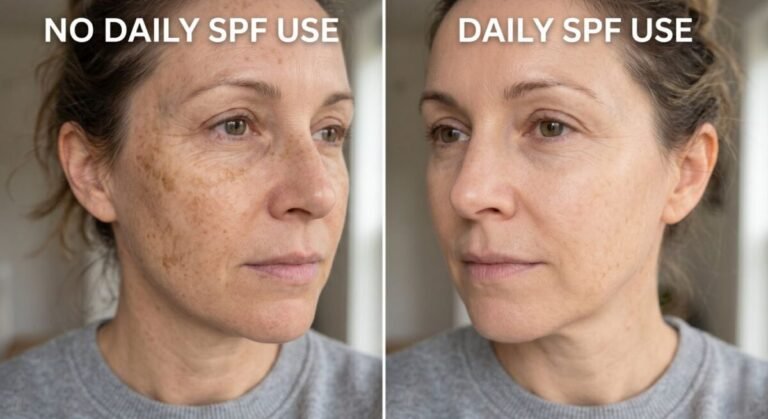
The combination of ferulic acid with Vitamins C and E is clinically proven to reduce melanin index, the measurable darkness of hyperpigmented areas, more effectively than Vitamin C alone. A 2026 double-blinded clinical trial specifically demonstrated this enhanced melanin reduction when the trio was applied consistently. Always pair your brightening serum with broad spectrum SPF to prevent new UV-induced pigmentation while your existing spots fade, or you’ll be working against yourself.
Loss of Firmness and Elasticity
By neutralizing free radicals before they can attack your existing collagen and elastin matrix, ferulic acid protects the structural integrity you still have while your skin works to build new fibers. This photoprotection is particularly important for mature skin, which has less reserve capacity to replace damaged proteins quickly. Layer your ferulic acid serum with a firming moisturizer containing ceramides or peptides to support both the defense and repair processes simultaneously.
Dullness and Uneven Radiance
The C plus E plus ferulic acid trio delivers a visible brightening effect by reducing the oxidative dullness that accumulates on the skin’s surface and accelerating the natural exfoliation cycle. Unlike harsh physical or chemical exfoliants, this approach renews radiance through cellular health rather than stripping the barrier. For this specific concern, choose a combined trio serum over standalone ferulic acid, as the synergy between all three antioxidants is what creates the most dramatic skin tone evening effect.
Redness and Inflammation
Ferulic acid suppresses the inflammatory signaling molecules that cause persistent redness and visible blood vessel formation under the skin. Studies on women aged 39 to 61 showed measurable improvements in skin inflammation markers after consistent use of ferulic acid combined with ascorbic acid. If you have rosacea-prone or sensitive skin, look for a fragrance-free serum with a lower Vitamin C concentration, around 10% rather than 20%, to minimize potential irritation while still delivering the anti-inflammatory benefit.
The Science and Clinical Evidence
Unlike trendy ingredients that come and go based on marketing hype, ferulic acid has decades of peer-reviewed research and dermatologist validation supporting its use in evidence-based skincare routines.
Clinical Study Highlights
The 2025 PMC systematic review confirmed that ferulic acid significantly reduces reactive oxygen species in human skin cells, the primary driver of photoaging and collagen breakdown. The 2026 double-blinded split-face trial demonstrated measurable melanin reduction when ferulic acid was added to a Vitamin C and E formula. Perhaps most relevant for your age group, a PubMed study on women aged 39 to 61 showed statistically significant improvements in pigmentation, hydration, and elasticity after several months of consistent use. These aren’t anecdotal reports or marketing claims. They’re controlled clinical assessments measuring real changes in mature skin.
Dermatologist Consensus
Board-certified dermatologists consistently rank ferulic acid among the top five anti-aging actives, often placing it alongside retinoids, Vitamin C, niacinamide, and sunscreen as foundational elements of any serious anti-aging routine. Dr. Mona Gohara describes ferulic acid as both a protector and a magnifier for other skincare ingredients, highlighting its unique dual function. The dermatologist recommended serum most often cited in clinical practice is SkinCeuticals C E Ferulic, which contains the gold-standard concentration of 15% L-Ascorbic Acid, 1% Vitamin E, and 0.5% ferulic acid in a low pH serum formulation optimized for maximum absorption.
Choosing the Right Formula for Your Skin Type
Not all ferulic acid serums are created equal, and matching the formulation to your specific skin type and primary concerns makes a significant difference in both results and tolerability.
Dry and Dehydrated Mature Skin
Look for formulas that combine ferulic acid with hyaluronic acid or a hydrating base containing glycerin or ceramides. Research shows that ferulic acid stimulates your skin’s own hyaluronic acid production, adding a secondary hydration benefit beyond what’s in the bottle. This makes it particularly valuable for mature skin experiencing barrier thinning and increased transepidermal water loss. Choose a serum with a slightly richer texture rather than a watery formula if your skin feels tight or flaky.
Oily and Combination Skin
Lightweight, water-based serum formats work best for skin that still produces oil but needs antioxidant protection against environmental aggressors and pollution protection. Ferulic acid is non-comedogenic and absorbs quickly without adding heaviness or shine, making it an excellent choice even if you avoided facial oils in your 20s. Apply it on clean, dry skin before your moisturizer and broad spectrum SPF for maximum absorption without clogging pores.
Sensitive and Rosacea-Prone Skin
Fragrance-free formulas with a lower Vitamin C concentration, typically around 10% L-Ascorbic Acid instead of 15% to 20%, reduce the risk of irritation while still delivering the antioxidant and anti-inflammatory benefits. Ferulic acid’s ability to reduce erythema makes it particularly beneficial for redness-prone skin, but you need to choose a gentle formulation that won’t trigger sensitivity. Patch test any new serum on your inner arm for 24 hours before applying to your face, especially if you have a history of reactive skin.
Hyperpigmentation-Focused Skin
Prioritize the gold-standard trio of 15% L-Ascorbic Acid, 1% Vitamin E, and 0.5% ferulic acid in dark bottle packaging or an airless pump to prevent oxidation. The clinical evidence for melanin reduction is strongest with this specific combination and concentration. Check the INCI ingredients list to confirm ferulic acid appears, as some products claim to contain it but only include trace amounts that won’t deliver therapeutic results. Your serum should have a pH around 3.0 to 3.5 for optimal Vitamin C absorption.
When and How to Add It to Your Routine
Timing and layering strategy matter almost as much as the formula itself when it comes to getting clinically meaningful results from your ferulic acid serum.
Morning Is Prime Time
Ferulic acid’s antioxidant defense function is most valuable during the day when UV radiation, pollution, and other environmental aggressors are actively generating free radicals in your skin. Dermatologists recommend morning application before moisturizer and SPF so the serum can defend your skin throughout the hours when oxidative stress is highest. While you can technically use it at night, most experts suggest reserving your evening routine for retinol or AHAs that work best without sun exposure.
Layering Order
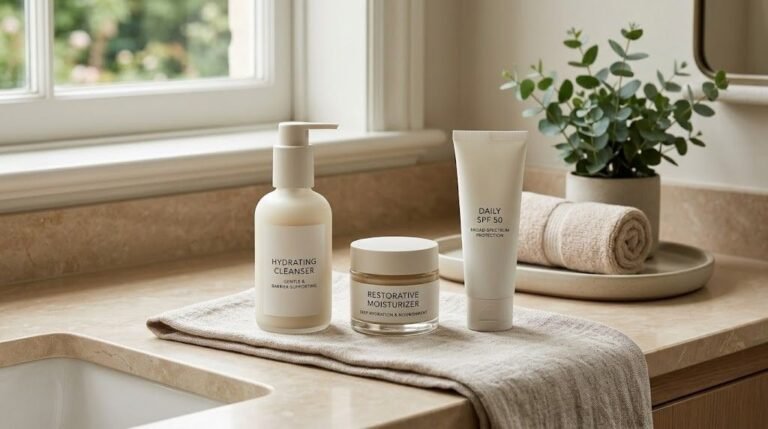
Start with your cleanser, using a gentle pH-balanced formula that removes overnight residue without stripping your barrier. Apply your ferulic acid serum to clean, dry skin and allow 60 to 90 seconds for it to fully absorb before layering anything on top. This waiting period is important because Vitamin C and ferulic acid both need direct contact with your skin to penetrate effectively. Follow with your moisturizer to lock in the actives and support barrier function, then finish with broad spectrum SPF 30 or higher as your final step. SPF is non-negotiable, ferulic acid enhances UV defense but is not a substitute for sunscreen.
Compatible Pairings
Ferulic acid pairs beautifully with niacinamide for targeting hyperpigmentation, collagen peptides for firmness, and hyaluronic acid for hydration. You can use all of these in your morning routine without conflict. Avoid layering directly with benzoyl peroxide, which can oxidize the formula and deactivate the active ingredients, rendering your expensive serum useless. If you use benzoyl peroxide for acne, apply it at night and reserve your ferulic acid serum for mornings only.
How to Use Ferulic Acid Serum Step by Step
A systematic daily process ensures you get the maximum therapeutic benefit from your clinically proven skincare investment.
Step 1: Cleanse
Use a gentle, pH-balanced cleanser to remove any overnight buildup, natural oils, or residue from your pillowcase without stripping your skin barrier. Pat your face dry with a clean towel, don’t rub, as aggressive friction can create micro-irritation that interferes with product absorption. Your skin should be completely dry before you apply your serum, as water dilutes the concentration and raises the pH, reducing effectiveness.
Step 2: Apply Ferulic Acid Serum
Dispense 3 to 5 drops of your serum onto your fingertips, depending on the specific product’s instructions. Press the serum gently into your skin starting from the center of your face and working outward, covering your forehead, cheeks, nose, chin, and neck. Don’t forget your neck and décolletage, as these areas show aging just as visibly as your face but often get neglected. Allow a full 60 to 90 seconds for the serum to absorb before moving to the next step, this waiting period matters for penetration depth.
Step 3: Moisturize
Apply a hydrating moisturizer suited to your skin type to seal in the serum and support your skin barrier function. Peptide-rich formulas work especially well with ferulic acid because they address skin renewal from a complementary angle. Ceramide-based moisturizers are excellent for dry or sensitive mature skin experiencing barrier thinning. The moisturizer creates an occlusive layer that prevents the water-soluble actives in your serum from evaporating before they can penetrate fully.
Step 4: Apply SPF
Finish with a broad spectrum SPF 30 or higher as your final morning step. Research confirms that ferulic acid combined with Vitamins C and E provides eight times the photoprotection of untreated skin, but this is additive to sunscreen, not a replacement for it. Your antioxidant serum works during the hours between application and sun exposure, while your SPF provides the physical and chemical UV filters that block radiation from penetrating in the first place. Both are essential.
Step 5: Consistency Is the Active Ingredient
Results are cumulative, not immediate. Commit to daily morning use for a minimum of 60 to 90 days before evaluating the full impact on dark spots, texture, and firmness. Clinical studies measuring improvement in mature skin typically assess outcomes at the three-month mark because that’s when structural changes in collagen, melanin distribution, and barrier function become statistically measurable. Keep a dated before photo to track subtle changes that you might not notice day to day.
Long-Term Skin Strategy with Ferulic Acid
For women over 30, building a sustainable anti-aging routine means thinking in terms of years and decades, not weeks.
Antioxidant Defense as a Daily Non-Negotiable
Just as you wouldn’t skip SPF on a sunny day, you shouldn’t skip your antioxidant serum on days when you’ll face environmental aggressors like pollution protection needs, UV exposure, or even blue light from screens. Ferulic acid provides a baseline level of cellular defense that compounds over time, much like daily exercise builds cardiovascular fitness gradually rather than overnight. Think of it as a foundational habit, not an optional treatment you use only when your skin looks dull.
Pairing with a Complete Anti-Aging Routine
For maximum skin repair and prevention results, ferulic acid works best as part of a layered strategy that addresses multiple aging mechanisms simultaneously. Use antioxidants in the morning for defense, including your ferulic acid serum under SPF. Reserve your evening routine for cell renewal actives like retinol or retinal, which accelerate surface turnover and stimulate deeper collagen production. Add consistent hydration through hyaluronic acid or ceramides, and you’ve built a comprehensive routine that targets every major pathway of skin aging.
Protecting Your Investment in Other Treatments
If you’re investing in professional treatments like chemical peels, laser resurfacing, or microneedling, using a ferulic acid serum during recovery and maintenance phases supports and prolongs your results. These procedures intentionally create controlled damage to stimulate repair, but that newly revealed skin is extremely vulnerable to free radical attack and sun damage in the weeks following treatment. Your antioxidant serum defends that fresh, repaired skin from immediate re-damage, helping you maintain the improvements longer.
Common Mistakes to Avoid
Even the best products won’t deliver results if you use them incorrectly or store them improperly.
- Skipping SPF after applying your ferulic acid serum negates a significant portion of its protective benefit, as UV damage will continue to generate free radicals faster than the antioxidants can neutralize them
- Storing your serum in bright or warm areas like a sunny bathroom windowsill causes the formula to oxidize before you finish the bottle, turning it ineffective and potentially irritating
- Using an oxidized serum that has turned orange or brown means the Vitamin C has degraded and the formula has lost efficacy, you should discard it rather than continue applying it
- Expecting overnight results when clinical improvements in dark spots and firmness require 60 to 90 days or more of consistent daily use, patience is essential
- Layering your ferulic acid serum directly with benzoyl peroxide deactivates the antioxidant formula through oxidation, use them at different times of day if both are necessary
- Choosing a formula without stable packaging like dark bottle packaging or an airless pump means you’ll lose potency within weeks of opening, even if the product started out effective
How Ferulic Acid Fits Your Complete Skincare Routine
A dermatologist-approved approach to mature skin integrates multiple complementary strategies rather than relying on any single product to solve everything.
Ferulic acid serum serves as your primary antioxidant defense in the morning, working in concert with broad spectrum SPF to protect against UV damage and environmental aggressors throughout the day. In the evening, retinol or prescription retinoids take over the cell renewal and collagen stimulation role, addressing aging from a different mechanism. Peptides, niacinamide, and ceramides fill supporting roles by strengthening your barrier, calming inflammation, and providing targeted repair. Professional treatments like peels, lasers, or microneedling create periodic intensive interventions, while your daily routine maintains and protects the results. This layered, multi-mechanism approach delivers visible, cumulative results that single-product routines simply cannot match, especially for skin over 30 that needs both aggressive defense and active repair. Understanding how each element works together helps you build a routine that actually performs rather than just accumulating products.
Frequently Asked Questions About Ferulic Acid Serum
Q: What does ferulic acid do for skin?
A: Ferulic acid neutralizes free radicals that cause visible aging, inhibits the enzymes that degrade collagen, reduces hyperpigmentation by limiting melanin oxidation, and amplifies the performance of Vitamins C and E. It works at the cellular level to both defend existing skin structure and promote new collagen and hyaluronic acid production.
Q: When should I apply ferulic acid serum?
A: Morning application before moisturizer and SPF is ideal because ferulic acid’s primary function is antioxidant defense against daytime environmental aggressors like UV radiation and pollution. Most dermatologists recommend reserving your evening routine for retinol or AHAs that work best without sun exposure.
Q: Can ferulic acid fade dark spots?
A: Yes, clinical trials confirm measurable reduction in melanin index when ferulic acid is combined with Vitamins C and E. A 2026 double-blinded study showed significantly greater hyperpigmentation improvement with the trio compared to Vitamin C alone. Consistent use for 60 to 90 days combined with daily SPF delivers the best dark spot fading results.
Q: Is ferulic acid safe for sensitive skin?
A: Yes, ferulic acid is generally well-tolerated by most skin types, including sensitive and rosacea-prone skin. Choose fragrance-free formulas with a lower Vitamin C concentration, around 10% rather than 20%, to minimize potential irritation. The anti-inflammatory properties of ferulic acid can actually help reduce redness and calm reactive skin when formulated correctly.
Q: How long before I see results from ferulic acid serum?
A: Radiance and skin tone improvements can appear within a few weeks as oxidative dullness clears, but measurable changes in dark spots, fine lines, and firmness typically require 60 to 90 days of consistent daily use. Clinical studies on mature women assess outcomes at the three-month mark because structural changes in collagen and melanin distribution take time to become visible.
Q: Do I still need sunscreen if I use ferulic acid serum?
A: Absolutely, ferulic acid enhances your skin’s UV defense and provides measurable photoprotection, but it is not a sunscreen replacement. SPF 30 or higher is essential every morning, applied as your final step after the serum and moisturizer. The antioxidant and sunscreen work synergistically to provide protection neither can deliver alone.
Final Thoughts
Ferulic acid serum has earned its reputation as the MVP for mature skin by addressing the core mechanisms of aging at the cellular level, from neutralizing free radicals and protecting collagen to fading hyperpigmentation and calming chronic inflammation. For women over 30 facing the compounding effects of decades of UV exposure, slowing collagen production, and thinning barrier function, this science-backed ingredient delivers measurable improvements that go far beyond surface-level cosmetic changes. The clinical evidence supporting its effectiveness, combined with dermatologist consensus placing it among the top five anti-aging actives, makes it a foundational element of any serious skincare routine rather than an optional luxury.
The long-term compounding benefits of consistent antioxidant use cannot be overstated. Daily application of a ferulic acid serum doesn’t just address existing damage, it actively defends your skin against the environmental aggressors that would otherwise accelerate future aging. Think of it as a daily investment in skin health and confidence that pays dividends for years to come, protecting the structural integrity you still have while supporting your skin’s natural repair processes.
Discover more from The Harpy Nest
Subscribe to get the latest posts sent to your email.