

What I Wish I Knew About Skincare at 30 (20 Years of Lessons)
This post contains affiliate links. If you buy through them, I may earn a small commission — at no extra cost to you.
Here’s the thing nobody tells you: your skin is not a problem to be solved. It’s a conversation. And for most of my twenties, I wasn’t listening.
My mother wasn’t exactly my skincare sensei. Her routine felt like something out of a Cold War time capsule — Pond’s Cold Cream and good intentions — so naturally, I rebelled. I figured out everything I know by stumbling into it, having products thrust at me by well-meaning friends, or making expensive mistakes I couldn’t return. Twenty years later, I have opinions. Strong ones. Pull up a chair.
The Makeup Trap I Fell Into (And Stayed In Too Long)
Nobody told me that makeup was supposed to be the secondary relationship. Skin was the main event. I genuinely did not know this. Every friend I had wore makeup like it was a second skin — some of them literally wouldn’t leave the house without their “face on,” which, by the way, made them chronically late to everything and absolutely ruined my patience. My relationship with makeup has always been complicated for exactly this reason.
My mother didn’t wear much of it, so there was nothing to teach. I actually asked my stepmother to show me how to apply it — she was good, the kind of good where you watched her do a cat eye and questioned your entire life — and she told me no. Said that was my mother’s job. Well. Okay then.
So my friends taught me what they knew. Which, bless their hearts, wasn’t much. We were teenagers. Nobody knew what they were doing. And what they were doing didn’t look right on me anyway. I didn’t want a mask. I wanted to look like myself, just the polished, unbothered version. Turns out, you can’t get there with foundation if the skin underneath is staging a protest.

The One Thing My Mother Got Right
Wash your face.
That’s it. That’s the whole inheritance. She didn’t get me into Pond’s — I had exactly zero interest in a cold cream that smelled like my grandmother’s bathroom — but she gave me the habit, and the habit saved me. Teenage me marched down to Walgreens on a mission. I was not going to surrender to the acne that had decided my forehead was its permanent residence.
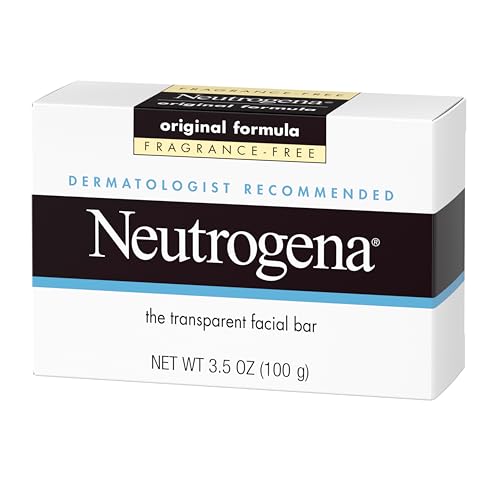
My first weapon of choice wasn’t even a wash. It was the Neutrogena Original Facial Cleansing Bar. That pale orange rectangle that smells faintly medicinal and works like it means it. I used it religiously, and my skin responded. Not overnight — nothing ever works overnight, and anyone telling you otherwise is selling something — but within a few weeks, things were calmer. Less volcanic. I still keep one in my shower rotation today, which should tell you everything.
What Sunscreen-Skipping Actually Costs You
Spoiler: everything. The fine lines you’re blaming on stress? Genetics? Sleeping wrong? At least half of that is sun damage you were accruing while thinking sunscreen was optional. I know this because I was that person, and month four of adding a daily SPF to my routine, I looked at my skin in good natural light and thought: oh. Oh.
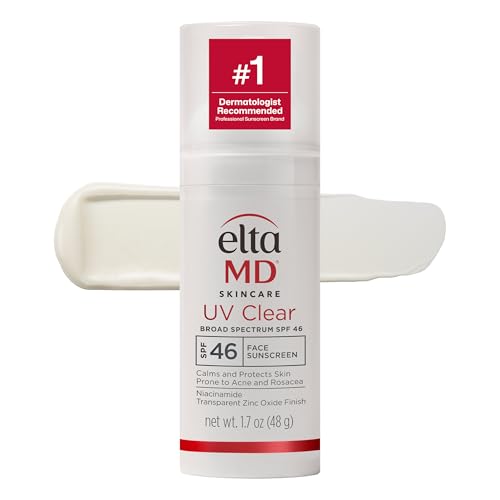
The non-negotiable for me now is the EltaMD UV Clear Broad-Spectrum SPF 46. It’s formulated for acne-prone and sensitive skin, which means it doesn’t sit on your face like a confused houseguest who doesn’t know when to leave. It’s lightweight, it layers beautifully under makeup, and it contains niacinamide, which is doing extra credit work on redness while it’s protecting you from the sun. Yes, it’s $37. Yes, it’s worth every cent. Your future face will send you a thank-you note.

Your Skin Will Tell You What It Needs — If You Stop Yelling at It
Here’s the mistake I made for an embarrassing number of years: treating my skin like it needed to be disciplined. Harsh scrubs. Stripping cleansers. Piling on actives because more is more, right? Wrong. So wrong. My skin got drier than the Sahara in the spots that were already dry and somehow oilier in the places that didn’t need any help. Combination skin is not a problem. It’s just skin that requires a little more attention and zero punishment.
The environment plays a bigger role than anyone gives it credit for. What kept my skin perfectly balanced through a New England winter — the kind where the air outside is trying to take everything from you — made me an oily, congested mess the summer I spent in Georgia. Same products. Completely different results. That’s not failure. That’s information. Pay attention to it.
Owning multiple products is not a character flaw. It is not excessive. If your skin behaves differently on your cheeks than it does on your T-zone, you are allowed — encouraged, even — to address them differently. I keep a richer moisturizer for the dry patches and a lighter gel formula for everywhere else. Problem solved.
The Moisturizer Situation
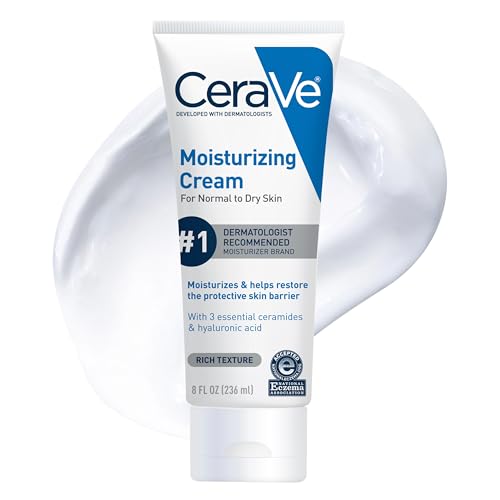
For the dry-to-normal crowd, CeraVe Moisturizing Cream is the one I’ve been recommending to everyone for years. It has ceramides to repair your skin barrier, hyaluronic acid to pull in moisture, and it’s fragrance-free, which matters more than most people realize until they’ve irritated their face with something that smelled like a fancy candle. The tub lasts forever and costs less than your last cocktail. Use it morning and night.
CeraVe Moisturizing Cream | Amazon
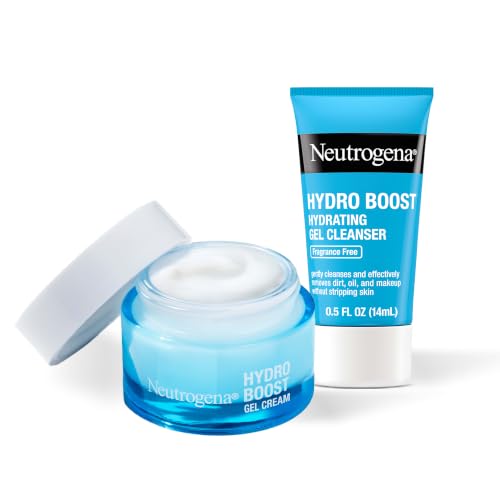
If you run oilier, the Neutrogena Hydro Boost Water Gel is your better match. It hydrates like a real moisturizer but feels like nothing on your skin, which is exactly the point. I use this one in summer or when my skin is throwing a fit about something.
The Retinol Conversation You Should Have Started Last Year
If you’re over 30 and not using a retinol, start now. Not aggressively — this is not a “use it every night from day one and wonder why your face is peeling” situation. Two nights a week. Three drops. Let your skin adjust over about six weeks before you think about increasing frequency. Retinol is the long game and it rewards patience.
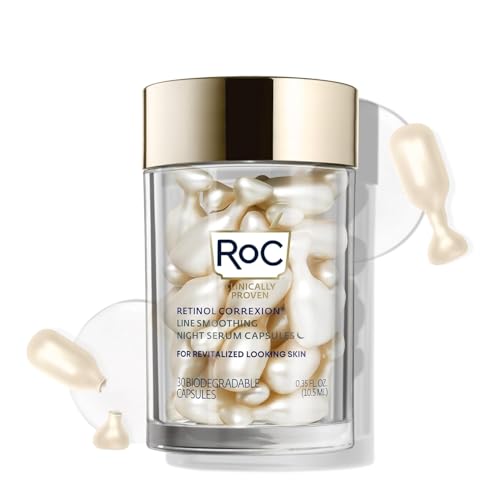
The RoC Retinol Correxion Line Smoothing Serum is where I’d tell a beginner to start. It’s drugstore priced, it’s encapsulated retinol so it’s gentler than most, and after three months of consistent use, the difference in texture and fine lines is genuinely visible. This isn’t marketing copy. I watched it happen on my own face.
RoC Retinol Correxion Serum | Amazon
Always — always — follow retinol with moisturizer. And wear your sunscreen in the morning. Retinol makes your skin more sun-sensitive, and you are not doing all this work just to undo it on your lunch break.
The Routine That Actually Works
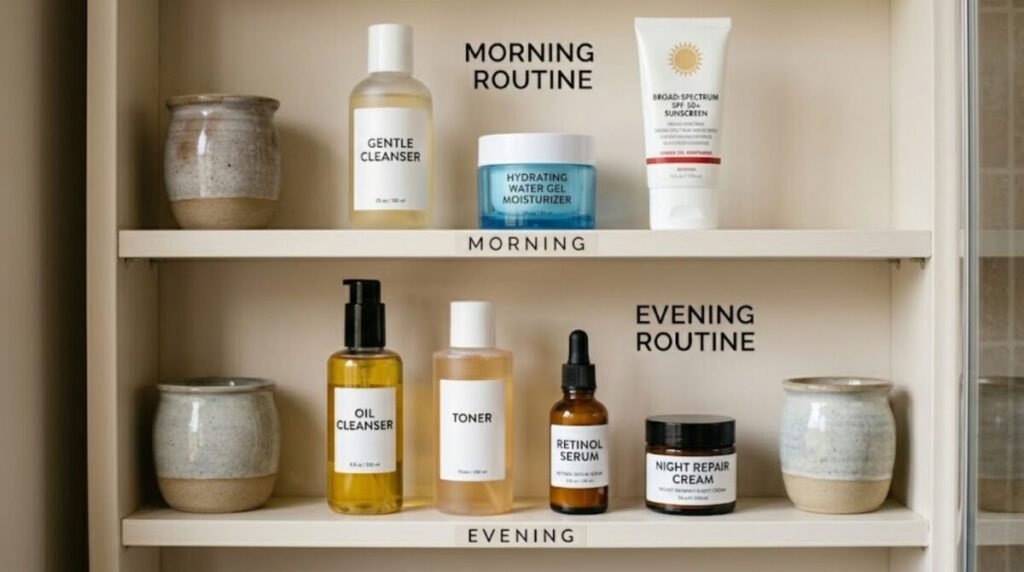
Consistency beats perfection every single time. You don’t need a ten-step routine. You need a routine you will actually do. For me, that’s:
Morning: Gentle cleanser, SPF 46, done. Maybe a vitamin C serum if I’m feeling ambitious.
Evening: Cleanse again, retinol two or three nights a week, moisturizer every night.
That’s it. Twenty years of experimentation have brought me back to the basics, executed reliably. Your skin doesn’t need to be conquered. It needs to be listened to, protected from the sun, and washed at night. Pick something good, stick with it long enough to see results, and trust the process — even when month two feels exactly like month one.
The payoff isn’t dramatic. It’s quiet. It’s looking in the mirror at 50 and thinking: yeah, I took care of that.
SHOP THIS POST
Discover more from The Harpy Nest
Subscribe to get the latest posts sent to your email.