
When Your Skin Suddenly Hates Everything: The Sensitivity Reset Nobody Talks About
This post contains affiliate links. If you buy through them, I may earn a small commission — at no extra cost to you.
My entire skincare shelf betrayed me in one week.
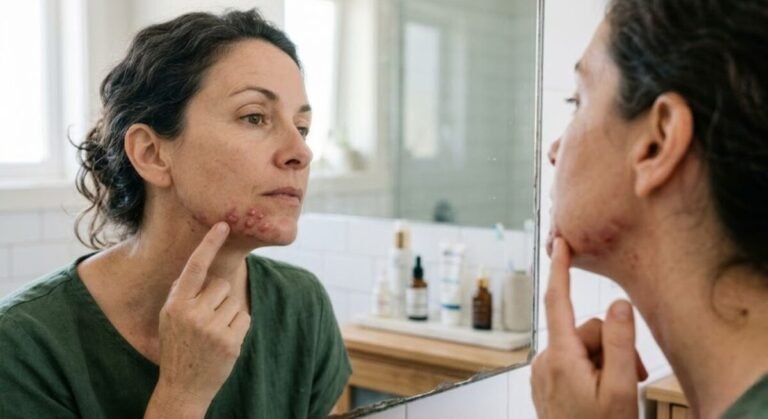
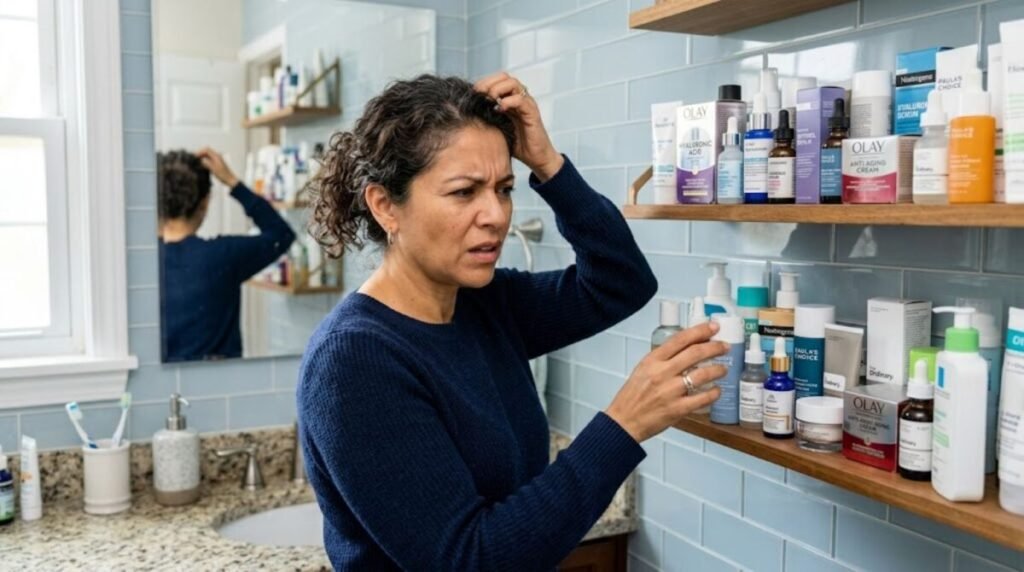
Not gradually. Not with warnings. One Tuesday my retinol was fine. By Friday it felt like I’d applied battery acid. The toner I’d used for two years — gone. The serum I’d championed to anyone who would listen, suddenly making my face itch in a way that had me genuinely questioning whether I was having an allergic reaction or losing my mind. If you’re experiencing sudden skin sensitivity over 40, you are not imagining it, and you are not alone in standing in your bathroom staring at a shelf full of products that used to work and now feel like a personal insult.
Your Skin Didn’t Become Sensitive — It Lost Tolerance
Here’s the reframe that changed everything for me: there’s a meaningful difference between being a sensitive skin type and losing tolerance you previously had.
If you’ve never had sensitive skin in your life, if you’ve layered actives with abandon, used fragrance without consequence, and exfoliated freely for two decades, and your skin is suddenly reactive, you did not wake up with a new skin type. What happened is that your skin’s acquired tolerance eroded. The threshold your skin maintained, the one that let it absorb everything you threw at it without protest, dropped. And when it dropped below a certain point, everything that was previously fine crossed the line into too much.
This isn’t a character flaw. It’s not poor skincare choices finally catching up with you. It’s physiology. Specifically the kind that hits when your skin becomes sensitive in your 40s for reasons your body was quietly orchestrating long before your face started misbehaving. Understanding this matters because it changes what you do next. You’re not building a new routine from scratch. You’re restoring capacity.
So What Actually Changed?
The Hormonal Piece
Why does skin suddenly become sensitive in perimenopause? Because estrogen, which had been quietly doing about forty things for your skin simultaneously, started fluctuating wildly before its eventual decline.
Estrogen isn’t just a reproductive hormone. It’s a skin hormone. It governs sebum production, collagen synthesis, hydration retention, and, critically, the skin’s inflammatory response. When estrogen levels are stable, your skin’s immune system is relatively calm. When estrogen starts swinging, as it does throughout perimenopause in unpredictable peaks and crashes rather than a clean linear decline, your skin’s inflammatory response becomes destabilized. It starts reacting to things it previously ignored.
Skin suddenly reactive in menopause isn’t a coincidence or a metaphor. It’s a documented physiological phenomenon. The perimenopause skin changes are distinct from post-menopausal changes precisely because the fluctuation itself, not just the drop, is the destabilizing factor. Some days your estrogen is relatively high and your skin is fine. Some days it crashes and your face is on fire. Both days, you used the same products.
→More on this in: The Peri Paradox — why perimenopause skin is its own category
The Barrier Piece
Here’s what nobody quite says clearly enough: the barrier collapse rarely feels sudden because it happened suddenly. It feels sudden because you finally crossed a threshold.
Estrogen decline compromises the skin barrier directly. It reduces ceramide production, slows cell turnover in ways that weaken rather than calm the skin, and decreases the lipids that keep the barrier intact. Add years of acid exfoliation, retinoid use, and active-stacking; all habits that made complete sense when your barrier was robust, and what you have is a structure that’s been quietly thinning. The collapse isn’t the event. The consequences are.
Why Your Old Routine Is Now the Problem
This is the section I wish someone had handed me before I spent three weeks troubleshooting products instead of behaviors.
The retinol you’ve been using three nights a week served you beautifully for years. But retinoids increase cellular turnover and can compromise barrier integrity during hormonal fluctuation, and right now, your barrier has no reserves. The glycolic acid toner that kept your texture smooth is doing the same thing. The vitamin C serum that your dermatologist swore by contains a pH and a concentration your compromised barrier can no longer process without triggering a reaction. The face wash you’ve used forever has fragrance in it, it always did, and it was always fine, until it wasn’t.
Meanwhile, you’ve been cleansing after the gym with that same face wash, double-cleansing a barrier that’s already asking you to stop. Your skin is not broken. It’s overstimulated. When everything irritates your skin at once, the answer is almost never to find a better product. It’s to use fewer of them. Your old routine isn’t failing you because it was wrong. It’s failing you because the skin it was designed for has changed, and nobody told you to change with it.
How Do I Reset Reactive Skin? The Sensitivity Reset Framework
The goal isn’t to find one perfect routine and execute it with military precision. The goal is to build a toolkit and get good at listening.
What works on Monday may not be what your skin is asking for on Thursday. That’s not chaos. That’s paying attention. A sensitivity reset means accepting that for now, your routine is less a fixed sequence and more a flexible response. You might need a richer cleanser when your skin is dry and reactive, and a lighter one after a sweaty workout. You might need two moisturizers depending on what your face communicates when you touch it. None of this is high-maintenance. It’s intelligent tending. And it starts with stripping everything back.
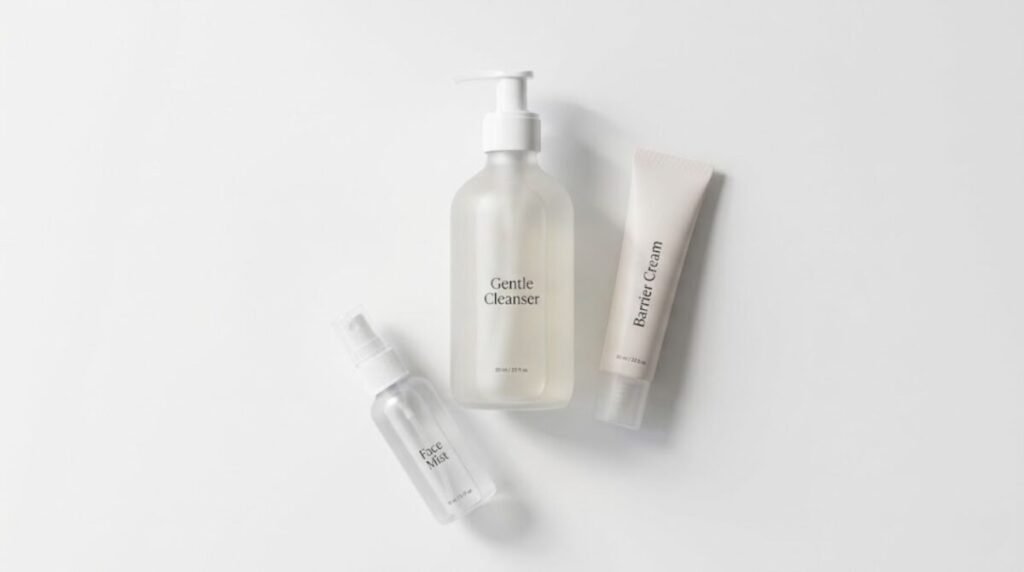
Step 1 — Strip Back to the Non-Negotiables
Cleanser. Moisture. SPF. That’s the whole routine, and I mean that.
No acids. No retinoids. No vitamin C. Nothing that does anything other than clean your face gently, replenish what it lost, and protect it from UV damage that will make every other problem worse. This is a full stop. Not a permanent downgrade, just a tactical pause while your skin’s threshold recovers. The instinct will be to troubleshoot at the product level. Resist it.
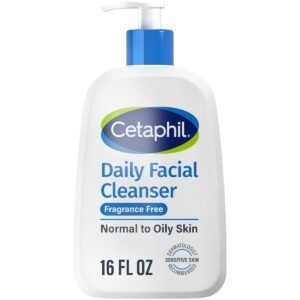
I keep two cleansers on the shelf by design. The La Roche-Posay Toleriane Hydrating Gentle Face Cleanser is my default: milky, non-stripping, and leaves my skin feeling tended rather than processed. On post-gym days, or when my skin feels more congested, the Cetaphil Daily Facial Cleanser does the job without drama. Having more than one cleanser isn’t excessive. It’s responsive.
Step 2 — Repair the Barrier Before You Do Anything Else
If your barrier is compromised, and if you’re in the middle of a sensitivity crisis, it is the single most important thing you can do is stop removing its defenses and start rebuilding them. Ceramides are the structural component your barrier uses to maintain integrity. Estrogen decline reduces ceramide synthesis. This is the gap you’re filling.
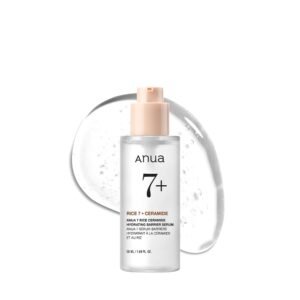
The CeraVe PM Facial Moisturizing Lotion is my nighttime anchor during a reset: ceramides, hyaluronic acid, and niacinamide, which calms redness and supports barrier function without demanding anything from your skin. It’s unglamorous and I love it unreservedly. The Anua Rice Ceramide 7 Hydrating Barrier Serum goes on underneath: lightweight enough not to feel like a burden, substantive enough to actually do something. When things are genuinely angry, I reach for the Avène Cicalfate+ Intensive Restorative Serum. Avène’s thermal spring water has a documented calming effect on compromised skin, and this serum is what I think of as my skin’s emergency contact.
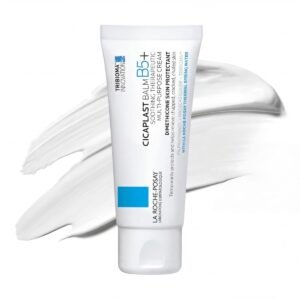
For localized repair, a raw spot, an area that won’t settle, anything that needs more than a layer of moisturizer: the La Roche-Posay Cicaplast Balm B5 is the answer. Thick, protective, and completely indifferent to what your skin is doing. It just gets to work.
Step 3 — Calm the Inflammation in Real Time
Barrier repair happens while you sleep and over days. But inflammation can spike in the middle of a Tuesday, and you need tools for that.
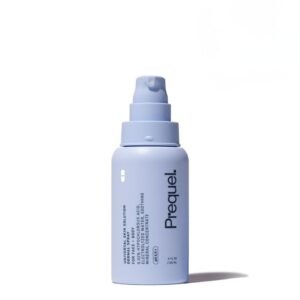
The Tower 28 SOS Daily Rescue Facial Spray is hypochlorous acid (the same compound your body produces to calm inflammation and fight bacteria) in a fine mist you can use throughout the day. It’s non-negotiable at the gym, at my desk when my face starts to itch, and anytime I notice my skin heating up in that particular way that precedes a reaction. The Prequel Skin Universal Skin Solution Hypochlorous Acid Spray serves the same essential purpose. I keep one in my bag and one at home. The critical function of both: something to do when your skin signals distress that isn’t touching your face or adding more product.
The Torriden BALANCEFUL Toner Pad earns its place during the calmer end of a reset. For when your skin has stabilized enough to accept a gentle hydrating step but you still don’t want anything that requires risk. It’s hydration, not treatment. That’s exactly the point.
Step 4 — Rethink Your Moisturizer Strategy
One moisturizer for all occasions is a concept from a time when your skin behaved consistently. That time may be temporarily behind you.
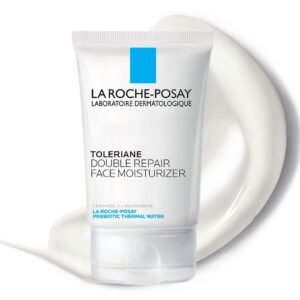
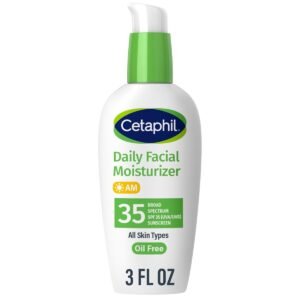
I rotate three. TheLa Roche-Posay Toleriane Double Repair Face Moisturizer is my richer option. The one I reach for when my skin feels tight, thin, or fragile. The Neutrogena Hydro Boost Water Cream goes on when my skin needs hydration without weight, not in crisis, but not comfortable either. And the Cetaphil Face Moisturizer with SPF 35 handles daytime when I need moisture and sun protection consolidated into one step, because sometimes the number of steps is itself the problem. None of these replace each other. They fill different conditions in the same toolbox.
Step 5 — Remember That Your Underarms Are Skin Too
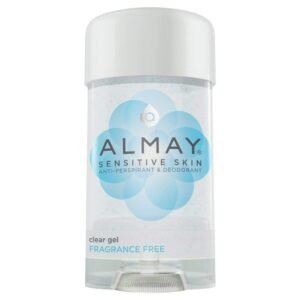
If you’re dealing with reactive, compromised skin, and like me, your armpit skin is part of this equation. Most conventional antiperspirants contain fragrance and alcohol, both of which have no business near inflamed skin. The Almay Deodorant for Women Gel Antiperspirant is fragrance-free, aluminum-based for actual sweat control, and doesn’t behave like a provocation. It’s a small thing. It adds up. It literally saved my life.
The Key Takeaway
Your skin didn’t fail you and you didn’t fail your skin. A sensitivity reset isn’t about finding your new forever routine. It’s about creating a pause long enough for your barrier to stop screaming, and building a toolkit flexible enough to respond to what your skin actually needs rather than what you decided it should need. Some days that’s richer. Some days that’s lighter. Some days it’s a calming spray and a lot of restraint. The work is in the listening, and in being willing to have more than one answer on the shelf.
You can go back to your actives. Most of us do, eventually, when our skin has rebuilt enough tolerance to handle them again. But right now, less is not giving up. Less is the work.
SHOP THIS POST
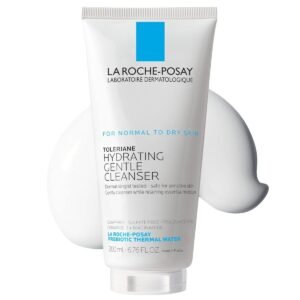
La Roche-Posay Toleriane Hydrating Gentle Face Cleanser | Amazon | Milky, non-stripping, and leaves skin feeling tended — my default cleanser during any reset phase.
Cetaphil Face Wash, Daily Facial Cleanser for Sensitive Combination to Oily Skin | Amazon | The lighter, post-gym option — cleans without drama on the days your skin can handle something slightly more clarifying.
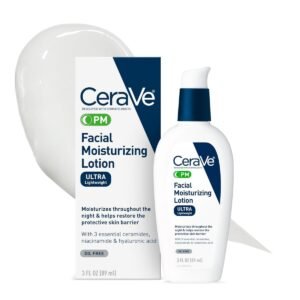
CeraVe PM Facial Moisturizing Lotion | Amazon | Ceramides, niacinamide, hyaluronic acid. Unglamorous and essential. My nighttime barrier anchor.
Anua Rice Ceramide 7 Hydrating Barrier Serum | Amazon | Lightweight barrier serum that actually delivers — goes under moisturizer and earns every layer.
Version 1.0.0
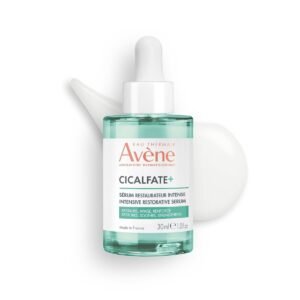
Avène Cicalfate+ Intensive Restorative Serum | Amazon | The emergency contact. For genuinely angry, reactive skin days when you need real intervention.
La Roche-Posay Cicaplast Balm B5 | Amazon | Targeted rescue balm for raw spots and areas that need more than a layer of moisturizer — thick, protective, relentless.
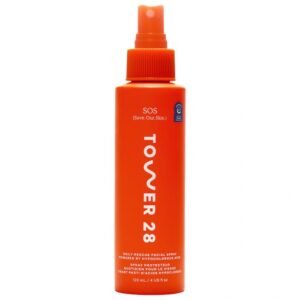
Tower 28 SOS Daily Rescue Facial Spray | Amazon | Hypochlorous acid mist for real-time inflammation. Keep one at your desk, one at the gym.
Prequel Skin Universal Skin Solution Hypochlorous Acid Spray | Amazon | Same hypochlorous function as Tower 28, slightly different formula — this one lives in my bag.
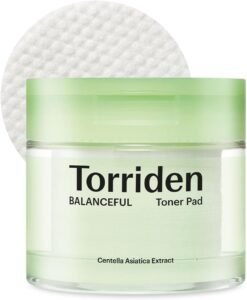
Torriden BALANCEFUL Toner Pad | Amazon | Gentle hydration with zero demands on your skin — for the stabilizing phase of a reset, when you can tolerate a step but not a treatment.
La Roche-Posay Toleriane Double Repair Face Moisturizer | Amazon | The richer moisturizer — reach for it when your skin feels thin, tight, or fragile and needs actual protection.
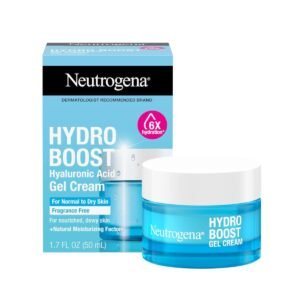
Neutrogena Hydro Boost Water Cream | Amazon | The lighter moisturizer — hydration without weight for the not-in-crisis-but-not-comfortable skin days.
Cetaphil Face Moisturizer, Daily Oil Free Facial Moisturizer with SPF 35 | Amazon | Daytime moisture plus sun protection in one step — sometimes consolidating is the whole point.
Version 1.0.0
Almay Deodorant for Women, Gel Antiperspirant | Amazon | Fragrance-free, actually controls sweat, and won’t antagonize already-reactive skin.
Discover more from The Harpy Nest
Subscribe to get the latest posts sent to your email.