
Best SPF 50+ Sunscreens for Women Over 40
This post contains affiliate links. If you buy through them, I may earn a small commission — at no extra cost to you.
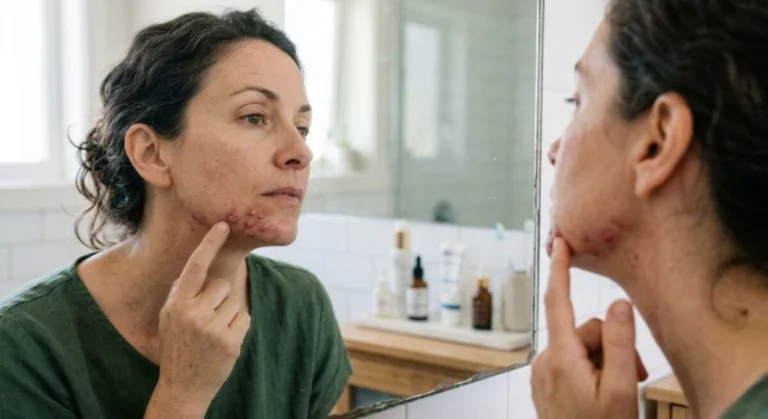
You find a sunscreen you like, use it for years, and then one day you look in the mirror and realize something has shifted. The skin that used to bounce back from a long weekend now holds onto every shadow. The dark spots that weren’t there in your late thirties have quietly multiplied. And the sunscreen sitting on your bathroom shelf? It might be SPF 30, might be lightweight, might be doing the bare minimum while your skin needs something entirely different.
Sunscreen over 40 is not the same conversation it was in your twenties. Your skin is thinner, your moisture barrier is less resilient, and accumulated UV damage means every unprotected day costs more than it used to. The good news is that the right SPF 50+ broad-spectrum formula can do serious heavy lifting, protecting collagen while hydrating, brightening, and addressing pigmentation in a single step. What follows is a tested breakdown of the best options available, organized by what your skin actually needs right now.
Key Takeaways
- What this covers: Broad-spectrum SPF 50+ sunscreens with active skincare ingredients like hyaluronic acid, niacinamide, and vitamin C, tested specifically for mature skin.
- Who it’s for: Women 40+ who want daily face sunscreen that hydrates, brightens, and prevents further photoaging without white cast or heavy texture.
- What affects cost: Brand tier (drugstore vs. premium), ingredient complexity, texture format (gel, cream, serum, tinted), and bottle size.
- How we test: Every product is tested by women 40+ under everyday conditions, including commuting, working from home, outdoor errands, and makeup layering. All affiliate relationships are disclosed.
- Process timeline: Hydration is immediate; brightening builds over 2 to 4 weeks of daily use.
- How to start: Scroll to The Harpy Nest Top 15 SPFs for Mature Skin, pick the category that fits your skin concern, and click through to purchase via our disclosed affiliate links.
Why Your SPF Routine Needs to Change After 40
Most women arrive at the same uncomfortable realization: they have been using the same sunscreen since their early thirties, and it is no longer doing enough. Research from the Skin Cancer Foundation consistently shows that daily broad-spectrum SPF is the single most effective tool for preventing visible aging, yet most women either skip it, underapply it, or use a formula that was never designed for mature skin.
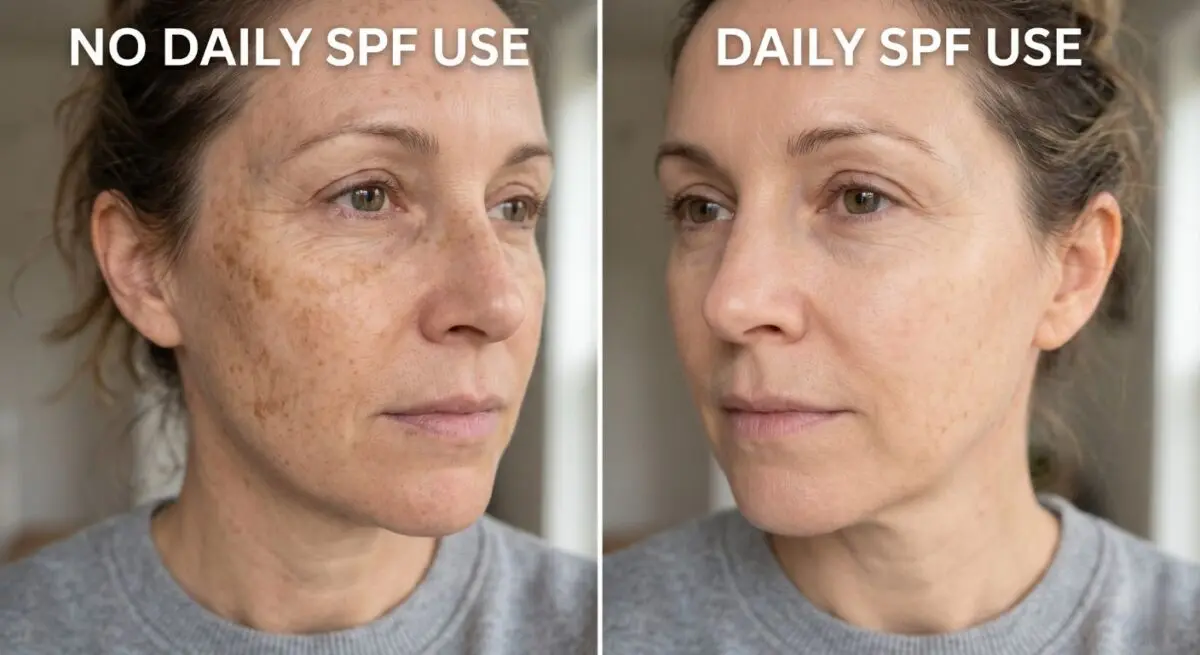
After 40, your skin undergoes real structural changes that affect how UV damage accumulates. Collagen and elastin degrade naturally with age, and UV exposure accelerates that process significantly. Photoaging accounts for up to 80% of visible facial aging, which means fine lines, age spots, and uneven tone are not primarily genetic outcomes. They are sun damage outcomes. And while you cannot reverse years of accumulated exposure overnight, you can absolutely stop adding to it.
UVA protection deserves specific attention here. UVA rays penetrate deeper into the skin than UVB, pass through glass, and are present year-round regardless of cloud cover or season. They are the primary driver of aging-related sun damage, including the collagen breakdown and hyperpigmentation that women over 40 are most concerned about. Many older formulas, and plenty of current ones, underperform on UVA coverage even while displaying a high SPF number. On the label, look for “broad-spectrum,” “PA++++,” or a “UVA” symbol inside a circle.
A thinner moisture barrier also means dryness is more pronounced after 40. Higher hyperpigmentation risk means dark spots are harder to fade once they appear. And a duller complexion means you need SPF that actively works with your skin, not just sits on top of it. The best sunscreen for mature skin pulls double duty: broad-spectrum protection plus ingredients that hydrate, brighten, and support collagen repair at the same time.
SPF 50 vs. SPF 30: Why the Difference Matters for Mature Skin
Many women consider SPF 30 to be “close enough,” particularly if they have used it for years without visible burns. The math tells a different story for skin that has already accumulated damage over decades.
SPF 30 blocks approximately 97% of UVB rays, leaving 3% to reach the skin. SPF 50 blocks approximately 98%, leaving 1%. That single percentage point sounds small until you consider what those unblocked rays are doing to already-thinning skin on a daily basis. Over months and years of daily exposure, the gap between 97% and 98% protection becomes genuinely significant for preventing irreversible photoaging. SPF 50 is the sweet spot dermatologists recommend for mature skin. Going higher than SPF 50 offers diminishing returns, and SPF 100 blocks only 99% of UVB rays, a barely measurable improvement in real-world use.
What to Look For in Sunscreen Over 40
Before you spend money on any formula, run it through two filters: minimum requirements and skincare-active ingredients. A sunscreen that meets only the first will protect you but not do much else.
On the non-negotiable side, you need SPF 50+ that is genuinely broad-spectrum, leaves no white cast across all skin tones, and is non-comedogenic. Even mature skin can be breakout-prone, and pore-clogging SPF is a problem at any age. Water resistance of at least 40 minutes is worth having if you sweat, live in a humid climate, or exercise outdoors.
The second filter is where formulas separate themselves. As dermatologist Dr. Sophie Momen notes, the best sunscreens for mature skin include moisturizing ingredients like shea butter and hyaluronic acid, along with brightening agents like niacinamide. The specific ingredients that make daily sunscreen work harder for skin over 40 include hyaluronic acid, which plumps skin and minimizes fine lines through moisture retention; niacinamide, which calms redness and evens tone over time; vitamin C, which fades existing sun spots and provides antioxidant protection; vitamin E, which protects the moisture barrier and amplifies vitamin C’s antioxidant benefits; shea butter for deep moisture without greasiness; peptides, which support barrier function and skin repair; and salicylic acid for acne-prone mature skin that needs clear pores without moisture loss.
The Harpy Nest Top 15 SPFs for Mature Skin
Every product below was tested by women 40+ in everyday conditions: commuting, working from home, outdoor errands, and makeup layering. All affiliate links are disclosed. No brand paid for placement.
Best Overall SPF Over 40
La Roche-Posay Anthelios Age Correct / UVMune 400 Hydrating Suncream SPF 50+
| Detail | Info |
|---|---|
| SPF | 50+ |
| Key Ingredients | Hyaluronic acid, niacinamide |
| Texture | Lightweight, silky, fast-sinking |
| Finish | Natural, non-greasy, makeup-friendly |
| Best For | Sensitive skin, dry-to-normal skin, daily wear |
If you only buy one sunscreen this year, this is the one. La Roche-Posay’s Anthelios range has earned its global dermatologist reputation honestly: the formula disappears into skin without a trace, acts as a moisturizer on its own, and delivers both hyaluronic acid for plumping and niacinamide for brightening in a single step. It layers under makeup without balling or graying. For sensitive, dry, or normal skin types that want a no-fuss daily formula, nothing on this list is more consistently recommended or more broadly tested across skin tones.
Potential Downsides: Slightly pricier than drugstore alternatives; may feel too light for very dry skin in winter.
Best for Fine Lines and Wrinkles
La Roche-Posay Anthelios Age Correct earns this category too. The hyaluronic acid in the formula visibly minimizes fine lines through moisture plumping rather than surface-filling, which means the effect builds with consistent daily use. If fine lines are your primary concern and you want SPF that genuinely participates in your anti-aging routine, this formula does both jobs without requiring a separate treatment moisturizer.
Best for Brightening and Pigmentation
Murad Multi-Vitamin Clear Coat Cream SPF 50
| Detail | Info |
|---|---|
| SPF | 50 |
| Key Ingredients | Vitamins C, D, E, F, B complex |
| Texture | Weightless gel |
| Finish | Bright, radiant, non-greasy |
| Water-Resistant | 40 minutes |
| Best For | Sun spots, age spots, dullness, hyperpigmentation |
Murad built this formula around one idea: SPF that fades existing sun damage while blocking new damage from forming. The vitamin C and E combination works with the SPF filters rather than against them, offering antioxidant protection that chemical sunscreen alone cannot provide. The gel texture feels modern and lightweight, which makes it easier to wear daily without dreading the application.
Potential Downsides: Premium price; gel may feel too light for very dry skin in cold months.
Who Should Buy: Women battling age spots or uneven tone who want SPF that actively brightens alongside protecting.
L’Oréal Revitalift Clinical Vitamin C UV Fluid SPF 50+
| Detail | Info |
|---|---|
| SPF | 50+ |
| Key Ingredients | Vitamin C, hyaluronic acid, vitamin E |
| Texture | Fluid, lightweight |
| Finish | Luminous |
| Best For | Budget-friendly brightening |
For the same brightening benefit at a fraction of the Murad price, L’Oréal Revitalift Clinical delivers vitamin C combined with hyaluronic acid and vitamin E at a high-street price point. It sinks fast, layers cleanly under makeup, and addresses pigmentation without the premium commitment. The bottle size is smaller than some drugstore options, but the ingredient list punches well above its price.
Best Tinted/Sheer Coverage (100% Mineral)
MERIT The Uniform Tinted Mineral Sunscreen SPF 50
| Detail | Info |
|---|---|
| SPF | 50 |
| Key Ingredients | Non-nano zinc oxide, glycerin, meadowfoam seed oil |
| Type | 100% mineral (physical) |
| Texture | Soft cream; blends to sheer color wash |
| Finish | Natural “second skin”; no chalkiness |
| Best For | Sensitive skin, makeup replacement, all skin tones |
The reason most women abandon mineral sunscreen is white cast. MERIT solved that with a tinted formula that uses non-nano zinc oxide and a sheer pigment to cancel the chalky residue that plagued older mineral formulas. The finish reads as very light coverage, not a base coat, which makes it a legitimate replacement for light makeup days. It sits comfortably on sensitive and reactive skin types that cannot tolerate chemical UV filters.
TIZO Mineral Tinted Facial Sunscreen SPF 50
For oily-to-normal skin types who want mineral protection with a matte finish, TIZO’s tinted formula offers a silky texture and shine control that works well under foundation or alone. Both TIZO and MERIT are strong options for anyone with concerns about white cast on deeper skin tones.
Best for Very Dry Skin
SkinCeuticals Ultra-Facial UV Defense
| Detail | Info |
|---|---|
| Key Ingredients | Shea butter |
| Texture | Rich, nourishing cream |
| Finish | Smooth, non-greasy |
| Best For | Very dry, mature skin |
Very dry mature skin needs SPF that also functions as an intense moisturizer. SkinCeuticals delivers shea butter in a texture that feels genuinely nourishing without leaving a film or blocking makeup application. If your skin feels dry even after moisturizer, this formula may allow you to consolidate that step entirely.
Kate Somerville HydraKate Illuminating Drops SPF 50+
| Detail | Info |
|---|---|
| SPF | 50+ |
| Key Ingredients | Glycerin, antioxidants |
| Texture | Serum-like drops |
| Finish | Illuminating, dewy |
| Best For | Dry skin lacking radiance |
The serum-drop format delivers hydration without the weight of a cream, and the illuminating finish restores the glow that dull, dry mature skin tends to lose. It layers cleanly under makeup without pilling.
Best Budget SPFs
Garnier Ambre Solaire Anti-Age Super UV SPF 50
| Detail | Info |
|---|---|
| SPF | 50 |
| Key Ingredients | Hyaluronic acid, niacinamide |
| Texture | Lightweight lotion |
| Best For | Budget shoppers, daily wear, all skin types |
Garnier’s anti-age formula is the best budget sunscreen for mature skin on this list, and it is not close. Hyaluronic acid and niacinamide at a drugstore price point means there is no financial barrier to wearing quality SPF daily. It hydrates, brightens, and disappears cleanly across skin tones. The packaging is basic, but the formula delivers.
No7 Protect and Perfect Intense Advanced Facial Suncare SPF 50+
| Detail | Info |
|---|---|
| SPF | 50+ |
| Key Ingredients | Protect and Perfect serum technology, brightening complex |
| UVA Rating | 5-star |
| Best For | Lines, dullness, budget-conscious buyers |
No7 built their reputation on the Protect and Perfect serum, and this SPF carries that same technology into sun protection. The 5-star UVA rating means it performs on the aging-specific rays that matter most for women over 40. At under £15, it is one of the most complete formulas at this price.
Best for Acne-Prone Mature Skin
Vichy Capital Soleil Uv-Clear SPF 50+
| Detail | Info |
|---|---|
| SPF | 50+ |
| Key Ingredients | Salicylic acid, niacinamide |
| Texture | Water-based, lightweight |
| Finish | Satin-matte |
| Best For | Acne-prone, oily-to-normal skin |
Mature skin that is still breakout-prone often gets ignored by anti-aging SPF formulas that trend rich and emollient. Vichy’s Uv-Clear addresses that gap directly with salicylic acid to keep pores clear, niacinamide to calm redness, and a non-comedogenic, water-based formula that controls shine without drying. The satin-matte finish holds up through the day.
Best for Lacking Radiance (Dewy Finish)
Ultra Violette Queen Screen Luminising Sunscreen SPF 50+
| Detail | Info |
|---|---|
| SPF | 50+ |
| Key Ingredients | Vitamin C, pink algae extract |
| Texture | Serum-like |
| Finish | Dewy, radiant |
| Best For | Dull skin, wanting instant glow |
If your skin looks flat and tired by midmorning, Ultra Violette’s Queen Screen addresses that immediately. The serum texture with vitamin C and pink algae extract delivers a dewy, radiant finish that reads as healthy skin rather than shimmer. It layers under makeup without pilling, making it practical for daily use rather than just occasional wear.
Best Primer and SPF Hybrid
Thrive Causemetics 3-in-1 Sunscreen + Primer + Hydrator SPF 37
| Detail | Info |
|---|---|
| SPF | 37 |
| Key Ingredients | Hydrating gel base |
| Finish | Blurred, smooth |
| Best For | Makeup prep, simplifying routine |
SPF 37 sits slightly below the SPF 50+ threshold recommended for mature skin, so if you are outdoors for extended time this is best layered under additional protection. As a morning routine simplifier for indoor days, the pore-blurring, hydrating, and protective combination in one step is genuinely useful.
Best Stick for Reapplication
Shiseido Sunscreen Stick SPF 50
| Detail | Info |
|---|---|
| SPF | 50 |
| Key Features | Water-resistant; WetForce and Heatforce technology |
| Best For | Reapplication on-the-go, active days |
Reapplying SPF over makeup is one of the most skipped steps in sun protection, mostly because liquid and cream formulas ruin a finished look. The Shiseido stick solves that problem. WetForce and Heatforce technology means the formula becomes more effective with sweat and heat, which makes it the best option for outdoor reapplication.
How to Apply SPF Over 40: Getting the Amount Right
Most people apply about 25 to 50% of the sunscreen they actually need, which means the protection on the label is not the protection they are getting. The correct amount is roughly one dessert spoon or two finger-lengths of product for face and neck combined. That feels like more than you would normally use, which is the point.
Coverage should include the face, eyelids, lips, tops of ears, and the full neck. If you stop at the jawline, you are leaving real estate unprotected. Apply 15 to 20 minutes before sun exposure so the formula can bind properly to skin, and reapply every two hours if you are spending time outdoors, regardless of the SPF level. No sunscreen, including SPF 50, lasts indefinitely. If you wear makeup, use an SPF stick or SPF mist for midday reapplication without disturbing your base.
Daily wear is non-negotiable, including winter months and indoor days if you work near windows. UVA rays pass through glass and are present at consistent levels year-round, which means driving, sitting near office windows, and working from home all count as daily UV exposure. Making SPF as automatic as brushing your teeth is the goal.
Frequently Asked Questions About Sunscreen Over 40
Q: How much does the best SPF over 40 typically cost?
A: Drugstore options run approximately $13 to $25 (Garnier, No7); premium options run approximately $35 to $55 (La Roche-Posay, Murad, SkinCeuticals). The price difference reflects brand tier, ingredient complexity, and bottle size, not SPF level.
Q: How long does it take to see results from SPF with skincare ingredients?
A: Hydration from hyaluronic acid is noticeable immediately. Brightening from vitamin C typically takes 2 to 4 weeks of daily use. Photoaging prevention is cumulative, so daily consistency matters more than any single application.
Q: Can I skip moisturizer if my SPF is hydrating?
A: Yes, with the right formula. Rich SPF options like La Roche-Posay Anthelios or SkinCeuticals Ultra-Facial UV Defense act as both moisturizer and sunscreen. If your skin feels comfortable without a separate moisturizer underneath, skip it. Fewer steps often means more consistent application.
Q: Is mineral SPF better than chemical for mature skin?
A: Not necessarily. Both deliver equal protection when they are broad-spectrum SPF 50+. Mineral (zinc oxide and titanium dioxide) is generally better for sensitive or reactive skin. Chemical formulas often feel lighter and more modern in texture. Choose based on your skin’s actual behavior, not the filter type alone.
Q: What if I have dark skin and worry about white cast?
A: Look for tinted mineral formulas like MERIT The Uniform or TIZO, or well-formulated chemical options. La Roche-Posay, Garnier Ambre Solaire, and Murad all disappear cleanly across a wide range of skin tones in real-world testing.
Q: Do I need SPF indoors?
A: Yes, if you sit near windows or drive regularly. UVA rays penetrate glass and contribute to photoaging regardless of whether you can feel warmth from the sun. An indoor day near windows is still a UV exposure day.
Q: Will SPF interfere with my retinol or vitamin C serum?
A: No. SPF is the final step in your morning routine. Apply retinol or vitamin C first, then moisturizer if needed, then SPF. They work alongside each other rather than against each other.
Q: What is the best sunscreen for women over 40 who are also dealing with acne?
A: Vichy Capital Soleil Uv-Clear SPF 50+ is the top pick. It is water-based, non-comedogenic, contains salicylic acid to keep pores clear and niacinamide to calm redness, without the emollient-heavy formula that can trigger breakouts in oily or combination mature skin.
Final Thoughts
The formulas available now make daily SPF 50+ genuinely easy to wear. Whether your match is La Roche-Posay for sensitive skin, Garnier for budget-friendly anti-aging, MERIT for tinted mineral coverage, or Vichy for acne-prone mature skin, the right formula is one you will actually apply consistently every morning.
The long-term case is straightforward. Up to 80% of visible facial aging is photoaging, which means every day you wear broad-spectrum SPF 50+ is a day you are protecting the skin you have built with everything else in your routine. Retinol, vitamin C serums, and collagen-supporting treatments all perform better when daily sun protection prevents new damage from undoing the work.


Discover more from The Harpy Nest
Subscribe to get the latest posts sent to your email.