
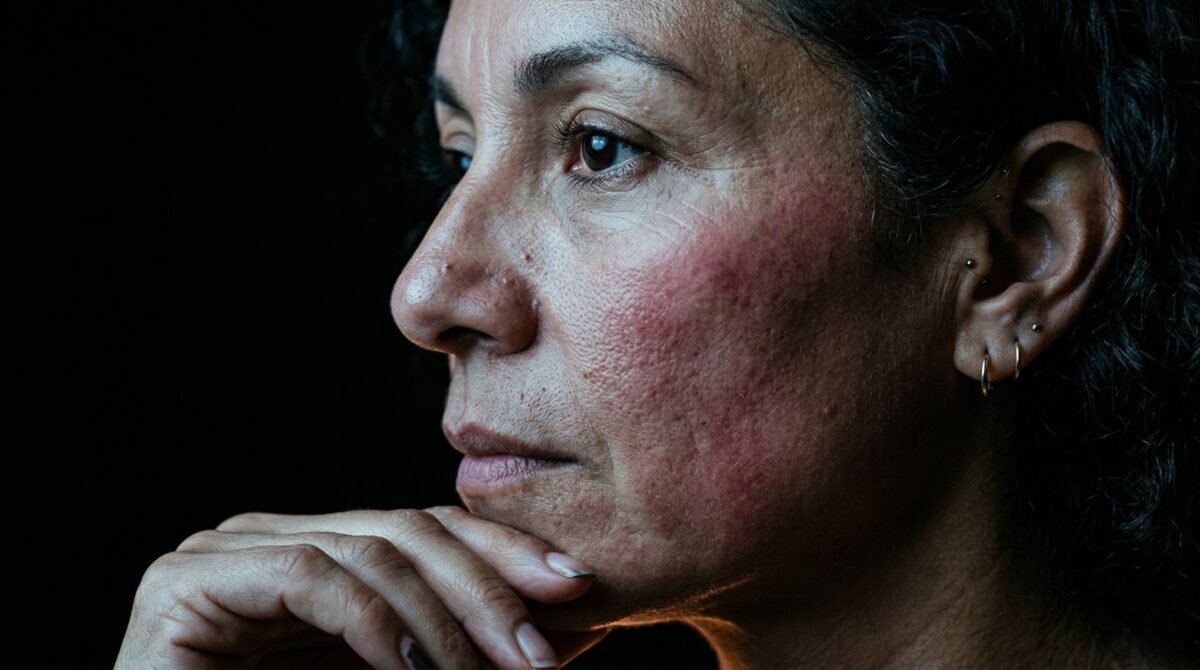
Cortisol Face Is Real. Here’s What’s Actually Happening to Your Skin (And What Helps)
This post contains affiliate links. If you buy through them, I may earn a small commission — at no extra cost to you.
You saw the TikTok. Maybe you laughed, maybe you immediately went to the mirror, maybe you did both in rapid succession. The term cortisol face has been floating around the internet long enough that the debunking articles have already arrived — “it’s not a real diagnosis,” say the killjoys — and yet here you are, still searching, because something in it landed. Something looked familiar.
The problem with most cortisol face content is that it was written for a general audience having a general stress response — not for women over 40 navigating perimenopause, disrupted sleep, and a hormonal environment that has fundamentally changed how their skin responds to everything. This post is for you specifically. What’s actually happening, why it hits differently at this stage of life, and which products are worth your time.
What Cortisol Face Actually Is (And Isn’t)
Cortisol is your primary stress hormone — produced by the adrenal glands, released when your nervous system perceives a threat, and designed to be a short-term survival tool. The problem is that modern life keeps the tap running. Chronic elevation of cortisol is not a personality flaw; it’s a physiological state that a significant portion of women over 40 are living in, often without realizing it.
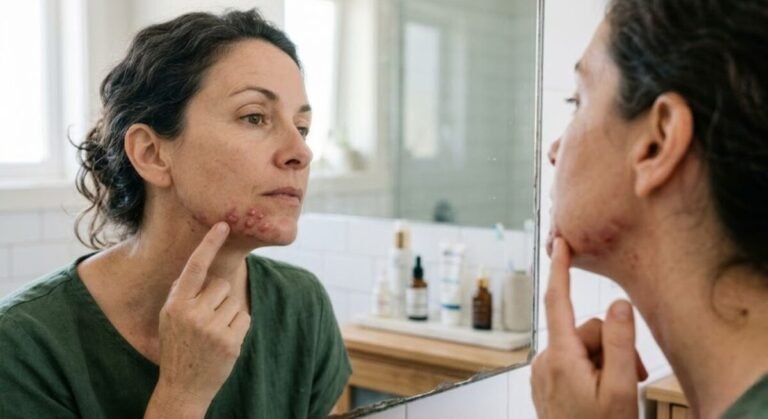
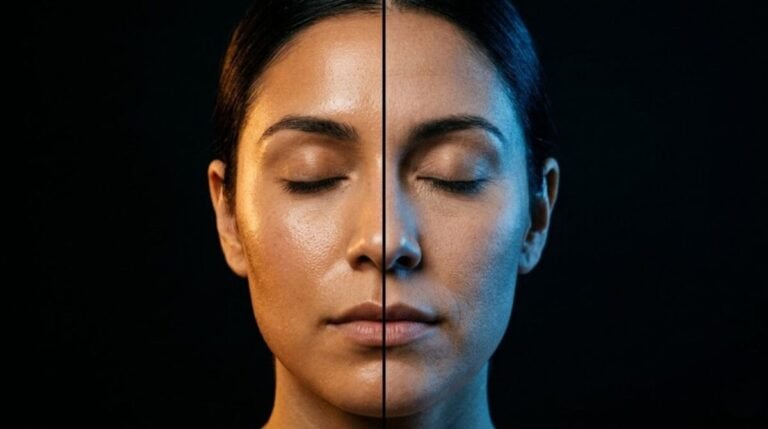
What does cortisol do to your face? The short answer: a lot, and none of it flattering. Elevated cortisol triggers systemic inflammation, which breaks down collagen and elastin at an accelerated rate. It impairs your skin barrier by suppressing ceramide production, leaving skin reactive, dehydrated, and prone to sensitivities it didn’t have before. It causes fluid retention — particularly around the jaw and under the eyes — and it disrupts your microbiome, which creates a cascade of breakouts, dullness, and uneven texture that doesn’t respond to the logic you’d apply to any of those issues individually.
The TikTok term is imprecise. The phenomenon it describes is not. Cortisol face is a real, documented pattern of stress-driven skin aging, and attaching a hashtag to it didn’t make it up — it just gave people a name for something they’d already been watching happen.
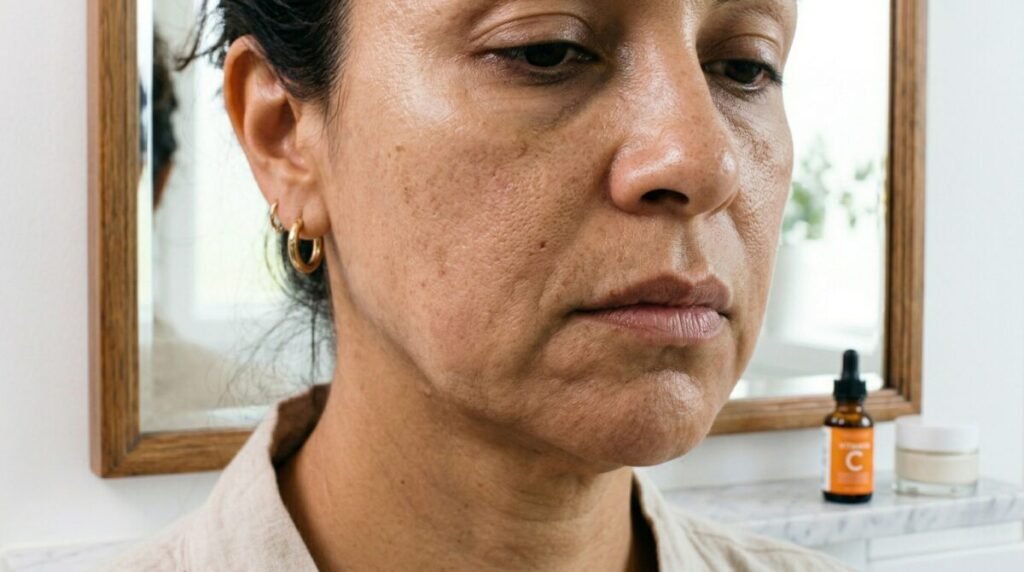
Why Does Cortisol Hit Differently After 40?
Here’s what none of the trend pieces mention: estrogen is a cortisol buffer. It modulates the HPA axis — the stress-response system — and keeps cortisol’s effects on the skin from spiraling. Estrogen also supports collagen synthesis, ceramide production, and skin thickness directly. So when estrogen starts to decline in perimenopause, two things happen at once. You lose its direct structural contribution to your skin, and you lose its protective regulation of cortisol. The same stress load you were carrying at 35 now hits a system that’s lost one of its primary shock absorbers.
What are the signs of cortisol aging in this context, specifically? In your forties, it tends to manifest as fine lines that appeared faster than they should have — particularly around the eyes and mouth. Skin that went from normal to reactive seemingly overnight. A kind of dullness that isn’t dehydration exactly, but isn’t addressed by hydration either. Puffiness that doesn’t resolve after a good night’s sleep. Thinning skin, especially at the temples and around the eye area, where estrogen loss and cortisol damage compound each other. Loss of elasticity that feels sudden rather than gradual. A barrier that throws fits at products it used to tolerate fine.
This is the “cortisol block” pattern — a term appearing in perimenopause research and editorial coverage — where declining estrogen amplifies your skin’s sensitivity to cortisol spikes. Your skin isn’t overreacting. It’s operating in a genuinely more vulnerable hormonal environment than it was five years ago, and the standard stress-aging advice doesn’t account for that.
→ The Peri Paradox — how perimenopausal hormonal shifts affect your skin] has more on this, if you want to go deeper on the hormonal mechanics.
How Do You Actually Fix Cortisol Face?
Bluntly: not with one serum, and not by addressing only the topical layer. Cortisol face is a systemic problem with a topical component, which means the fix is layered. The good news is that the skincare layer is genuinely useful and genuinely actionable — but it has to be sequenced correctly, or you’ll throw actives at a compromised barrier and wonder why your skin is getting worse.
The framework: address the lifestyle piece enough to stop actively flooding your system with cortisol, rebuild the barrier before you try to treat anything, calm the inflammation loop, then reintroduce actives once the foundation is stable. Each step earns the next one.
The Lifestyle Piece (Brief — This Isn’t That Blog)
Sleep deprivation is the single most reliable way to spike cortisol, so if you’re averaging five hours or less, no serum in the world will outpace what that’s doing to your skin. Beyond sleep, nervous system regulation — whatever that actually looks like for you, not what wellness culture tells you it should look like — matters. Adaptogens like ashwagandha and rhodiola have real evidence behind them for cortisol modulation and are worth exploring as a bridge between the systemic and the topical.
The mind-skin connection is real. It’s a documented physiological pathway, and [INTERNAL LINK: Shadow Work and the Skin — the deeper version of the cortisol-nervous system relationship] gets into that at length. For now, the point is simply this: skincare is doing cleanup on a problem that has upstream causes. Tend to those too, even imperfectly.
Step One: Rebuild What Cortisol Broke (Barrier Repair First)
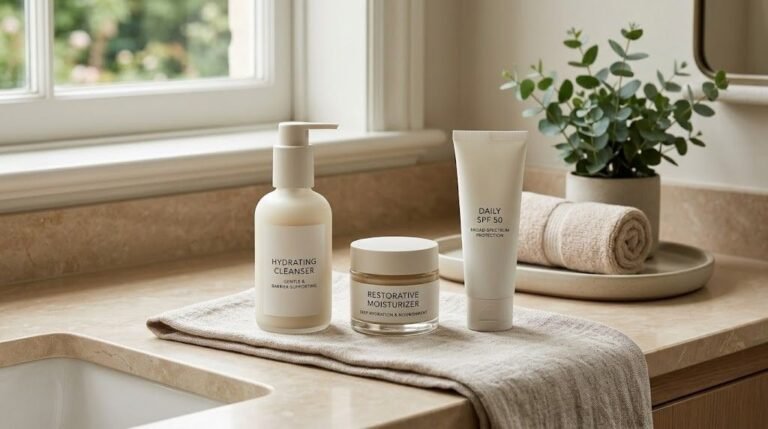
The barrier is ground zero. Cortisol suppresses ceramide synthesis and disrupts your skin microbiome, which leaves the barrier porous, reactive, and unable to retain moisture effectively. Introducing exfoliating acids, vitamin C, or retinoids into that environment doesn’t accelerate your results, it accelerates the damage. Before anything else, you rebuild. Pick the product(s) that fit your situation.
The bifida ferment category is where I start every barrier-recovery protocol. Bifida lysate works on the microbiome level, rebalancing the skin’s bacterial environment while supporting ceramide production and calming inflammatory signaling. Not glamorous. Works.
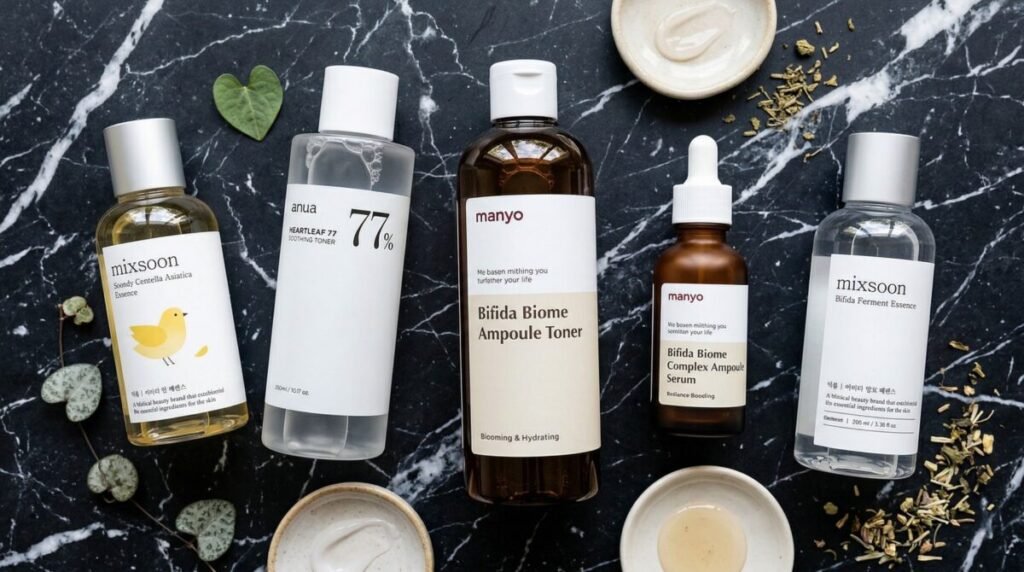
The mixsoon Bifida Ferment Essence is the foundation layer — a high-concentration bifida lysate essence that’s lightweight, completely fragrance-free, and absorbs without resistance. On skin that’s in cortisol crisis, it’s the equivalent of a glass of water when you’re dehydrated: simple, immediate, exactly right.
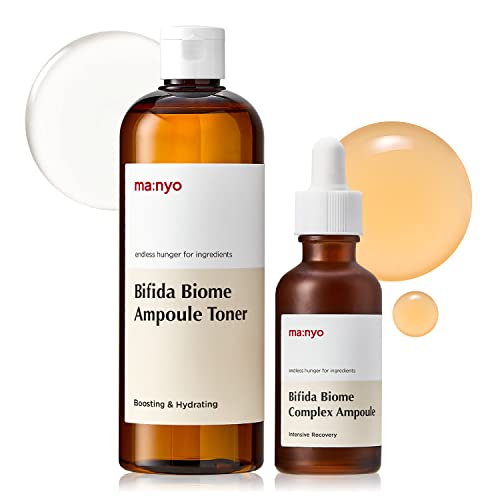
Layer in the MANYO Bifida Biome Ampoule Toner as your first skincare step on the days your skin feels especially thin and reactive. It’s richer than most toners, which means it’s doing actual microbiome work from the first touch rather than waiting for a serum layer that may or may not follow.
For hydration and foundational barrier repair, the COSRX Snail Mucin Repairing Serum earns its place in every stressed-skin routine. Snail secretion filtrate is one of the most well-documented barrier-repair ingredients in accessible skincare, and this version keeps it clean and uncomplicated. Not exciting. Irreplaceable.
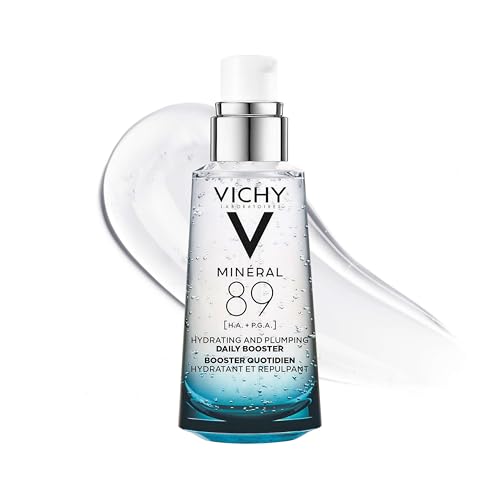
On particularly depleted days — the ones where your skin looks dull and feels tight before you’ve done anything to it — the Vichy Mineral 89 Booster delivers hyaluronic acid and polyglutamic acid in a formula developed by a brand that has been making stressed-skin pharmacy staples for decades. It layers over everything, plumps without heaviness, and reminds cortisol-depleted skin what hydration is supposed to feel like.
Step Two: Calm the Inflammation Driving the Damage
Once the barrier has some integrity back, the next target is the inflammation cascade that cortisol keeps running. This is where soothing actives earn their place — not as gentle gestures, but as direct interventions in the biological process that’s aging your skin.
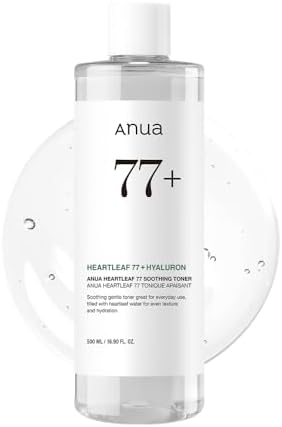
The Anua Heartleaf 77 Soothing Toner is 77% heartleaf extract, which puts it firmly in the therapeutic rather than cosmetic category. Heartleaf has documented anti-inflammatory and antimicrobial activity, and at this concentration it’s working directly on the cortisol-inflammation loop rather than patting it gently on the head. Zero burden on a compromised skin state. Daily-use without escalating sensitivity. This will always be the first layer. You want to apply thinnest to thickest when you layer.
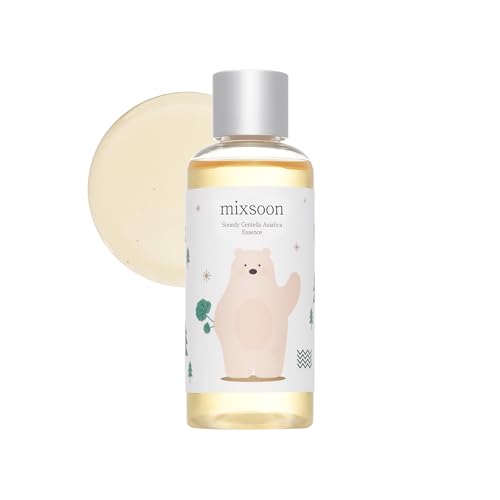
For redness and reactivity, the mixsoon Soondy Centella Asiatica Essence delivers concentrated cica with nothing extraneous attached — no fragrance, no unnecessary actives, no asterisks. Centella is one of the most researched wound-healing and anti-inflammatory ingredients in skincare; in a stressed-skin context, it accelerates barrier healing while actively reducing the visible redness that cortisol inflammation produces.
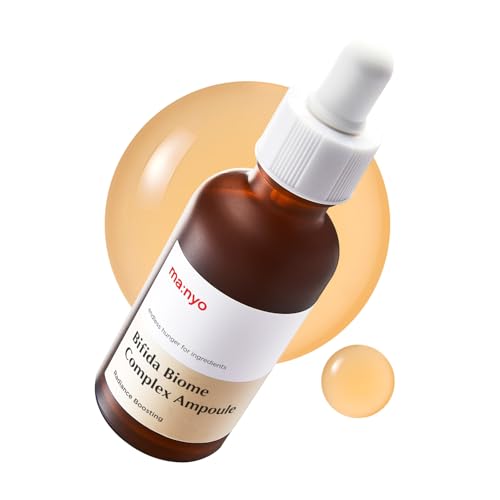
The MANYO Bifida Biome Complex Ampoule Serum is the overnight step I use when my skin has had a genuinely bad day. Richer than the toner, concentrated, designed for serious barrier compromise. Apply it as the last step before moisturizer on the nights when you need your skin to look visibly reset by morning. It’s not subtle. That’s the point.
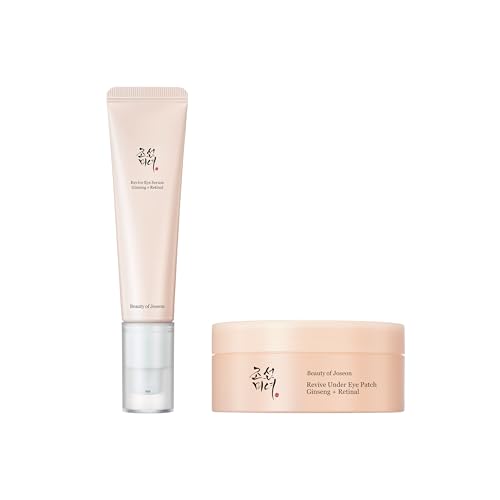
For the eye area specifically, cortisol tends to concentrate its damage and it is worth using a dedicated product to treat. The Beauty of Joseon Revive Eye Serum combines retinal — the more potent, less irritating retinoid form — with niacinamide, addressing both the puffiness and the fine lines that chronic cortisol exposure deposits right there. Use it in the inflammation phase rather than the barrier-rebuild phase; it’s active enough to need a stable foundation first.
Step Three: Reintroduce Actives Once the Foundation Is Stable
This is the phase people skip to first and then wonder why they’re flaring. Once your barrier is functioning and the inflammation is managed, you can start asking your skin to do more than survive.
The mixsoon Bean Essence is how I reintroduce exfoliation to stressed skin. Fermented soybean creates a gentle resurfacing effect through enzymatic action rather than acid aggression — meaning it resurfaces without sending a compromised barrier into retreat. When you’ve been in cortisol-skin recovery and want to start working on texture and tone again, this is the re-entry point.
Niacinamide is the workhorse of the reactivation phase. It addresses inflammation, pore appearance, uneven tone, and supports ceramide synthesis — doing barrier maintenance while treating the visible damage cortisol left behind. The Paula’s Choice CLINICAL 20% Niacinamide Serum is a high-dose formula for when you want real results; hold it until the barrier is genuinely back online, and then don’t be surprised when it delivers more in two weeks than you expected.
For bridging the gap between the calming and brightening phases — particularly if you’re dealing with post-inflammatory hyperpigmentation or the flat, grey dullness that cortisol aging produces — the Vichy Mineral 89 Prebiotic Defense Concentrate pairs niacinamide with prebiotic defense, continuing the microbiome work while beginning tone-correction. It transitions naturally into a more active routine without requiring a hard pivot.
The COSRX 6X Peptide Collagen Booster Toner Serum targets the collagen degradation piece of cortisol aging directly. Peptides and copper complex work on the structural damage — the loss of firmness and elasticity that accumulates over months of chronic cortisol elevation. Use it as your collagen-support step in the morning once the barrier is genuinely stabilized; it layers cleanly under SPF without interference.
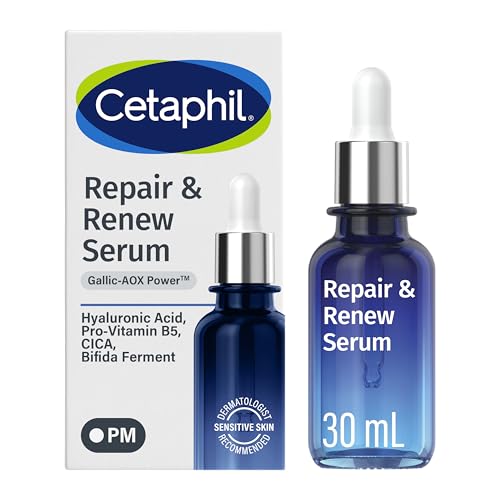
For nights when you want something actively treating stressed, sensitive skin rather than simply maintaining it, the CETAPHIL Repair & Renew Night Serum is more effective than its approachable packaging suggests. Gallic acid and vitamin E in a formula developed specifically for sensitive, compromised skin — doing antioxidant and repair work overnight without the drama that more aggressive treatments bring to skin still finding its footing.
Who Is This Protocol For?
If your skin changed in your forties in ways that don’t respond to the logic you used to apply — if your barrier is newly reactive, if you’re seeing accelerated aging that doesn’t track with your actual routine, if products you’ve used for years are suddenly causing problems — cortisol and skin aging over 40 are worth examining as compounding factors, not separate concerns.
This isn’t about perfecting a ten-step routine. It’s about understanding what’s actually happening and working with it instead of against it. The protocol above isn’t a product stack to implement all at once. It’s a sequence. Start where your skin actually is — which, if you’re reading this, is probably the barrier-rebuild phase — and let each step earn the next.
The Verdict
Cortisol face is real, it’s physiologically documented, and the noise around it has, if anything, undersold how significantly it compounds with the hormonal shifts of perimenopause. The answer isn’t to find the single best serum for stressed skin over 40. It’s to stop throwing actives at a barrier that can’t use them yet, spend real time in the unglamorous rebuild phase, and sequence your way back to a skin state that can actually respond to treatment. The products above are the ones I trust for each stage of that process. None of them are magic. All of them do what they say. That’s the standard.
SHOP THIS POST





Discover more from The Harpy Nest
Subscribe to get the latest posts sent to your email.