

How to Use Niacinamide for Mature Skin
This post contains affiliate links. If you buy through them, I may earn a small commission — at no extra cost to you.
If you’ve noticed your skin looking dull, uneven, or less firm than it used to, you’re not alone. Women over 40 experience significant shifts in how their skin behaves, thanks largely to hormonal changes during perimenopause and menopause. Fine lines become more pronounced, dark spots appear seemingly overnight, and dryness becomes a constant companion. The good news is that niacinamide, a form of Vitamin B3, addresses nearly all of these concerns at once.
Unlike harsh actives that can irritate sensitive mature skin, niacinamide works gently to rebuild collagen, strengthen your skin barrier, and fade hyperpigmentation. It functions at the cellular level by replenishing NAD+, a coenzyme that declines with age and is essential for DNA repair and energy production in skin cells. Best of all, it plays well with other anti-aging ingredients like retinol and vitamin C, making it easy to incorporate into your existing routine. Understanding how to layer niacinamide properly can help you see real improvements in texture, tone, and firmness within just a few months.
Key Takeaways
- Collagen Support: Niacinamide stimulates fibroblast activity to help restore collagen and elastin lost through aging and hormonal changes, improving skin firmness and reducing fine lines.
- Barrier Repair: It boosts ceramide production, reducing transepidermal water loss and strengthening the skin barrier weakened by estrogen decline during menopause.
- Dark Spot Reduction: Niacinamide inhibits melanin transfer within the skin, visibly fading age spots and evening skin tone over 8 to 12 weeks of consistent use.
- Gentle on Sensitive Skin: Unlike many anti-aging actives, niacinamide is non-irritating and safe for twice-daily use, even on reactive menopausal skin prone to redness.
- Powerhouse Pairings: It works synergistically with retinol, hyaluronic acid, peptides, and vitamin C for amplified anti-aging results without causing irritation.
- Clinically Proven: Double-blind clinical studies confirm measurable improvements in wrinkles, elasticity, and skin tone with 5% niacinamide used consistently.
Why Niacinamide Matters for Mature Skin
Women’s skin undergoes dramatic changes starting in their 40s, driven primarily by declining estrogen and progesterone levels. These hormonal shifts accelerate visible aging in ways that go beyond simple time passing. Collagen loss speeds up dramatically, with women losing approximately 30% of their skin collagen in just the first five years after menopause. Cell turnover, which occurs roughly every 28 days in younger skin, can slow to 45 to 60 days or longer in mature skin. The lipid barrier that keeps moisture in and irritants out becomes compromised as ceramide production drops. All of these changes happen simultaneously, creating a perfect storm of dryness, sensitivity, uneven tone, and loss of firmness.
Niacinamide addresses these concerns through multiple mechanisms. Research published in Nature Scientific Reports found that niacinamide-containing formulas nearly completely restored collagen network organization in skin damaged by chronic UVA exposure. This means it doesn’t just prevent further damage but can actually help reverse existing photoaging. For women dealing with decades of cumulative sun exposure, this represents a significant opportunity to repair structural damage that has already occurred.
The Science of Skin Aging After 40
As we age, several key biological processes slow down or deteriorate. Fibroblasts, the cells responsible for producing collagen and elastin, become less active. The natural antioxidant defenses in skin weaken, making it harder to neutralize free radicals from UV exposure, pollution, and daily environmental stress. Melanin production becomes uneven rather than uniform, leading to age spots and patches of discoloration. The stratum corneum, or outermost layer of skin, loses its ability to hold onto water effectively.
Niacinamide works by replenishing NAD+ levels in skin cells, a coenzyme that naturally declines with age and is critical for cellular energy production and DNA repair. By boosting NAD+, niacinamide helps skin cells function more like younger cells. It also prevents cellular senescence in both keratinocytes and fibroblasts, essentially slowing the process by which skin cells stop dividing and begin to malfunction. This multi-level approach makes niacinamide uniquely effective for mature skin that is experiencing age-related decline on several fronts at once.
Warning Signs Your Skin Needs Niacinamide
Many women first consider adding niacinamide to their routine when they notice specific frustrating changes. These signs often appear gradually but become increasingly difficult to ignore. Your moisturizer that used to work perfectly may suddenly feel inadequate. Products that never bothered you before might start causing redness or stinging. The uneven tone that makeup used to hide becomes more prominent. Recognizing these triggers can help you understand whether niacinamide might address your specific concerns.
Increasing Fine Lines and Loss of Firmness
When you look in the mirror and notice that your skin looks less plump or that lines around your eyes and mouth seem deeper, collagen loss is usually the culprit. Clinical studies using cutometry measurements have shown that 5% topical niacinamide produces statistically significant improvements in skin elasticity. The ingredient stimulates fibroblasts even as their natural activity slows, helping maintain the structural support network that keeps skin looking firm and smooth.
Age Spots and Uneven Skin Tone
Dark spots that appear on your cheeks, forehead, or hands are often the result of years of UV exposure combined with hormonal changes. Niacinamide reduces hyperpigmentation by inhibiting the transfer of melanin from melanocytes to surrounding keratinocytes. Unlike hydroquinone, which blocks melanin production entirely and can cause irritation, niacinamide works more gently by preventing melanin from spreading into the upper layers of skin. This makes it ideal for sensitive mature skin.
Chronic Dryness, Sensitivity, and Redness
If your skin feels tight, flaky, or reactive to products that never bothered you before, your skin barrier has likely been compromised by declining estrogen. Estrogen stimulates ceramide production, so when levels drop during menopause, the lipid barrier weakens. Niacinamide increases production of ceramides, free fatty acids, and cholesterol in the stratum corneum, directly rebuilding barrier function and reducing transepidermal water loss.
Dull, Rough, or Sallow-Looking Skin
When cell turnover slows, dead skin cells accumulate on the surface, creating a dull, rough texture and sometimes a yellowish or grayish cast. The same clinical study that showed wrinkle reduction also found improvements in skin yellowing and red blotchiness with consistent niacinamide use. By supporting cellular energy and preventing senescence, niacinamide helps skin maintain a more youthful renewal cycle.
Niacinamide’s Benefits Broken Down by Skin Concern
Understanding exactly how niacinamide addresses different aspects of aging can help you set realistic expectations and know what to look for as your skin improves.
Wrinkles and Fine Lines
Niacinamide stimulates both collagen and elastin synthesis by activating fibroblasts. It also helps prevent cellular senescence, the process by which cells stop functioning optimally. For best results with wrinkle reduction, use a 5% niacinamide serum twice daily. Studies show measurable improvements after 8 to 12 weeks of consistent application. Pair it with peptides in the evening for synergistic collagen support, as both ingredients signal the skin to produce more structural proteins.
Hyperpigmentation and Age Spots
The melanin transfer inhibition that niacinamide provides works differently than ingredients like vitamin C or alpha arbutin. Rather than blocking melanin production, it prevents melanin from moving into the upper layers of skin where dark spots become visible. Combine niacinamide with vitamin C in your morning routine for enhanced brightening effects, as the two work through complementary pathways. Expect to see gradual fading over the course of two to three months.
Dryness and Compromised Skin Barrier
Mature skin often struggles to hold onto moisture because the lipid barrier has been weakened by hormonal changes. Niacinamide increases ceramide production, which helps seal gaps between skin cells and prevent water loss. Follow your niacinamide serum with a ceramide-rich moisturizer to amplify the barrier repair effects. This combination is particularly effective for women experiencing dry, sensitive skin during perimenopause or postmenopause.
Photoaging and UV Damage
The 2024 Nature study showed that niacinamide can help reverse structural damage from years of sun exposure by restoring the collagen network. This is significant because most anti-aging ingredients focus on prevention rather than repair. Combine niacinamide with daily broad-spectrum SPF 30 or higher for both protection against new damage and gradual repair of existing photoaging. The two work as a powerful team for women whose skin shows signs of cumulative UV exposure.
Crepey or Thinning Skin
When skin loses volume and begins to look thin or papery, it usually means the dermal layer has lost substantial collagen and elastin. Niacinamide’s ability to stimulate fibroblast activity can help improve this over time. Layer it with peptide serums for amplified structural support, as peptides signal the skin to produce new collagen while niacinamide supports the cells doing that work.
Connection to Skin Health and Dermatological Standards
Dermatologists frequently recommend niacinamide as a first-line anti-aging ingredient, particularly for women with sensitive or reactive skin who may not tolerate retinoids well.
Clinically Validated Concentrations
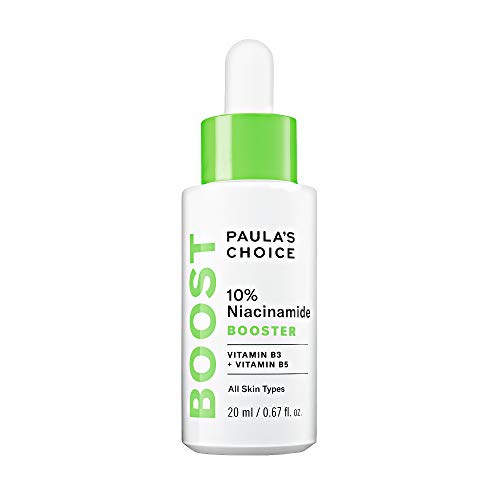
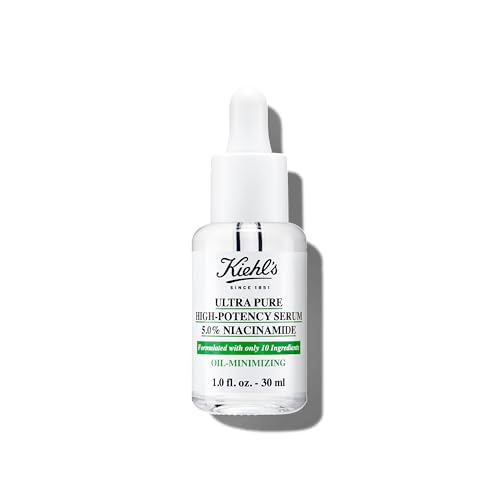
The gold standard concentration supported by research is 5%. Studies using 2% show some benefits but are less robust than those using 5%. Concentrations of 10% are available but don’t necessarily provide better anti-aging results than 5%, though they may offer enhanced sebum regulation for those with oily or combination skin. Clinical trials consistently use 4% to 5% concentrations when measuring anti-aging outcomes like wrinkle reduction, elasticity improvement, and hyperpigmentation fading.
Dermatologist Endorsement
The reason dermatologists favor niacinamide for mature skin is its safety profile combined with efficacy. It’s non-acidic, non-irritating, and works across all skin types, including sensitive and rosacea-prone skin that is common during menopause. Unlike retinoids, which can cause dryness and sensitivity that worsen already compromised barriers, niacinamide actually strengthens the barrier while delivering anti-aging benefits. This makes it an ideal choice for women whose skin has become more reactive with age.
Adjusting Niacinamide Use for Different Skin Types in Mature Women
Not all mature skin behaves the same way. Hormonal changes affect women differently based on their baseline skin type, genetics, and lifestyle factors. Customizing your approach ensures you get the best results.
Dry and Dehydrated Mature Skin
If your skin feels tight and looks flaky, prioritize niacinamide in a hydrating serum base rather than a lightweight gel formula. Layer it over hyaluronic acid applied to damp skin, then seal everything in with a rich, occlusive moisturizer containing ingredients like shea butter or squalane. This layering technique maximizes hydration while allowing niacinamide to repair the barrier.
Sensitive or Rosacea-Prone Mature Skin
Start with a 2% concentration once daily, preferably in the evening when skin is less likely to be exposed to potential irritants. Avoid combining niacinamide with strong acids like glycolic acid or salicylic acid initially, as this can overwhelm sensitive skin. After two to three weeks, if your skin tolerates it well, gradually increase to twice daily application. Look for formulas that are fragrance-free and contain soothing ingredients like allantoin or centella asiatica.
Combination or Oily Mature Skin
Yes, mature skin can still be oily, especially if hormonal fluctuations trigger increased sebum production. Niacinamide helps regulate sebum, making it ideal for this skin type. Choose a lightweight serum or gel-cream formula rather than a heavy cream base. You’ll still get the anti-aging benefits while avoiding a greasy feeling.
Skin with Significant Sun Damage or Melasma
For stubborn hyperpigmentation, patience is key. Combine niacinamide with vitamin C and daily SPF, and manage your expectations around timing. Visible fading typically takes 8 to 12 weeks of consistent use. Some women see results sooner, but hormonal melasma in particular can be stubborn. Niacinamide works more gently than hydroquinone and has a much lower risk of irritation or rebound hyperpigmentation.
When to Start and How to Build Your Routine
Timing matters when introducing any new active ingredient, but niacinamide’s gentle nature makes it easier to incorporate than most.
The Right Age to Start
While niacinamide benefits skin at any age, the late 30s to early 40s is ideal for beginning consistent use as an anti-aging strategy. This coincides with the onset of perimenopausal hormonal changes that accelerate collagen loss and barrier weakening. Starting during this window allows you to address early signs before they become deeply established.
Morning vs. Evening Application
Niacinamide can be used in both your morning and evening routines without concern. In the morning, it pairs beautifully with SPF by addressing photoaging damage while sunscreen prevents new damage. In the evening, it works synergistically with retinol, helping buffer potential irritation while supporting cellular repair overnight. Layering niacinamide with retinol is one of the most effective anti-aging combinations for mature skin.
Building Up Gradually
Even though niacinamide is gentle, introducing it slowly helps your skin adjust and allows you to monitor how it interacts with your other products. Start once daily for two to three weeks before progressing to twice daily. This approach is especially important if you have reactive skin or are using multiple actives like retinol, vitamin C, or acids.
How to Use Niacinamide: Step-by-Step Routine
Proper application order maximizes absorption and effectiveness while preventing pilling or reduced efficacy.
Step 1: Cleanse
Use a gentle, non-stripping cleanser that preserves your skin’s natural moisture barrier. Avoid harsh foaming cleansers that contain sulfates, as these strip natural oils and can worsen dryness in mature skin. Look for creamy or oil-based cleansers that remove makeup and SPF without leaving skin feeling tight.
Step 2: Hydrate First
Apply hyaluronic acid serum to damp skin before niacinamide. Hyaluronic acid is a humectant that binds water to the skin, and applying it while skin is still slightly damp maximizes its moisture-binding capacity. This creates a hydrated base that allows niacinamide to work more effectively.
Step 3: Apply Niacinamide Serum
Dispense two to three drops of a 5% niacinamide serum into your palm and press it evenly across your face and neck. Don’t forget your neck, as it shows signs of aging just as readily as your face. Allow 30 to 60 seconds for the serum to absorb fully before moving to the next step. This brief wait time prevents pilling and ensures each layer can penetrate properly.
Step 4: Layer Targeted Actives
In the evening, this is when you would apply retinol or peptide serum. Niacinamide buffers retinol irritation, making this pairing ideal for mature skin that may be more sensitive to retinoids. The two ingredients complement each other beautifully, with retinol accelerating cell turnover while niacinamide supports barrier repair and reduces inflammation.
Step 5: Moisturize
Seal in all previous layers with a ceramide-rich moisturizer. This reinforces the barrier-repair work that niacinamide performs and locks in hydration. For very dry skin, consider adding a few drops of facial oil on top of your moisturizer as a final occlusive layer.
Step 6: Apply SPF (Morning Only)
Finish your morning routine with broad-spectrum SPF 30 or higher. This step is non-negotiable for women using niacinamide to combat photoaging. While niacinamide helps repair existing sun damage, only sunscreen can prevent new damage from occurring. Together, they form a powerful defense and repair system.
Long-Term Strategy: Making Niacinamide a Skincare Staple
Consistency matters more than perfection when it comes to seeing real anti-aging results from niacinamide.
Consistency Over Perfection
Clinical studies show measurable improvements over 8 to 12 weeks of consistent use. This means applying your niacinamide serum daily, both morning and evening if your skin tolerates it well. Skipping occasional days doesn’t reset your progress entirely, but regular use is what produces the cumulative benefits that become visible over time. Think of it as a long-term investment in your skin health rather than a quick fix.
Routine Maintenance and Reassessment
Your skin’s needs change as you move through different phases of perimenopause and postmenopause. Reassess your concerns every three months and adjust your niacinamide concentration or pairings as needed. You might find that your barrier has strengthened enough to increase other actives, or that seasonal changes require you to boost hydration. Flexibility within a consistent framework produces the best long-term results.
If this landed somewhere real, the Coven is where the conversation continues. We go deeper in the newsletter — more of this kind of writing, less of everything else. Join us below.
Common Pitfalls
Even with a gentle ingredient like niacinamide, certain mistakes can reduce effectiveness or cause unnecessary frustration. Expecting results in days rather than weeks is perhaps the most common issue. Remember that clinical improvements typically appear after 8 to 12 weeks, not overnight. Using too high a concentration too quickly on sensitive skin can cause mild irritation, though this is rare. Skipping SPF while trying to reverse photoaging undermines your efforts, as new sun damage accumulates faster than niacinamide can repair existing damage.
Over-exfoliating alongside niacinamide disrupts the barrier it’s trying to rebuild, so limit AHA or BHA use to two to three times per week maximum. Layering incorrectly by applying niacinamide over an occlusive before it can absorb reduces its effectiveness. Using very high-dose pure vitamin C, specifically ascorbic acid, in the same application step may cause interaction, though standard formulations are generally fine. Finally, abandoning the routine before the 8 to 12 week clinical window means you never give your skin a chance to show the improvements research has documented.
Overall Routine Integration
Niacinamide doesn’t work in isolation. It fits into a complete, holistic anti-aging skincare strategy that addresses multiple aspects of mature skin health. Think of it as a foundational ingredient that supports and enhances everything else you’re doing. It complements retinol by buffering irritation while both ingredients work to improve cell turnover and collagen production. It amplifies the benefits of daily SPF by helping repair existing photoaging while sunscreen prevents new damage.
It works synergistically with peptides, both supporting collagen synthesis through different mechanisms. Professional treatments like chemical peels or laser resurfacing can produce dramatic improvements, and niacinamide helps maintain those results between treatments while supporting skin health. The key is viewing your skincare routine as an interconnected system rather than a collection of separate products. When each element supports the others, you see better results across the board.
Frequently Asked Questions About Niacinamide for Mature Skin
Q: What percentage of niacinamide is best for mature skin?
A: 5% is the most clinically validated concentration for anti-aging concerns. This concentration has been shown in double-blind studies to address wrinkles, elasticity, barrier repair, and hyperpigmentation effectively. While 2% provides mild benefits and 10% is available in some products, 5% represents the sweet spot for most women over 40.
Q: How long does niacinamide take to work on aging skin?
A: Clinical studies show measurable improvements in fine lines, tone, and elasticity after 8 to 12 weeks of consistent twice-daily use. Some people notice subtle changes sooner, particularly in skin texture and hydration, but the more dramatic improvements in wrinkles and dark spots typically become visible around the two to three month mark.
Q: Can I use niacinamide with retinol if I’m over 40?
A: Yes, this is one of the best pairings for mature skin. Niacinamide soothes and buffers retinol-related irritation, redness, and dryness, making it easier to tolerate retinol consistently. Apply niacinamide first, allow it to absorb for 30 to 60 seconds, then follow with retinol in your evening routine.
Q: Is niacinamide safe for sensitive menopausal skin?
A: Yes. Niacinamide is one of the few potent anti-aging ingredients that is non-irritating and suitable for reactive, sensitive, or rosacea-prone skin that is common during menopause. It’s non-acidic and actually helps reduce inflammation rather than cause it, making it gentler than alternatives like glycolic acid or high-strength vitamin C.
Q: Can niacinamide replace retinol for mature skin?
A: It can serve as a gentler alternative for those who cannot tolerate retinol due to sensitivity or contraindications, but the two work through different mechanisms and are most powerful when used together. Retinol accelerates cell turnover while niacinamide supports barrier function, collagen production, and reduces inflammation. If you can tolerate both, using them together produces superior anti-aging results.
Q: Does niacinamide help with age spots specifically?
A: Yes. It inhibits the transfer of melanin within skin cells, visibly reducing the appearance of age spots and uneven tone over 8 to 12 weeks. Unlike hydroquinone, which blocks melanin production and can cause irritation, niacinamide works more gently by preventing melanin from spreading into the upper layers of skin where dark spots become visible.
Final Thoughts
Niacinamide’s multi-benefit action makes it one of the most valuable ingredients in mature skincare. It addresses collagen support, barrier repair, dark spot reduction, and photoaging recovery simultaneously, working through at least five distinct mechanisms at the cellular level. For women navigating the significant skin changes that come with perimenopause and menopause, having a single ingredient that addresses so many concerns at once simplifies your routine while delivering comprehensive results.
The long-term benefits of consistent niacinamide use extend far beyond the initial 8 to 12 weeks. With ongoing application, you build a healthier, more resilient skin barrier that better withstands environmental stress and hormonal fluctuations. Tone becomes more even, texture smoother, and firmness gradually improves as collagen networks rebuild. Your skin behaves in a more youthful way because niacinamide helps cells function more efficiently. These cumulative effects compound over months and years, making niacinamide a true skincare staple for women in their 40s, 50s, 60s, and beyond.




Discover more from The Harpy Nest
Subscribe to get the latest posts sent to your email.