
The Benefits of Retinol for Mature Skin
This post contains affiliate links. If you buy through them, I may earn a small commission — at no extra cost to you.
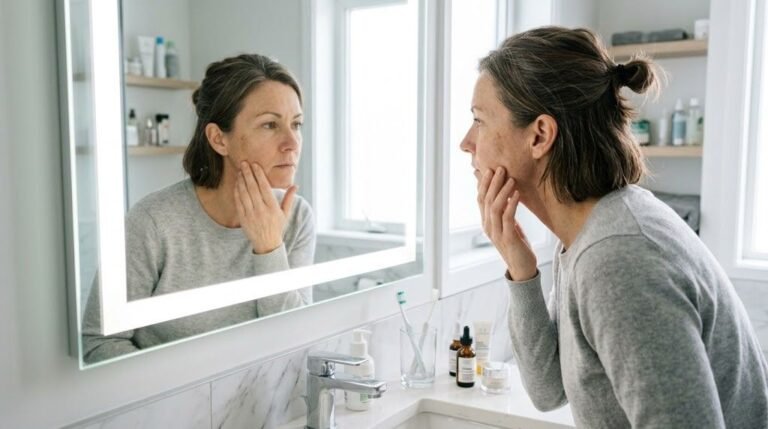
When you look in the mirror and notice that fine lines seem deeper than they were last year, or that your skin doesn’t bounce back the way it used to, you’re experiencing the natural aging process that accelerates in your 40s and beyond. Retinol for over 40 has become one of the most talked-about skincare ingredients for good reason. This vitamin A derivative is backed by decades of clinical research showing it can genuinely reverse visible signs of aging at the cellular level.
Unlike temporary fixes that just sit on the skin’s surface, retinol works deep in the dermis to stimulate collagen production, speed up cell turnover, and protect existing skin structure from further breakdown. The beauty of retinol is that it’s accessible over the counter, proven effective in peer-reviewed studies, and can be adapted to work even for sensitive or dry mature skin types. Whether you’re dealing with wrinkles, age spots, loss of firmness, or all of the above, retinol offers a scientifically validated path forward.
Key Takeaways
- Collagen Restoration: Retinol stimulates fibroblasts to produce new collagen, directly combating the structural loss that causes sagging and wrinkles after 40
- Cell Turnover Acceleration: Retinol speeds up the skin’s renewal cycle, clearing dull, pigmented surface cells and revealing fresher, smoother skin beneath
- MMP Inhibition: Retinol suppresses the enzymes that break down collagen and elastin, protecting existing skin structure from further UV and environmental damage
- Deep Hydration: By increasing glycosaminoglycan and hyaluronic acid production in the dermis, retinol plumps skin from within
- Tone Correction: Consistent use reduces age spots, hyperpigmentation, and sun damage, which are common concerns for women in their 40s and beyond
- Safe, Gradual Progress: Starting at low concentrations and building slowly makes retinol accessible even for sensitive or dry mature skin types
Why Retinol Matters for Mature Skin
For women over 40 in the United States skincare landscape, retinol represents the most evidence-backed ingredient available without a prescription. As we age, our skin undergoes profound biological changes that become impossible to ignore by our 40s. Collagen production declines by approximately 1% annually, reducing firmness and elasticity with each passing year. The soft papillary layer of the dermis, formed by multiple types of collagen, decreases with age, reducing the skin’s ability to absorb the mechanical stress that causes wrinkles. Perimenopause and menopause bring hormonal shifts that further accelerate collagen loss, with some research suggesting up to 30% of skin collagen disappears in the first five years after menopause. Add decades of photoaging from UV exposure, and the cumulative effect becomes visible as deep wrinkles, sagging, uneven tone, and rough texture.
The Science of Skin Aging After 40
Skin aging is driven by two simultaneous forces: intrinsic aging from genetics and time, plus extrinsic aging from UV exposure, pollution, and lifestyle factors. By the time a woman reaches her 40s, both forces have been at work for decades. Collagen types I and III decline significantly, reducing skin firmness and causing visible sagging and creasing. The skin’s natural exfoliation cycle slows from roughly 28 days in youth to 45 to 60 days or more in mature skin, causing dullness and uneven texture. Glycosaminoglycans like hyaluronic acid diminish, reducing the skin’s natural moisture retention capacity. The epidermis becomes thinner and more fragile, making skin more vulnerable to damage and slower to heal. Matrix metalloproteinases, the enzymes that degrade collagen, become overactive in response to UV and environmental stress, compounding structural breakdown. Blood vessel density in the dermis decreases, delivering fewer nutrients to skin cells and creating a sallow, tired appearance.
Retinol’s Place in the Anti-Aging Hierarchy
When compared to other popular anti-aging actives like peptides, vitamin C, niacinamide, and growth factors, retinol remains the gold standard among dermatologists. Peptides may signal collagen production, but retinol directly activates the genetic pathways that produce it. Vitamin C provides antioxidant protection, but retinol repairs existing damage while preventing new breakdown. Niacinamide supports the skin barrier, but retinol thickens the epidermis and rebuilds dermal structure. The retinoid family includes a spectrum of compounds ranging from the mildest retinyl esters to prescription tretinoin, and topical retinol sits in the sweet spot: potent enough to deliver measurable results, gentle enough to be accessible for most skin types.
Signs Your Skin Is Ready for Retinol
Several visible and textural changes signal that it’s time to introduce retinol into your skincare routine. These aren’t inevitable flaws to hide, but rather biological shifts that respond well to targeted intervention. Most women over 40 notice at least two or three of these concerns, and retinol addresses all of them through overlapping mechanisms at the cellular level.
Fine Lines and Wrinkles
Expression lines from smiling, squinting, and frowning eventually become static wrinkles that remain visible even when your face is at rest. This happens because the dermal matrix that once cushioned these movements has degraded. Retinol stimulates collagen synthesis through the TGF-beta/CTGF pathway, which is substantially reduced in the dermis of aged individuals. Clinical studies show up to 80% improvement in fine lines with consistent retinol use over 12 weeks. The key is that retinol doesn’t just fill wrinkles temporarily, it rebuilds the structural support beneath them so they become genuinely less visible over time.
Uneven Skin Tone and Hyperpigmentation
Decades of UV exposure accumulate as dark spots, discoloration, and uneven pigmentation across the face, chest, and hands. These age spots represent clustered melanin deposits in the upper layers of skin that don’t clear away naturally as cell turnover slows. Retinol’s exfoliating action accelerates cell turnover, which reduces hyperpigmentation and delivers a more even complexion. By downregulating UV-induced matrix metalloproteinase expression, retinol also helps replenish collagen levels lost from sun damage, addressing both the color and texture issues that come with photoaging.
Loss of Firmness and Elasticity
When you press your fingertip into your cheek and the skin doesn’t bounce back immediately, you’re seeing the loss of collagen and elastin that defines mature skin. This structural decline causes skin to sag along the jawline, under the eyes, and across the neck. Retinol addresses this at the source by activating fibroblast activity and increasing procollagen protein expression. A randomized controlled clinical trial found that 0.4% retinol significantly increased procollagen I immunostaining compared to a vehicle control, providing histological proof that new collagen formation was occurring in treated skin.
Benefits Broken Down by Skin Concern
Retinol’s multifaceted mechanisms make it uniquely suited to address the specific complaints women over 40 experience most frequently. Understanding how retinol targets each concern helps set realistic expectations for results.
Wrinkles and Expression Lines
Once converted to retinoic acid in the skin, retinol binds to nuclear retinoic acid receptors that directly regulate genes involved in cell growth, differentiation, and collagen production. It suppresses the activity of matrix metalloproteinases, the enzymes that break down collagen and elastin in response to UV exposure and oxidative stress. By blocking MMPs while simultaneously promoting collagen synthesis, retinol provides dual-action benefits critical for mature skin. Starting with concentrations of 0.025% to 0.1% and building to 0.3% or higher over several months typically produces visible smoothing of crow’s feet, forehead lines, and smile lines within three to six months.
Age Spots and Sun Damage
Accelerated cell turnover clears pigmented cells from the skin’s surface more quickly, gradually fading dark spots and evening out discoloration. Because retinol also suppresses the UV-triggered enzymes that degrade collagen, it prevents further photoaging damage while correcting existing sun damage. Clinical investigation confirmed significant improvement in fine lines, under-eye wrinkles, and uneven skin tone following topical retinol application over eight weeks. Pairing retinol with daily SPF 30 or higher sunscreen maximizes tone correction by preventing new pigment formation while retinol clears old pigment.
Sagging and Loss of Volume
The papillary dermis, the soft upper layer of the dermis rich in collagen fibers, contracts and weakens significantly with age. Recent research from Shiseido identified that retinol helps regenerate and maintain this papillary collagen layer, which cushions fine lines and gives skin its supple appearance. By increasing collagen type I and type III production, retinol restores some of the structural support that creates firmness and reduces sagging. This process is gradual, typically requiring six to twelve months of consistent use to see meaningful lifting effects along the jawline and cheeks.
Dryness and Dehydration
Retinol treatment significantly increases glycosaminoglycan expression in the skin, a molecule known to retain substantial water. GAGs like hyaluronic acid hold up to 1,000 times their weight in water, so their increased presence directly translates to plumper, more hydrated skin and a reduction in the appearance of fine lines. This addresses moisture loss at a structural level in the dermis rather than just surface-only hydration, which is why retinol’s hydrating effects are cumulative and long-lasting.
Dermatological and Clinical Validation
The reason dermatologists consistently recommend retinol for mature skin is the depth and quality of clinical evidence supporting its use. Unlike many skincare ingredients that rely on marketing claims, retinol’s benefits are documented in peer-reviewed research and histological studies showing measurable changes in skin structure.
Key Clinical Studies
A 2007 study published in JAMA Dermatology tested 0.4% retinol lotion on the upper inner arm of elderly subjects over 24 weeks. Results showed significant improvement in fine wrinkles, alongside histological confirmation of increased procollagen I and glycosaminoglycan content in treated skin, with no significant adverse effects. A comprehensive 2023 molecular review confirmed that retinol exerts anti-aging effects across multiple biological pathways: stimulating fibroblast activity, increasing GAG synthesis, suppressing MMPs, and thickening the epidermis. The review concluded retinol is one of the most scientifically validated anti-aging ingredients available without a prescription. A controlled comparative study in the Journal of Cosmetic Dermatology directly measured the effects of retinol versus retinoic acid on skin aging markers, confirming that both increased collagen type 1 and type 3 gene expression and corresponding protein levels.
Dermatologist Consensus
Dermatologists broadly agree that retinol is the most clinically validated over-the-counter anti-aging ingredient. Stanford dermatologist commentary confirms that retinol deserves its reputation for improving skin texture, reducing fine lines, and evening out tone. The key is using it correctly: starting at low concentrations, building tolerance gradually, and pairing it with daily sun protection. When these conditions are met, retinol produces reliable, measurable improvements in aging skin.
Retinol Adjustments for Different Skin Types Over 40
Not all mature skin is the same, and customizing your retinol approach based on your specific skin type maximizes results while minimizing irritation. Women over 40 may have different skin types than they did in their 20s and 30s, often trending drier and more sensitive due to hormonal changes and epidermal thinning.
Dry or Sensitive Skin
For women with dry or sensitive mature skin, the buffering method works well: apply moisturizer first, wait 20 minutes, then apply retinol on top. This slows absorption slightly and reduces irritation risk while still delivering effective results. Starting at the lowest concentrations of 0.025% to 0.1% and using retinol just two to three nights per week for the first month allows skin to adapt. Pairing retinol with a rich moisturizer containing ceramides and peptides supports the skin barrier during the adjustment period, which dermatologists call retinization.
Oily or Combination Skin
Women with oilier skin types may tolerate higher concentrations sooner and can layer retinol with lightweight hydrators like niacinamide and hyaluronic acid. Because oily skin has a more robust lipid barrier, irritation is often less pronounced, though dryness and flaking can still occur during the first few weeks. Starting at 0.1% to 0.3% and increasing frequency to nightly use within four to six weeks is often feasible for this skin type.
Post-Menopausal Skin
Skin significantly affected by estrogen decline becomes thinner, drier, and more reactive, requiring a slower retinol ramp-up to protect the compromised skin barrier. Post-menopausal skin benefits from retinol’s collagen-stimulating effects but needs extra care during the adjustment period. Using encapsulated or slow-release retinol formulations can reduce irritation while still delivering active retinoic acid to the skin. Pairing retinol with hyaluronic acid serums and barrier-repair moisturizers helps counteract the dryness that can accompany both menopause and retinol use.
When to Start and How to Time Retinol Use
Timing your retinol introduction strategically improves both tolerability and results. The goal is to start before structural damage becomes severe and harder to reverse, while also accounting for seasonal factors that affect skin sensitivity.
Ideal Starting Age and Life Stage
The early to mid-40s represent an optimal window to begin retinol before collagen loss accelerates dramatically in the post-menopausal years. Starting in your 40s allows you to slow the aging process while it’s still relatively manageable, rather than attempting to reverse decades of damage in your 60s. That said, retinol offers benefits at any age, and it’s never too late to start seeing improvements in skin texture, tone, and firmness.
Seasonal Considerations
Fall and winter, when UV exposure is lower, are ideal seasons to introduce retinol. Retinol increases photosensitivity, so starting during cooler months reduces the risk of sun damage during the adjustment period. This doesn’t mean you can skip sunscreen in winter, but it does mean your skin faces less UV stress overall while it’s adapting to a new active ingredient.
Building a Long-Term Retinol Timeline
A realistic retinol progression looks like this: start at 0.025% to 0.1% two to three nights per week for four to six weeks. If your skin tolerates this well, increase to every other night for another month, then to nightly use. After three to six months at this concentration, you can step up to 0.3% or higher if your skin shows no signs of irritation. For advanced users whose skin has fully adapted to over-the-counter retinol, consulting a dermatologist about prescription tretinoin can deliver faster and more potent results.
How to Incorporate Retinol Into Your Skincare Routine
A systematic, step-by-step process for adding retinol to your routine minimizes irritation and sets you up for long-term success. The key is consistency and patience, as meaningful visible results typically require three to six months of regular use.
Step 1: Cleanse
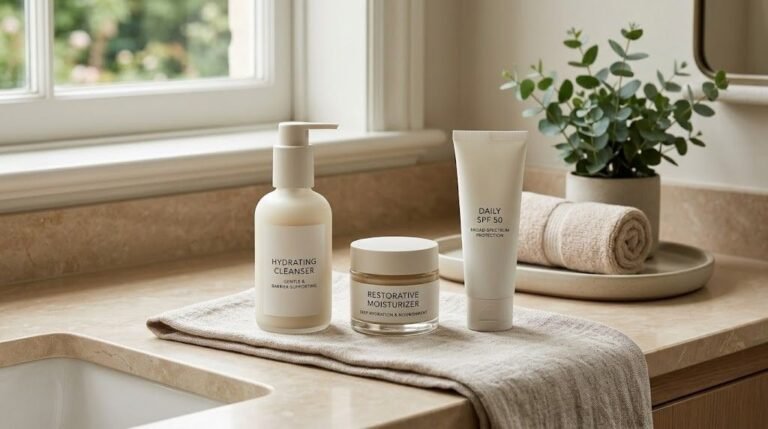
Use a gentle, non-stripping cleanser before retinol application to ensure a clean surface without compromising the skin barrier. Avoid harsh exfoliating cleansers or those with high concentrations of AHAs or BHAs on nights you plan to use retinol, as combining these actives too soon can cause over-exfoliation.
Step 2: Dry Skin Completely
Wait 20 to 30 minutes after cleansing, or ensure skin is fully dry, before applying retinol. Applying retinol to damp skin increases absorption and irritation risk because water disrupts the skin barrier and allows the ingredient to penetrate more aggressively than intended.
Step 3: Apply Retinol
Use a pea-sized amount for the entire face, applying retinol in gentle, upward strokes. Avoid the eye contour and lip area initially, as these regions have thinner skin and are more prone to irritation. Once your skin has adapted after several weeks, you can introduce a specially formulated low-concentration retinol eye cream if desired.
Step 4: Moisturize
Apply a hydrating, fragrance-free moisturizer immediately after retinol to buffer sensitivity and support the skin barrier. Look for formulas containing ceramides, peptides, hyaluronic acid, or niacinamide, as these ingredients complement retinol’s effects and reduce dryness during the adjustment period.
Step 5: AM Sunscreen
SPF 30 or higher every morning is non-negotiable when using retinol. Retinol increases photosensitivity, meaning your skin is more vulnerable to UV damage, which would undermine all the anti-aging benefits you’re working to achieve. Apply sunscreen as the final step in your morning routine, even on cloudy days or when staying indoors.
Long-Term Retinol Strategy for Lasting Results
Sustaining and deepening retinol benefits over time requires a thoughtful long-term approach. The most significant clinical changes occur after six months or more of continued use, so patience and consistency are essential.
Increasing Concentration Gradually
Once your skin has fully adapted to a beginner concentration, typically after three to six months, you can step up to an intermediate strength of 0.3% to 0.5%. After another six months at this level, advanced users may choose to increase to 0.5% to 1.0% retinol or consult a dermatologist about prescription tretinoin. Each increase should be gradual, with a month or more at the new concentration before increasing frequency or strength again.
Complementary Ingredients
Retinol pairs well with several other anti-aging actives that amplify its benefits. Hyaluronic acid provides hydration that plumps the skin while retinol rebuilds structure. Niacinamide supports the skin barrier and reduces inflammation during the retinization period. Peptides signal additional collagen production, working synergistically with retinol’s collagen-stimulating effects. Ceramides repair and strengthen the skin barrier, which can become compromised during the early weeks of retinol use. Avoid using AHAs, BHAs, or vitamin C on the same night as retinol until your skin is fully acclimated, as combining these actives too soon can cause irritation.
If this landed somewhere real, the Coven is where the conversation continues. We go deeper in the newsletter — more of this kind of writing, less of everything else. Join us below.
Common Retinol Mistakes to Avoid
Even with a well-researched approach, several common missteps can undermine retinol’s effectiveness or cause unnecessary irritation.
- Using too high a concentration too soon triggers excessive retinization, including redness, flaking, and sensitivity that can discourage continued use
- Applying retinol to damp skin increases irritation risk because water disrupts the skin barrier and allows overly aggressive penetration
- Skipping sunscreen negates retinol’s photoaging benefits by allowing UV damage to undo the collagen repair retinol is creating
- Expecting overnight results and abandoning use before the three to six month mark prevents you from seeing the cumulative benefits that define retinol’s effectiveness
- Mixing retinol with AHAs or BHAs on the same night before skin is acclimated causes over-exfoliation and barrier damage
- Applying too close to the eye contour causes sensitivity in delicate periorbital skin, which has a thinner epidermis and less oil production
- Using retinol every night from the start rather than building up gradually overwhelms the skin and increases irritation risk unnecessarily
Retinol as Part of a Complete Anti-Aging Routine
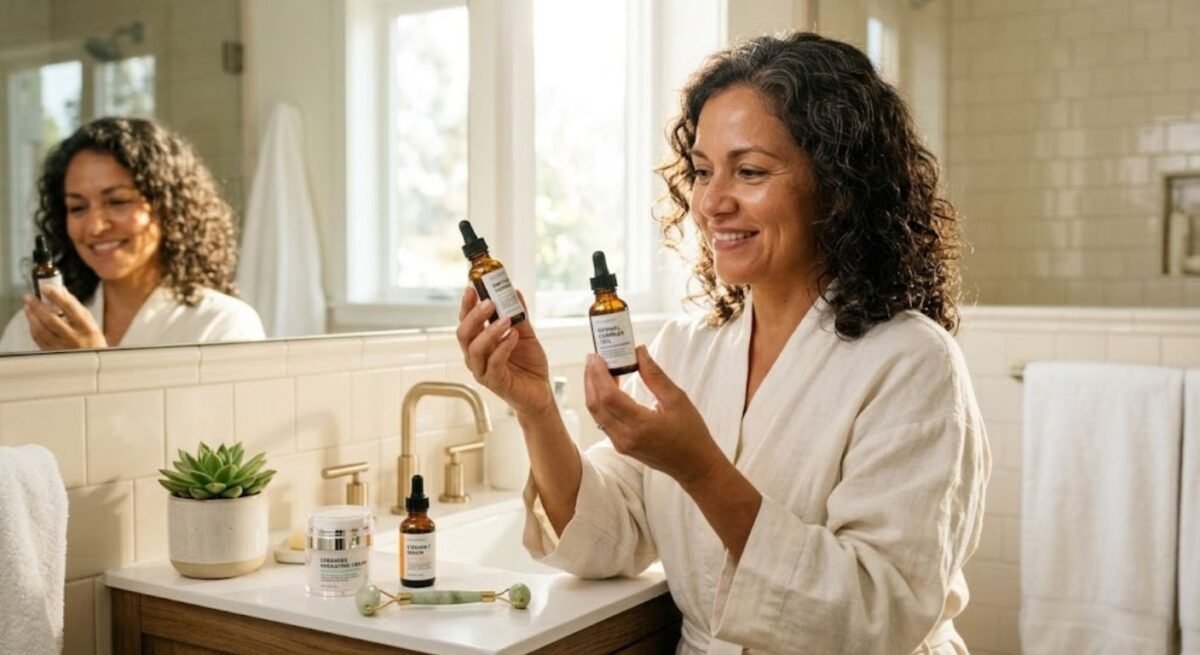
Retinol anchors a broader mature skin strategy but works best when integrated into a cohesive, consistent regimen. Position retinol as the engine of your anti-aging routine, but support it with complementary steps that protect and enhance its effects. Antioxidant protection from vitamin C in the morning shields skin from free radical damage during the day. Barrier repair from ceramides and peptides supports skin health during the retinol adjustment period. Targeted hydration from hyaluronic acid keeps skin plump and comfortable. Consistent sun protection with SPF 30 or higher prevents new UV damage while retinol repairs old damage. Retinol alone delivers significant results, but its benefits multiply when integrated into a thoughtful, multi-step routine that addresses aging skin from multiple angles.
Frequently Asked Questions About Retinol for Over 40
Q: How long does retinol take to work on mature skin?
A: Retinol typically requires three to six months of consistent use to produce visible results in fine lines, tone, and texture. The most significant improvements, including firmness and collagen rebuilding, often appear at six to twelve months of regular application. Early changes like smoother texture and reduced dullness may appear within weeks, but structural improvements in collagen and elastin take longer to manifest.
Q: What concentration of retinol should women over 40 start with?
A: Most dermatologists recommend starting at 0.025% to 0.1% retinol, used two to three nights per week, with gradual increases in both frequency and concentration as tolerance builds. Starting low and building slowly makes retinol accessible even for sensitive or dry mature skin types and reduces the risk of excessive irritation that might discourage continued use.
Q: Can retinol make skin worse before it gets better?
A: The retinization process, which includes initial dryness, flaking, and mild redness, is normal and typically resolves within four to six weeks. This temporary adjustment period occurs as your skin adapts to increased cell turnover and collagen production. Retinization is not the same as an allergic reaction, and it should gradually improve as your skin builds tolerance.
Q: Is retinol safe for sensitive or post-menopausal skin?
A: Low concentrations, the buffering method where you apply moisturizer before retinol, and reduced frequency make retinol accessible for even reactive mature skin types. Post-menopausal skin benefits from retinol’s collagen-stimulating effects but needs extra care during the adjustment period. Using encapsulated or slow-release retinol formulations can reduce irritation while still delivering active retinoic acid to the skin.
Q: What is the difference between retinol and tretinoin?
A: Retinol is available over the counter and must be converted by the skin into retinoic acid to become biologically active, making it gentler but slightly slower-acting. Tretinoin is prescription-strength retinoic acid that bypasses the conversion process, binding directly to retinoic acid receptors in skin cells. Tretinoin delivers faster and more potent results but also carries a higher irritation risk, making retinol the better entry point for most women over 40.
Q: Can retinol be used around the eyes?
A: Specially formulated low-concentration retinol eye creams can be used around the eyes, but caution is required around the thinner periorbital skin. Wait until your facial skin has fully adapted to retinol before introducing it to the eye area, and always use a product specifically designed for this delicate region.
Final Thoughts
Retinol’s unmatched clinical pedigree as the most research-backed over-the-counter anti-aging ingredient makes it an essential component of any mature skincare routine. The evidence is clear: retinol stimulates collagen production, accelerates cell turnover, suppresses the enzymes that degrade skin structure, and delivers measurable improvements in wrinkles, tone, firmness, and hydration. With patience, consistency, and the right formulation tailored to your skin type, retinol can meaningfully reverse visible signs of aging while preventing further structural decline.
The long-term value of retinol lies not just in its ability to improve how your skin looks today, but in its power to slow the aging process for years to come. Starting in your 40s allows you to intervene before collagen loss becomes severe, maintaining a more youthful appearance with less aggressive interventions down the line. The investment you make in a quality retinol product and a consistent routine pays dividends in skin health, confidence, and long-term anti-aging results.

Discover more from The Harpy Nest
Subscribe to get the latest posts sent to your email.