
Skincare for Eczema-Prone Skin: Stop the Itch-Scratch Cycle
This post contains affiliate links. If you buy through them, I may earn a small commission — at no extra cost to you.
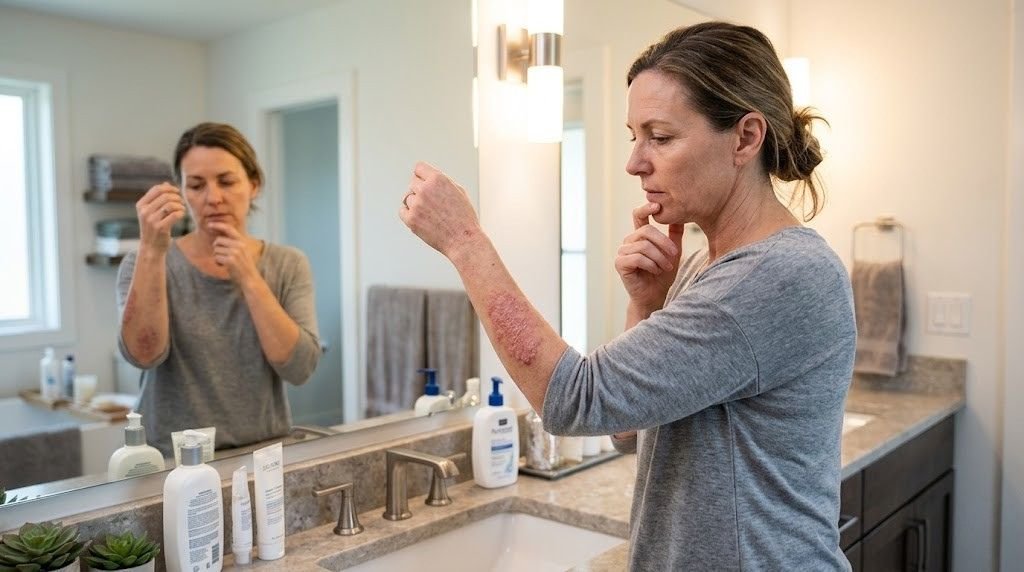
Skincare for eczema-prone skin can feel like an exhausting guessing game. You find something that seems to help, and then a week later your skin is angrier than before. The cracking, the raw patches, the 3 a.m. scratching sessions nobody warned you about: these are real, and they wear you down. What often makes things harder is that some products marketed specifically for sensitive skin may actually contain ingredients that trigger flares rather than calm them. Atopic dermatitis affects roughly 10 to 20 percent of children and up to 3 percent of adults worldwide, which means millions of people are searching for answers and getting mixed results. The good news is that the itch-scratch cycle, as miserable as it is, can often be interrupted with a consistent, evidence-backed routine.
Key Takeaways
- The itch-scratch cycle is a physical loop: Scratching physically damages the skin barrier, increases water loss, and triggers inflammation through immune signals like IL-4, IL-13, and IL-31, which makes eczema harder to control over time.
- Moisturizing is the first line of defense: Applying thick emollients twice daily, especially right after bathing, can reduce flare frequency by up to 50% compared to no treatment.
- Ingredient selection matters more than brand names: Ceramides, petrolatum, colloidal oatmeal, glycerin, and shea butter actively support barrier repair, while fragrances, dyes, and harsh preservatives often worsen dry skin barrier conditions.
- The “soak and seal” method works: Short lukewarm baths followed immediately by thick moisturizer trap hydration and have been validated by Harvard Health and AAD protocols as a core strategy.
- Prescription and OTC treatments have a role: Topical corticosteroids, calcineurin inhibitors like tacrolimus, PDE4 inhibitors, and JAK inhibitors are all supported by clinical guidelines for moderate cases that don’t respond to moisturizers alone.
- Lifestyle factors extend your results: Cotton clothing, fragrance-free detergents, bleach baths two to three times per week, and humidifier use during dry winter months can significantly cut flare frequency when combined with a consistent skincare routine.
1. Why the Itch-Scratch Cycle Is So Hard to Break
If you have ever woken up scratching without even realizing you were doing it, you already understand what researchers mean when they describe atopic dermatitis as a self-reinforcing loop. Scratching may feel like relief in the moment, but it triggers a cascade of physical and immune responses that make the underlying problem much worse.
The Biology Behind the Loop
When you scratch eczema-affected skin, you physically disrupt the skin barrier, which is already compromised in people with atopic dermatitis due to mutations in the filaggrin gene. This disruption increases trans-epidermal water loss, which accelerates dryness, and activates epithelial cells, immune cells, and neurons in a neuroimmune response that floods the area with pro-inflammatory cytokines including IL-4, IL-13, and IL-31. IL-31 in particular is strongly linked to the sensation of itch, which means scratching literally signals your body to itch more. The cycle intensifies at night because skin temperature rises in bed and anti-inflammatory cortisol levels drop, leaving the immune response largely unchecked. Research published in PMC has confirmed that early, consistent moisturizer use in at-risk individuals can prevent this cycle from taking hold by maintaining barrier integrity before a flare begins.
2. Recognizing the Signs That Your Routine Is Making Things Worse
Many people with eczema spend months using the wrong products before realizing the routine itself is contributing to the problem. Knowing what to look for can save a lot of frustration and unnecessary damage to your skin.
Sign A: Burning or Stinging After Cleansing
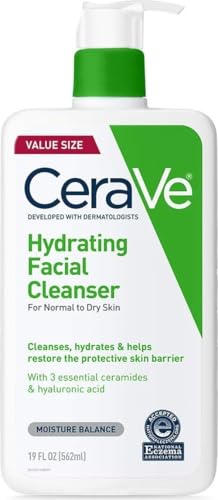
A burning or stinging sensation after washing is one of the clearest signs that a cleanser is too harsh for eczema-prone skin. WebMD notes that foaming cleansers with sulfates strip natural oils and raise the skin’s pH, both of which weaken the dry skin barrier and set the stage for a flare. If your face or body feels tight and uncomfortable after washing, the cleanser is very likely removing lipids your skin needs. Switching to a pH-balanced, non-foaming syndet like CeraVe Hydrating Cleanser or Cetaphil RestoraDerm is often the first practical step.
Sign B: Flares That Follow Product Application
When a flare appears within hours or a day of using a lotion, cream, or serum, the product may contain a hidden irritant. The National Eczema Association identifies fragrances, dyes, lanolin (in people with a lanolin allergy), and certain preservatives like methylisothiazolinone as frequent triggers. Just because a product says “natural” or “soothing” on the label does not mean it is safe for atopic dermatitis. Reading the full ingredient list and looking for products that carry the NEA Seal of Acceptance gives you a more reliable starting point than marketing language.
3. Choosing the Right Ingredients for Barrier Repair
Picking an eczema moisturizer is not just about finding something thick. The ingredients inside determine whether a product actively repairs your skin barrier or simply sits on top of it. Clinical research has identified several categories of ingredients that restore lipids, draw water into the skin, and calm surface inflammation.
Occlusives and Humectants: The Foundation of Skin Hydration
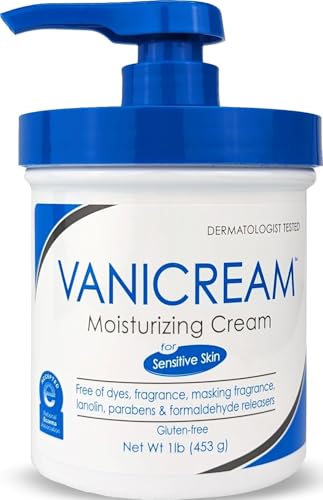
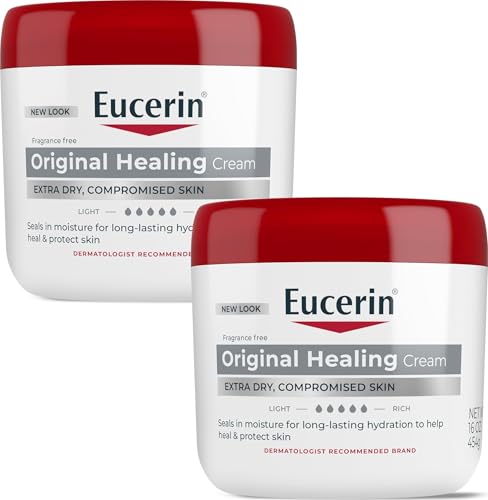
Occlusives like petrolatum and mineral oil form a physical seal over the skin surface, which drastically reduces trans-epidermal water loss. Petrolatum remains a go-to recommendation in AAD clinical guidelines for atopic dermatitis. Humectants like glycerin, hyaluronic acid, and low-dose urea at 5% complement occlusives by actively drawing water from the deeper layers of the skin to the surface, keeping cells plump and reducing the dryness that drives itch. Using both categories together delivers more sustained skin hydration than either type alone. Products like Vanicream and Eucerin Original Healing Cream combine these components in concentrations that have been shown to reduce flare frequency with consistent use.
Barrier Repair Actives: Ceramides, Shea Butter, and Colloidal Oatmeal
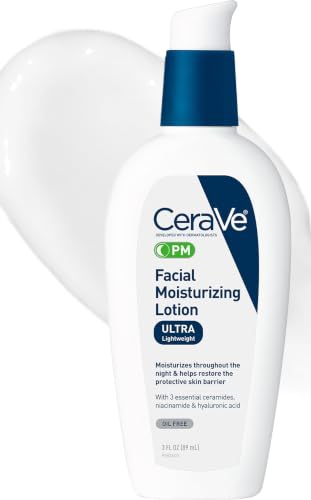
Ceramides are lipids that naturally make up a large portion of the skin barrier, and people with eczema often have significantly reduced levels of them. Research published in PMC supports the use of ceramide-containing moisturizers as a way to restore these lipids and reduce the frequency of eczema flare-ups. Shea butter adds emollient softening and has some mild anti-inflammatory activity, making it a useful ingredient in barrier repair creams. Colloidal oatmeal is one of the only FDA-recognized OTC skin protectants for eczema and has well-documented soothing and anti-inflammatory properties that can calm itch within minutes of application. Niacinamide and panthenol, often found in products like CeraVe PM Lotion, support the skin’s ability to produce its own structural proteins over time, which is especially useful for filaggrin-deficient skin.
4. What Clinical Guidelines Say About Eczema Treatment
The American Academy of Dermatology (AAD) and the American Academy of Allergy, Asthma and Immunology (AAAAI) both publish evidence-based guidelines for managing atopic dermatitis, and they agree that daily moisturizers are not optional. They are the foundation of every treatment plan, regardless of whether a person is managing mild dryness or severe flares.
OTC and Prescription Treatment Options
For mild to moderate eczema, AAD and AAAAI guidelines support topical corticosteroids like hydrocortisone ointment as a first-line anti-inflammatory treatment, used sparingly and for short periods to avoid skin thinning. Calcineurin inhibitors like tacrolimus (Protopic) and pimecrolimus (Elidel) are preferred for sensitive areas such as the face and eyelids because they do not carry the thinning risk associated with topical steroids. The PDE4 inhibitor crisaborole (Eucrisa) offers a non-steroidal option for mild to moderate cases, while JAK inhibitors like ruxolitinib cream have shown strong results for facial eczema in clinical trials. AAAAI guidance also supports wet wrap therapy during active flares, where damp bandages are applied over topical treatments and then covered with dry wraps to improve absorption. For any prescription treatment, working with a dermatologist is the safest path forward.
5. Building Your Daily Eczema-Prone Skincare Routine
A consistent routine does not need to be complicated. The most effective approaches are built around two to three simple, well-chosen steps performed every day. Harvard Health and the AAD both confirm that the “soak and seal” method is one of the most reliable ways to interrupt the itch cycle and support overnight repair.
Step 1: Cleanse Without Stripping
Use a fragrance-free, non-foaming syndet cleanser once or twice daily with lukewarm water. Hot water raises skin temperature and can trigger histamine release, worsening itch. Avoid loofahs, rough washcloths, or anything with exfoliating particles, as these physically damage skin that is already compromised. Cleveland Clinic recommends limiting bath or shower time to 10 to 15 minutes and patting skin dry gently with a soft towel rather than rubbing. Reliable options include CeraVe Hydrating Cleanser and Cetaphil RestoraDerm, both of which are pH-balanced and free of common irritants.
Step 2: Moisturize Immediately on Damp Skin
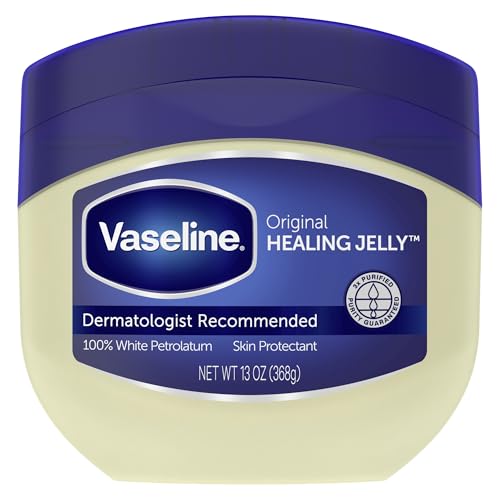
Applying a thick emollient or ointment within three minutes of stepping out of the bath or shower traps residual moisture and dramatically reduces trans-epidermal water loss. This is the “seal” portion of the soak and seal method and is considered by University of Miami Health to be one of the most effective ways to disrupt the itch-scratch cycle over time. Ointments like Vaseline or thicker creams like Vanicream Moisturizing Skin Cream tend to outperform lightweight lotions because they provide a more durable occlusive layer. Applying moisturizer at least twice daily, with the post-bath application being the most critical, has been shown to cut topical steroid reliance by approximately half in clinical studies. At night, a layer of petrolatum over any active treatment can maximize overnight barrier repair.
6. Long-Term Prevention and Lifestyle Strategy
Managing eczema-prone skin is not just about what you put on your body. Environmental factors, fabric choices, and household products can all quietly sabotage even the best skincare routine.
Bleach baths, made by adding half a cup of regular household bleach to a full bathtub of water, help reduce Staphylococcus aureus overgrowth on the skin, which is a known driver of eczema inflammation. NIH-supported studies suggest that two to three bleach baths per week can cut bacterial skin infections by about 50% in eczema patients, always followed by a thorough rinse and immediate application of thick emollients. Wearing soft cotton clothing and washing everything in fragrance-free, dye-free detergent removes two common contact irritants that many people overlook. Running a humidifier during dry winter months keeps indoor air from pulling moisture out of already vulnerable skin, and tracking personal triggers through a journal or app makes it easier to spot patterns before a full flare develops. WebMD also notes that antihistamines can help manage nighttime itch, giving the skin a better chance to repair itself during sleep.
Common Pitfalls in Eczema Skincare
Even well-meaning routines can go sideways when certain mistakes creep in. WebMD’s ingredient guide and Paula’s Choice both point to the same patterns showing up repeatedly in people who struggle to control their eczema.
- Using products with hidden fragrances: “Unscented” and “fragrance-free” are not the same thing. Unscented products may contain masking fragrances that still irritate sensitive skin. Always look for “fragrance-free” explicitly on the label.
- Applying moisturizer to completely dry skin: Waiting too long after bathing means the emollient has nothing to seal in. The window for maximum effectiveness is within three minutes of patting dry.
- Overusing topical steroids without a plan: Hydrocortisone ointment is effective short-term, but using it continuously without dermatologist guidance can thin the skin over time and reduce its effectiveness.
- Switching products too frequently: Most barrier repair ingredients need consistent use over several weeks to show measurable improvement, and frequent switching introduces new potential irritants constantly.
- Ignoring patch testing: Introducing a new product to inflamed or compromised skin without testing it on a small area first is a recipe for a flare. Apply any new product to the inner arm for a few days before using it broadly.
- Skipping nighttime moisturizer: Skin does most of its repair work overnight, and skipping the evening application leaves the barrier unprotected during a critical window.
Frequently Asked Questions About Skincare for Eczema-Prone Skin
Q: What is the best moisturizer for eczema-prone skin?
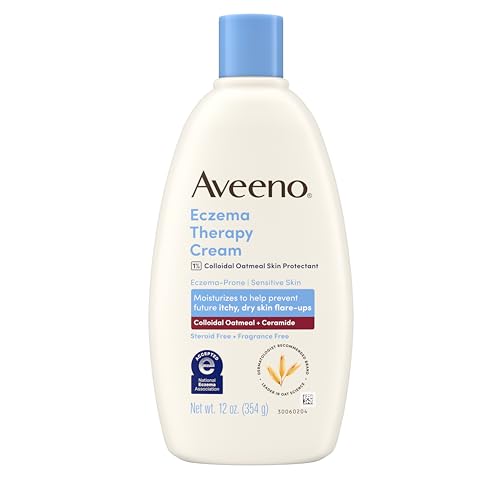
A: There is no single “best” option, but thick ointments and creams containing ceramides, petrolatum, or colloidal oatmeal tend to perform well in clinical settings. Products like Vanicream, Aveeno Eczema Therapy, and CeraVe Moisturizing Cream are frequently recommended in AAD guidelines because they combine barrier repair ingredients without common irritants. The most important factor is applying whatever you choose consistently and immediately after bathing.
Q: Can I use a regular body wash if I have atopic dermatitis?
A: Most standard body washes contain sulfates and fragrances that can strip the dry skin barrier and worsen atopic dermatitis symptoms. AAAAI recommends using a gentle cleanser specifically formulated without these ingredients. Non-foaming syndets that are pH-balanced, like Cetaphil RestoraDerm, are far less likely to trigger eczema flare-ups than conventional body washes.
Q: How do ceramides for eczema actually help?
A: Ceramides are lipids that make up a significant portion of the outermost layer of skin. In people with eczema, ceramide levels are often reduced, which compromises barrier function and allows moisture to escape while irritants get in. PMC research supports the topical application of ceramide-containing moisturizers as a way to replenish these lipids, reduce trans-epidermal water loss, and lower the frequency of flares over time.
Q: Are bleach baths safe for eczema, and how do they work?
A: Bleach baths, when properly diluted, are considered safe and are endorsed by dermatologists for managing eczema-prone skin with recurring bacterial infections. Staphylococcus aureus is commonly found on eczema-affected skin and worsens inflammation, and dilute bleach helps reduce this bacterial burden. NIH sources suggest two to three baths per week using approximately half a cup of regular bleach in a full tub of water, always followed by a thorough rinse and immediate application of thick emollients.
Q: What ingredients should I avoid in eczema skincare products?
A: Fragrances, dyes, lanolin (if you have a lanolin allergy), alcohol-based toners, and preservatives like methylisothiazolinone are some of the most common triggers identified by the National Eczema Association. Essential oils, even those marketed as natural, can also be potent irritants for sensitive skin. When in doubt, choosing products that carry the NEA Seal of Acceptance is a practical shortcut to finding formulas that have been reviewed for eczema safety.
Q: When should I see a doctor about my eczema rather than managing it at home?
A: If your eczema is not responding to over-the-counter moisturizers and gentle cleanser changes after several weeks, if you have signs of infection like oozing, crusting, or warmth, or if the itching is significantly disrupting your sleep or daily life, it is time to see a dermatologist. WebMD notes that prescription treatments including calcineurin inhibitors, crisaborole, and JAK inhibitors can make a significant difference for cases that do not respond to basic skincare alone.
Managing eczema-prone skin takes patience and consistency, but the path forward is clearer than it may seem after years of trial and error. The research behind barrier repair, emollient use, and ingredient selection is solid, and building a simple routine around proven components like ceramides, petrolatum, colloidal oatmeal, and glycerin can meaningfully interrupt the itch-scratch cycle over time. Pair that with smart lifestyle habits, gentle cleansers, and professional support when flares get out of hand, and you have a real strategy rather than a hope that the next product will finally work.
Shop This Post


Discover more from The Harpy Nest
Subscribe to get the latest posts sent to your email.