
What Can Squalane Hydration Do for Your Skin
This post contains affiliate links. If you buy through them, I may earn a small commission — at no extra cost to you.
Have you noticed your skin feeling tighter and drier than it used to, even when you’re using the same moisturizer that worked perfectly in your twenties? If you’re over 30, this isn’t your imagination. Your skin’s natural oil production, specifically a lipid called squalene, begins declining significantly in your late twenties and continues dropping throughout your thirties, forties, and beyond. This gradual depletion shows up as persistent dryness, dullness, increased sensitivity, and fine lines that seem to deepen overnight.
Squalane hydration offers a science-backed solution that works with your skin’s own biology rather than against it. Because squalane is molecularly identical to the squalene your body naturally produces, your skin absorbs it without resistance, making it one of the most effective and gentle hydrating ingredients available for mature skin. Whether you’re dealing with stubborn dehydration, a compromised moisture barrier, or the visible signs of aging skin, understanding how squalane works can transform your skincare routine and give you the resilient, glowing complexion you’re looking for.
Key Takeaways
- Natural Lipid Decline: Your skin’s natural squalene production drops significantly after your late twenties, making topical squalane essential for maintaining hydration and barrier function as you age.
- 40% Hydration Boost: Clinical research shows squalane can increase skin moisture levels by up to 40% while reducing trans-epidermal water loss (TEWL), providing both immediate and lasting hydration.
- Barrier Repair: Squalane replenishes the lipid content in your stratum corneum, reducing sensitivity, redness, and reactivity that become more common in skin over 30.
- Anti-Aging Benefits: Regular use supports collagen production, improves skin elasticity, and visibly reduces fine lines and wrinkles by providing deep, sustained hydration.
- Universal Compatibility: Squalane is non-comedogenic and suitable for all skin types, including oily, acne-prone, and sensitive skin, making it a versatile addition to any routine.
- Ingredient Synergy: Squalane enhances the effectiveness of active ingredients like retinol, vitamin C, and AHAs while reducing their potential irritation, making long-term use of these powerful actives more sustainable.
Why Squalane Hydration Matters for Women Over 30
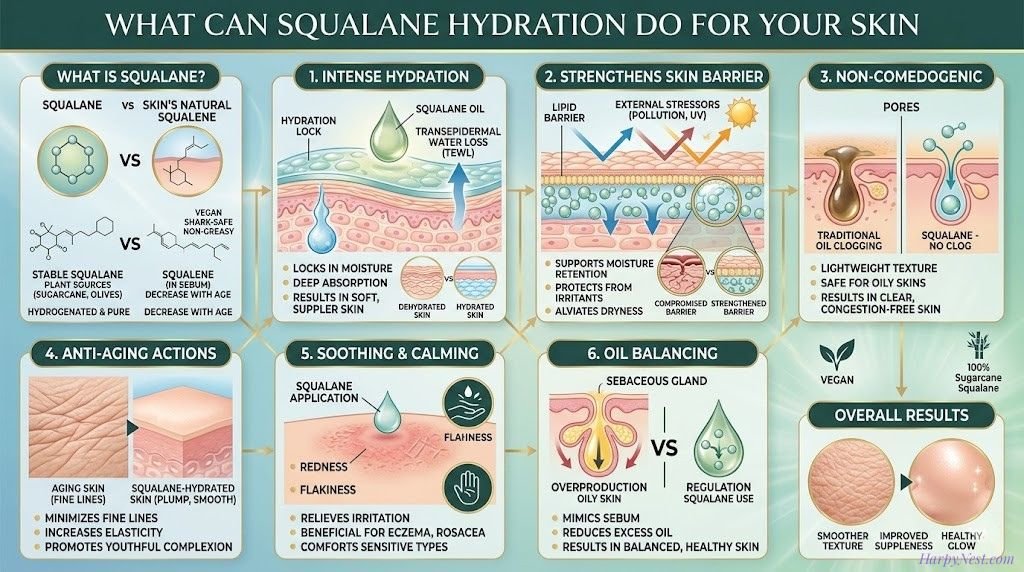
The biology of aging skin creates specific hydration challenges that younger skin simply doesn’t face. Understanding the difference between squalene and squalane is the first step in recognizing why this ingredient is so valuable for mature skin. Squalene is the natural lipid your skin produces to maintain moisture and protect itself from environmental stress, but it’s chemically unstable and oxidizes easily. Squalane is the hydrogenated, stable version used in skincare products, and it resists oxidation while delivering the same hydrating and protective benefits your skin needs.
The Natural Decline of Squalene After 30
Your body’s squalene production peaks during adolescence and begins declining in your mid to late twenties. By the time you reach your thirties, this drop becomes noticeable through changes in skin texture, hydration levels, and overall resilience. Hormonal shifts during perimenopause and menopause accelerate this decline even further, as estrogen loss directly impacts sebum production and lipid synthesis. The practical result is skin that feels drier, looks duller, shows fine lines earlier, and becomes more reactive to environmental stressors like pollution, UV exposure, and seasonal changes.
The Science Behind Squalane’s Biocompatibility
Because squalane is bioidentical to the squalene your body produces, your skin recognizes it immediately and absorbs it without resistance. This molecular compatibility means squalane integrates seamlessly into your skin’s lipid barrier, the protective layer that keeps moisture in and irritants out. Unlike synthetic moisturizers that sit on the surface or feel foreign to your skin, squalane works as a true lipid replenishment ingredient, filling the gaps created by declining natural production.
Signs Your Skin Needs Squalane Hydration
Recognizing the warning signs of lipid depletion can help you address dehydrated skin before it progresses to more serious barrier damage or accelerated aging. These indicators are especially common in women over 30 and often signal that your skin’s natural moisture retention has been compromised.
Persistent Dryness and Tightness
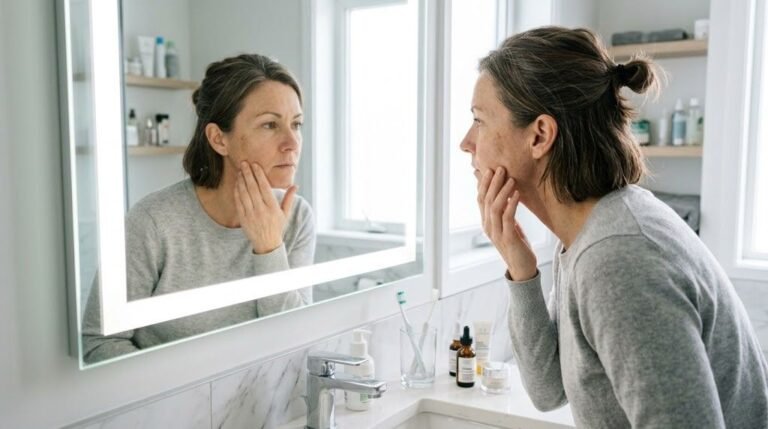
Skin that feels tight, uncomfortable, or dry even after applying your usual moisturizer is a hallmark sign of lipid depletion in the stratum corneum. This sensation indicates that your skin barrier lacks the oils needed to hold water in effectively, and surface hydration alone isn’t addressing the underlying issue.
Increased Sensitivity and Redness
A compromised lipid barrier allows irritants, allergens, and environmental aggressors to penetrate more easily, leading to reactive, inflamed, or easily flushed skin. Women with sensitive skin or conditions like rosacea and eczema often notice significant improvement when they restore barrier integrity with squalane.
Dullness and Uneven Texture
When lipid levels drop, skin cell turnover slows and the surface becomes rough, flaky, and lackluster. The emollient properties of squalane smooth this texture while supporting healthy cell renewal, giving skin a more radiant, even appearance.
Fine Lines That Worsen With Dehydration
Dehydration exaggerates the appearance of fine lines, making wrinkles look deeper and more pronounced. Women in their thirties and forties often notice lines around the eyes, mouth, and forehead becoming more visible as their natural moisture levels decline, and consistent hydration with squalane can visibly plump and soften these areas.
Squalane’s Hydration Benefits Broken Down by Skin Concern
Understanding exactly how squalane addresses specific skin issues helps you know what to expect and how to use it most effectively in your routine.
Concern A: Dehydration and Trans-Epidermal Water Loss
Clinical research confirms that squalane increases skin moisture by up to 40% and significantly reduces trans-epidermal water loss, the process by which water evaporates from your skin throughout the day. Squalane works as both an emollient, softening and smoothing the skin’s surface, and as a lightweight occlusive, sealing moisture in without the greasy heaviness of traditional petroleum-based products. Recommended action is to apply squalane after water-based serums to lock in hydration effectively and maximize moisture retention throughout the day and night.
Concern B: Damaged or Weakened Skin Barrier
Squalane replenishes the lipid content in your stratum corneum and accelerates barrier recovery, making it especially valuable if you’re using active ingredients like retinol, AHAs, or BHAs that can temporarily disrupt barrier function. Studies confirm that squalane enhances barrier recovery times without causing irritation or congestion. For best results, use squalane daily as part of both your morning and evening routines, especially when incorporating exfoliating actives or treating reactive skin conditions.
Concern C: Fine Lines and Loss of Firmness
The sustained deep hydration and collagen-stimulating properties of squalane visibly reduce fine lines over time while improving overall skin firmness. Because chronic dehydration makes wrinkles appear deeper, consistent use of squalane creates a plumping effect that smooths surface texture and supports the skin’s structural proteins. Pair squalane with a collagen-supporting serum or peptide treatment for amplified anti-aging results.
Concern D: Oily or Acne-Prone Skin Reluctant to Use Oils
Squalane regulates sebum overproduction by signaling to your skin that it’s adequately hydrated, reducing the compensatory oil production that often occurs with dehydrated skin. Despite being an oil, squalane is fully non-comedogenic and won’t clog pores or trigger breakouts. For oily or combination skin types, use just two to three drops of pure squalane in place of a heavier moisturizer for a balanced, non-greasy finish that controls shine without stripping your skin.
Squalane and Skin Health Standards
Beyond cosmetic benefits, squalane meets rigorous dermatological safety standards and has earned recognition from respected skin health organizations, making it a trusted choice for all skin types and conditions.
Dermatological Safety and Non-Irritancy
The Cosmetic Ingredient Review in 2019 confirmed squalane as safe, non-irritating, and non-sensitizing across all skin types, including those with compromised barriers or pre-existing skin conditions. This clean safety profile makes it appropriate even for highly reactive or medically managed skin.
Recognition by Skin Health Organizations
The National Eczema Association has formally recognized squalane for its protective, calming properties, lending it credibility well beyond general cosmetic marketing claims. This recognition confirms squalane’s ability to soothe inflammation, support barrier repair, and provide gentle hydration for even the most sensitive skin types.
Adjusting Squalane Use for Different Skin Types and Conditions
Customizing your squalane application based on your specific skin type, age, and concerns ensures you get maximum benefit from this versatile ingredient.
Dry and Mature Skin (40s and Beyond)
For very dry or mature skin with visible signs of aging, layer squalane over a hydrating serum containing hyaluronic acid or glycerin and under a richer moisturizer for maximum barrier reinforcement. This layering technique creates an optimal moisture sandwich, with water-based hydration sealed in by squalane and then protected by an additional occlusive layer during nighttime skin repair.
Oily, Combination, or Acne-Prone Skin
Use pure squalane as a standalone lightweight moisturizer, applying just two to three drops after cleansing and toning. This minimal application is sufficient to hydrate without triggering excess sebum production or breakouts, and many people with oily skin find they actually produce less oil once their skin is properly moisturized with squalane.
Sensitive, Reactive, or Condition-Prone Skin (Eczema, Rosacea)
Choose fragrance-free, pure squalane formulations without added essential oils or potential irritants, and apply squalane as a final step to reduce reactivity and seal in calming serums. For eczema-prone or rosacea-affected skin, squalane’s anti-inflammatory properties and barrier-supporting function make it an ideal daily treatment that soothes flare-ups and prevents moisture loss.
If this landed somewhere real, the Coven is where the conversation continues. We go deeper in the newsletter — more of this kind of writing, less of everything else. Join us below.
Getting the Most from Squalane Through Timing and Application
When and how you use squalane significantly impacts its effectiveness and the visible results you’ll see over time.
Morning Routine Application
Apply squalane after your water-based serums and before your broad-spectrum SPF to seal in moisture and provide a lightweight antioxidant defense layer before environmental exposure. Squalane creates a smooth base for sunscreen application and helps protect against free radical damage from UV radiation and pollution throughout the day.
Evening Routine Application
Use squalane at night when your skin undergoes its natural repair cycle, as this is when lipid replenishment and collagen support are most impactful. Nighttime application allows squalane to work synergistically with your skin’s circadian rhythm, supporting cellular renewal and barrier repair while you sleep.
Consistency Over Time for Measurable Results
Clinical benefits including improved elasticity, reduced fine lines, and enhanced barrier function are most measurable with consistent daily use over four to eight weeks. Set realistic expectations and commit to regular application morning and night to see the full anti-aging and hydrating benefits squalane can provide.
How to Incorporate Squalane Into Your Skincare Routine
Following a systematic layering process ensures squalane works effectively with your other skincare products rather than blocking their absorption or reducing their efficacy.
Step 1: Cleanse
Start with a gentle, non-stripping cleanser that removes impurities without disrupting your existing lipid barrier. Harsh cleansers can strip away natural oils and make dehydration worse, so choosing a pH-balanced, hydrating cleanser sets the stage for optimal squalane absorption.
Step 2: Apply Water-Based Serums First
Layer any water-based actives like vitamin C, niacinamide, or hyaluronic acid before applying squalane, since oil applied first will create a barrier that prevents water-based ingredients from penetrating effectively. This order ensures each ingredient can work at its full potential.
Step 3: Apply Squalane
Warm two to four drops of pure squalane between your palms and press gently into damp skin rather than rubbing, as this pressing motion supports even absorption into the lipid layer without disrupting the skin’s surface. The amount you need depends on your skin type, with drier skin requiring slightly more and oily skin needing just a few drops.
Step 4: Seal with Moisturizer If Needed
For very dry or mature skin, follow squalane with a richer moisturizer over the top for an enhanced occlusive effect, especially during nighttime when skin loses the most moisture. This extra layer isn’t necessary for normal to oily skin types but can make a significant difference for those dealing with severe dryness or compromised barriers.
Step 5: Always Finish Morning Routines with SPF
Complete your morning routine with broad-spectrum SPF 30 or higher to complement squalane’s UV-defense and antioxidant properties. While squalane helps counteract UVA-induced cell damage, it’s not a replacement for proper sun protection and works best as part of a comprehensive photoaging prevention strategy.
Long-Term Squalane Skincare Strategy
Building squalane into your routine as a foundational ingredient rather than a temporary treatment creates lasting improvements in skin health, hydration, and resilience over time.
Pairing With Actives for Amplified Results
Squalane works synergistically with retinol, vitamin C, and AHAs, enhancing their efficacy while mitigating the irritating side effects these powerful actives can cause. This pairing makes long-term active use more sustainable, allowing you to maintain an effective anti-aging routine without the chronic irritation that often causes people to quit using beneficial ingredients.
Routine Maintenance and Skin Monitoring
Track your skin’s hydration levels, texture, and sensitivity monthly to assess how well your routine is working and make adjustments as needed. As hormonal shifts occur through your forties and fifties, squalane’s role in your routine may need to increase in quantity or frequency, and staying attentive to these changes helps you maintain optimal skin health through every life stage.
Common Pitfalls to Avoid
Avoiding these frequent mistakes ensures you get the maximum benefit from squalane without wasting product or experiencing disappointing results.
Applying squalane before water-based serums creates an oil barrier that blocks their absorption, rendering expensive actives largely ineffective. Always apply squalane after your water-based treatments to lock them in rather than blocking them out.
Using too much product, more than four drops even for dry skin, offers diminishing returns and can feel heavy or leave an unwanted shine. Squalane is highly concentrated and a little goes a long way, so start with less and add more only if needed.
Expecting overnight results sets you up for disappointment, as clinical improvements in elasticity and fine lines require consistent use over several weeks. Give squalane at least four weeks of daily use before evaluating its full impact on your skin.
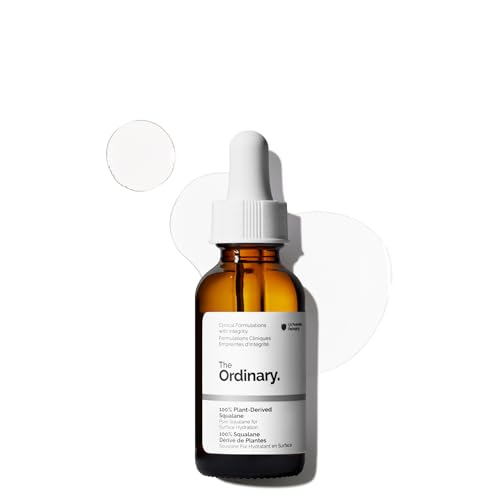
Choosing squalane products with added fragrances, essential oils, or irritating fillers undermines the soothing, gentle benefits that make squalane valuable in the first place. Look for pure, plant-derived squalane with minimal additional ingredients for the cleanest, most effective results.
Skipping SPF because squalane offers antioxidant protection is a serious mistake, as squalane is a complement to sunscreen, not a replacement for it. Always use broad-spectrum sun protection as your final morning step.
Dismissing squalane as unnecessary for oily skin is a common misconception that causes many women to miss out on its sebum-regulating benefits. Oily skin often produces excess oil because it’s dehydrated, and squalane can actually help normalize oil production over time.
Overall Skincare Routine Integration
Squalane is not a standalone miracle product but rather a foundational hydration ingredient that amplifies every other step in a well-designed skincare routine for women over 30. Its barrier-repair and emollient properties make active ingredients like retinol and vitamin C more effective by supporting the skin’s ability to tolerate these powerful treatments. Squalane reduces irritation from chemical exfoliants, provides the lipid replenishment that aging skin can no longer generate adequately on its own, and creates a protective layer that shields skin from environmental damage throughout the day. Building squalane into a complete morning and evening routine, rather than using it sporadically or as a spot treatment, creates a sustainable, science-backed anti-aging strategy that addresses the root causes of dehydration and accelerated aging rather than just masking symptoms.
Frequently Asked Questions About Squalane Hydration
Q: What is the difference between squalane and squalene?
A: Squalene is the unstable, naturally occurring lipid your skin produces, while squalane is its hydrogenated, stable form used in skincare products. The hydrogenation process removes squalene’s unstable double bonds, making squalane highly resistant to oxidation and far more shelf-stable for topical use. Squalane delivers the same hydrating and protective benefits as squalene but without breaking down or becoming rancid over time.
Q: Is squalane safe for sensitive or acne-prone skin?
A: Yes, squalane is non-comedogenic, non-irritating, and has been recognized by the National Eczema Association for its calming, protective properties. It’s appropriate for all skin types, including the most reactive, sensitive, and acne-prone skin. In fact, many dermatologists recommend squalane specifically for acne-prone skin because it provides necessary hydration without clogging pores or triggering breakouts.
Q: How long does it take to see results from squalane?
A: Immediate softening and hydration are noticeable within days of starting regular use, but deeper improvements in elasticity, fine lines, and barrier strength are most measurable after four to eight weeks of consistent daily application. The timeline depends on your skin’s condition when you start, with more compromised or dehydrated skin often showing faster initial improvements.
Q: Can I use squalane with retinol?
A: Absolutely, squalane is one of the best companion ingredients for retinol because it counteracts the dryness, flaking, and irritation retinol commonly causes. This pairing makes retinol more tolerable and sustainable for long-term use, allowing you to maintain an effective anti-aging routine without the chronic irritation that often forces people to discontinue beneficial actives.
Q: Should I use squalane in the morning or at night?
A: Use squalane both morning and night for optimal results. In the morning, squalane seals in hydration and provides antioxidant defense before you apply SPF. At night, it supports your skin’s natural repair cycle and maximizes lipid replenishment while you sleep, when skin cell renewal is most active.
Q: Is plant-derived squalane better than shark-derived squalane?
A: From a skincare performance standpoint, the benefits are equivalent regardless of source. However, plant-based squalane derived from sugarcane or olives is the ethical, sustainable standard in modern skincare formulations and what most reputable brands now use exclusively. Choosing plant-derived squalane supports environmental sustainability without sacrificing any of the ingredient’s hydrating or anti-aging benefits.
Final Thoughts
Squalane hydration is one of the most scientifically supported, universally compatible, and age-appropriate skincare ingredients available to women over 30 who are dealing with the visible effects of declining natural lipid production. From its clinically proven ability to increase moisture by up to 40% and reduce trans-epidermal water loss, to its barrier-repairing, collagen-supporting, and antioxidant properties, squalane addresses the full spectrum of skin changes that occur as squalene production declines with age. The molecular biocompatibility of squalane with your skin’s own lipids means it integrates seamlessly into your routine without causing sensitivity, congestion, or irritation, making it suitable for every skin type from dry and mature to oily and acne-prone.
For women navigating the skin shifts of their thirties, forties, and beyond, incorporating squalane into a consistent daily routine is not a passing trend but rather a long-term investment in skin health backed by dermatological research and clinical evidence. The earlier squalane becomes a routine staple, the more effectively it works to preserve hydration, strengthen barrier integrity, and maintain a resilient, glowing complexion through hormonal changes, environmental stress, and the natural aging process.
Discover more from The Harpy Nest
Subscribe to get the latest posts sent to your email.