
Hormonal Acne Over 40: How to Treat Breakouts Without Destroying Your Skin Barrier
This post contains affiliate links. If you buy through them, I may earn a small commission — at no extra cost to you.
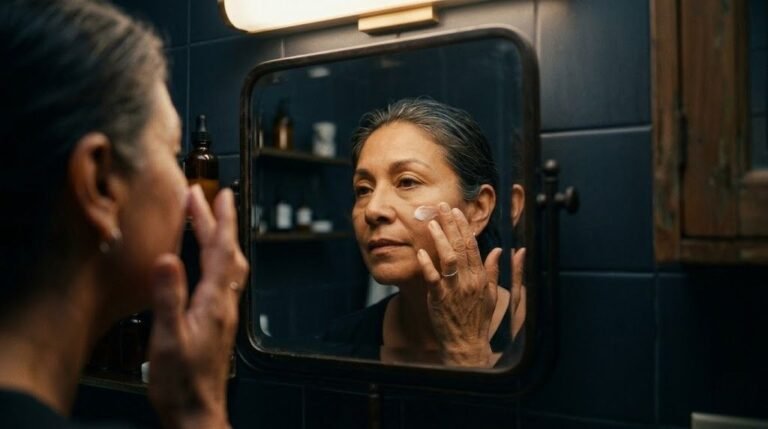
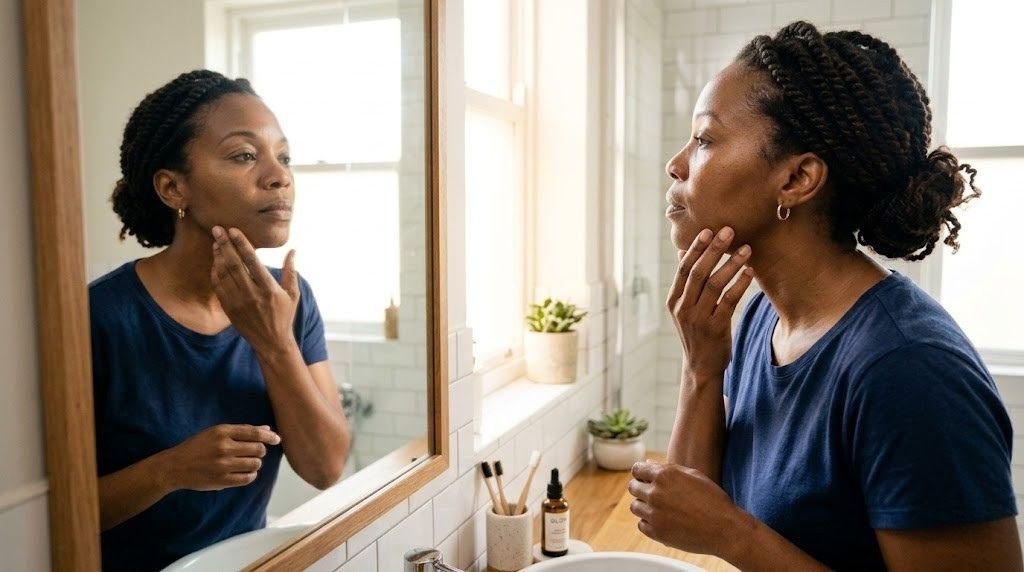
Nobody prepared me for the particular indignity of navigating hormonal acne over 40 while simultaneously dealing with fine lines, dryness, and a skin barrier that has apparently become extremely opinionated about what it will tolerate. The same decade that brings crow’s feet and frown lines also, in some kind of cosmic joke, brings cystic bumps along the jawline that could have come straight out of a sophomore year photo.
The acne advice that floods search results was written for a teenager with an oily T-zone and no competing concerns. It was not written for you, and applying it to your current skin is a bit like following a manual for a car you no longer own. This post is the one I needed two years ago: a practical, honest guide to treating menopausal and perimenopausal acne on skin that is simultaneously breaking out and drying out, without making either problem worse.
Why This Is Happening to Your Skin (And Why Nobody Warned You)
Here is the short, unfair version: estrogen declines during perimenopause, and androgens (testosterone and its relatives) do not decline at the same rate. That gap creates what researchers call relative androgen dominance, and your sebaceous glands respond to it by producing more sebum than they have in years. More sebum plus clogged pores plus an already-stressed skin barrier is a reliable formula for adult female acne, specifically the deep, inflamed, slower-healing kind that lives on the lower face.
Meanwhile, the estrogen you are losing did several things you probably took for granted: it supported collagen production, helped maintain moisture levels, and kept skin plump and elastic. Without it, the same skin that is producing excess sebum is simultaneously losing its ability to hold water and repair itself. You are dealing with two contradictory problems at once, which is why standard acne treatments so often make things worse. This is not teenage acne with extra steps. Perimenopausal acne is a genuinely different condition that requires a genuinely different strategy.
If you want a fuller picture of everything perimenopause is doing to your skin beyond just breakouts, Peri Paradox post on perimenopause skin changes covers the whole uncomfortable landscape.
The Jawline Is Not a Coincidence
Jawline acne over 40 has a specific cause: androgen receptors are concentrated in the lower face, particularly along the jaw, chin, and neck. When androgen activity spikes (or becomes dominant relative to estrogen), that is the territory it claims. If your breakouts cluster below the cheekbones and never really move north, hormones are almost certainly driving the pattern. Knowing this is useful because it confirms you are not doing something wrong with your routine. You are dealing with an internal signal that your skin is faithfully executing.
Is Standard Acne Advice Making Things Worse?
The default acne protocol tends to go something like this: use a stripping cleanser, apply a high-percentage benzoyl peroxide or salicylic acid treatment, follow with the lightest moisturizer you can stand, and repeat until clear. On a 22-year-old with a robust, resilient skin barrier and genuinely oily skin, this can work. On perimenopausal skin, this protocol is an act of aggression. Stripping an already-compromised barrier triggers more sebum production as a defensive response, creates inflammation that slows healing, worsens the appearance of lines and texture, and turns reactive skin into genuinely sensitized skin that struggles to tolerate anything at all.
The approach that actually works for acne after 40 uses effective actives at sensible concentrations, prioritizes barrier health rather than fighting it, and accepts that this is not a problem you can brute-force into submission.
How to Build a Routine That Actually Works
Think of this less as a prescription and more as a framework. Perimenopause skincare is genuinely a puzzle, not a protocol, and what works brilliantly for your skin in January may not be what your skin needs in July. The products below are options worth knowing about, across a range of price points and formulation philosophies, because being open to what works (and what your budget allows) matters more than finding the single correct answer.
Step 1: Cleanse Without Stripping
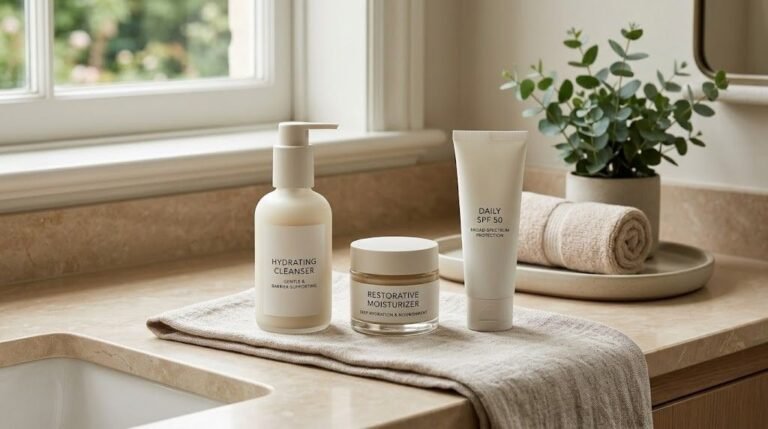
The cleanser is not a neutral step. A cleanser that is too harsh will strip your acid mantle, disrupt your microbiome, and set up the rest of your routine for failure before it starts. For acne-prone perimenopausal skin, you want a low-percentage salicylic acid cleanser with a gentle, non-foaming or low-foam formula that clears pores without turning your face into parchment.
The COSRX Salicylic Acid Daily Gentle Cleanser is formulated around betaine salicylate rather than standard salicylic acid, which gives it a milder, more gradual exfoliating action. It suits reactive, drier, or more sensitive skin particularly well, and it does not feel like it is fighting your face.
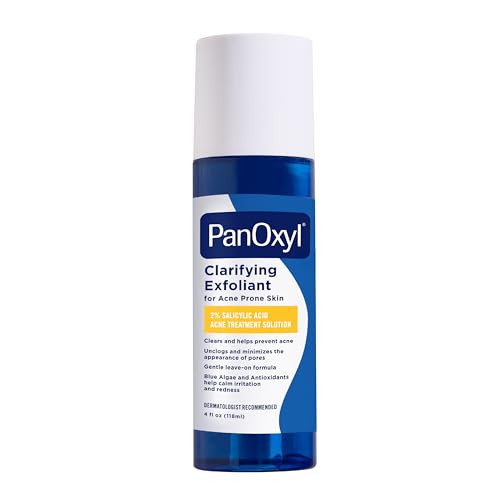
The PanOxyl Clarifying Exfoliant Cleanser works differently: it uses salicylic acid as its active, which is a more aggressive approach with stronger antibacterial action. If dryness and sensitivity are significant concerns for you, this one warrants a cautious start. If your skin leans oilier, especially around the chin and jaw, and you want a harder hit on bacteria, it earns its place.
Step 2: Target Without Torching
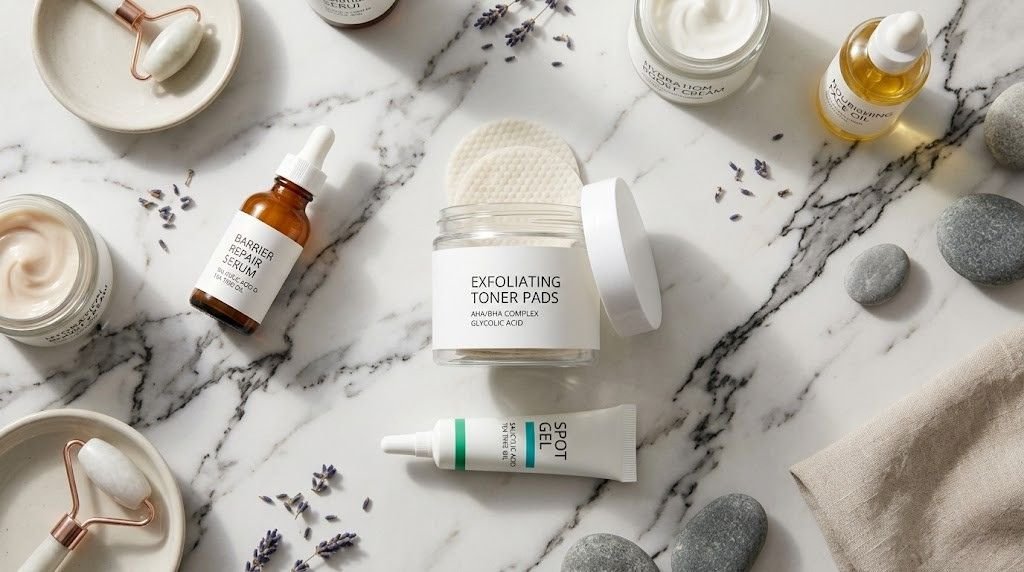
This step is where most people overcorrect. The instinct is to pile on the actives, use the highest concentration available, and treat the whole face like a problem to be solved. That logic does not serve skin that is already compromised. For hormonal acne treatment for women navigating perimenopause, the better approach is targeted and measured: treat the breakout zones without nuking everything around them.
The Neutrogena Rapid Clear Stubborn Acne Spot Gel is exactly what it sounds like: a direct-application spot treatment with 10% benzoyl peroxide for the moments when you need a fast response on a specific eruption. Use it precisely, not broadly, and give your barrier a chance to recover between uses.
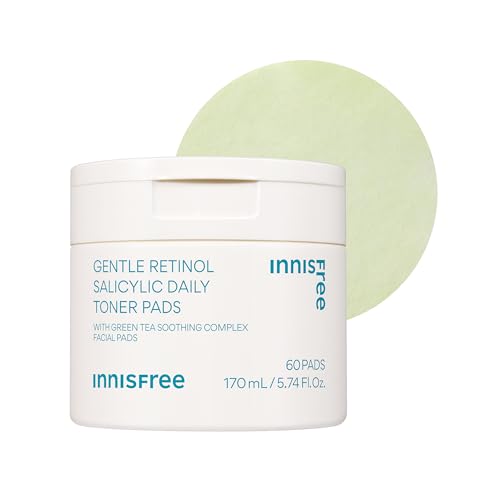
The Innisfree Daily Gentle Retinol Salicylic Toner Pads take a different route. The combination of low-dose retinol and salicylic acid in a toner pad format delivers a lighter, more even-handed exfoliation across the whole lower face, which makes them better suited to people who want zone treatment rather than spot treatment, or who find that their breakouts are more diffuse. The dual-active format sounds intense but is genuinely formulated for regular use, which counts for a lot on skin that does not bounce back from chemical overload the way it once did.
A firm rule: do not use both in the same routine. Pick the job you need done that day and do it with one product.
Step 3: Calm and Regulate With Niacinamide
Niacinamide earns its place in a mature acne routine for several reasons at once. It regulates sebum production, supports barrier repair, has mild anti-inflammatory action that helps quiet the kind of reactive redness perimenopausal skin is prone to, and fades post-breakout hyperpigmentation. That last one matters more than it did at 25, because acne after 40 leaves marks that take considerably longer to resolve.
The Ordinary Niacinamide 10% + Zinc 1% is the bluntest instrument in this category, which is not a criticism. Ten percent niacinamide is a clinically meaningful concentration, zinc adds additional sebum-regulating support, and the price point means you will actually use it consistently rather than rationing it. It can feel slightly tacky on very dry skin, worth noting.
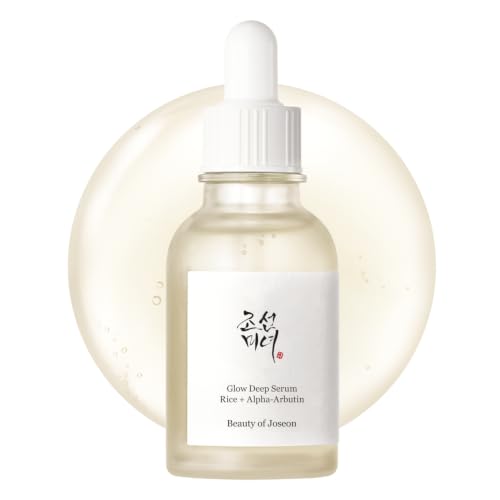
The Beauty of Joseon Glow Serum works with 2% niacinamide alongside alpha-arbutin, which means the concentration is lower but the overall formula is more skin-brightening and more comfortable on drier or more reactive skin. If The Ordinary formula ever gives you a flushing reaction (a small percentage of people experience this, usually from layering it with vitamin C), the Joseon serum is a graceful sidestep.
Step 4: Moisturize. No, Seriously, Moisturize.
I know. You have acne. Moisturizing feels like feeding the enemy. It is not. A dehydrated, barrier-compromised skin surface produces more sebum as a compensatory response, clogs more easily, and heals more slowly. Skipping moisturizer to keep acne-prone perimenopausal skin “clean” is a reliable way to make both the dryness and the breakouts worse. This is one of those counterintuitive truths that becomes very obvious once you stop fighting it.
The goal is a moisturizer that is non-comedogenic, hydration-forward, and not heavy with occlusive oils or pore-clogging emollients.
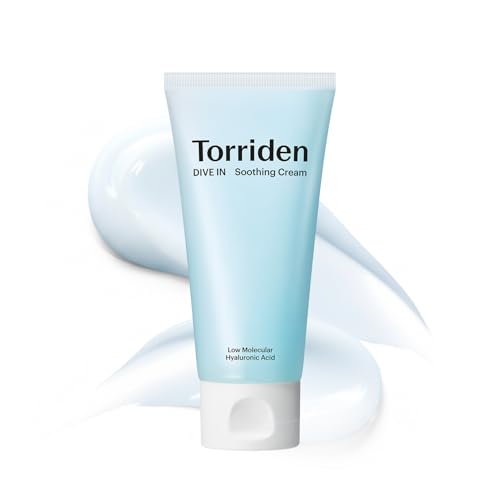
The Torriden DIVE-IN Soothing Cream is built around low-molecular-weight hyaluronic acid, which draws water into the skin without sitting on top of it. The texture is comfortable enough for year-round use on combination skin and calming enough for reactive skin post-treatment. It does not feel like a compromise.
The Neutrogena Hydro Boost Gel-Cream occupies a similar space and is considerably easier to find at a drugstore at ten o’clock on a Tuesday, which is a genuine virtue. The gel-cream texture is well-tolerated by oily-leaning skin, and it layers well under SPF without turning the finish into a grease situation.
Step 5: Retinoids, Done Right for Mature Skin
Retinoids are doing double work in this routine: they unclog pores, regulate cell turnover, reduce acne inflammation, and simultaneously address the fine lines and texture concerns that are also very much on the agenda. The issue is that most retinoid advice defaults to either the extreme (prescription tretinoin, full strength, every night, push through the purge) or the overly cautious (a vitamin A derivative so gentle it cannot move the needle). Mature acne-prone skin needs the middle path.
Start slow. Every third night is not cowardice, it is strategy. Buffering, meaning applying your retinoid after moisturizer rather than before, reduces irritation significantly on reactive or dry skin. Your skin barrier is already under pressure. There is nothing to prove by accelerating.
The COSRX The Retinol 0.1 Cream is formulated as a cream at a low concentration of retinol, which makes it a reasonable entry point for anyone who has been burned by stronger formulas before. The cream base provides some built-in buffering.
Differin Gel 0.1% Adapalene is a different category of retinoid entirely. Adapalene is a third-generation retinoid that specifically targets the receptors involved in acne rather than general cell turnover, which means it is more targeted on breakouts and genuinely less irritating than equivalent-strength retinol or tretinoin. It is OTC. It has decades of clinical data behind it. It is very likely the most underrated acne product on a drugstore shelf, and it belongs in any serious conversation about hormonal acne treatment for women.
A note on prescription routes: if OTC options are not moving the needle, this is worth a conversation with a dermatologist. Spironolactone, an oral medication that blocks androgen receptors, has a long track record on adult female acne and is particularly effective on the hormonal, cystic, lower-face pattern we are talking about. Clascoterone (Winlevi) is a topical antiandrogen that works via the same mechanism but applied directly to the skin, which is a meaningful option for anyone who cannot or prefers not to take an oral medication. Neither replaces a good routine, but either might be the missing piece.
If this landed somewhere real, the Coven is where the conversation continues. We go deeper in the newsletter — more of this kind of writing, less of everything else. Join us below.
The Stuff You’re Probably Wondering
Why am I suddenly getting acne in my 40s?
Hormonal shifts during perimenopause cause estrogen to decline faster than androgens, creating a state of relative androgen dominance. Androgens stimulate sebaceous glands, increasing oil production in skin that is simultaneously losing moisture and resilience. The result is menopausal acne: a specific, hormonally driven condition that has nothing to do with your diet, your stress habits, or anything you are doing wrong.
Is hormonal acne common during perimenopause?
More common than most people expect and significantly underreported. Studies suggest that adult female acne affects roughly 40 to 55 percent of women in their 20s and 30s, with rates continuing into perimenopause and beyond. Many women experience their first or worst adult breakouts during this transition, often because they have never encountered perimenopausal acne framed as a distinct condition before.
What is the best treatment for hormonal acne over 40?
There is no single best treatment, and I would be suspicious of anyone who tells you otherwise. A layered approach works best: a gentle BHA cleanser, targeted salicylic acid or low-percentage retinoid treatment, niacinamide for regulation and repair, and a non-comedogenic moisturizer that supports barrier function rather than undermining it. For persistent or cystic cases, prescription spironolactone or topical clascoterone (Winlevi) are options worth discussing with a dermatologist.
Does spironolactone work for hormonal acne?
Yes, and it works specifically well on the jawline and lower-face cystic pattern that characterizes adult female acne. Spironolactone is an aldosterone antagonist that also blocks androgen receptors, which directly addresses the hormonal driver of this type of breakout. It typically requires several months to show results and is not appropriate for everyone, so the conversation belongs with a doctor who can weigh your full picture.
Why does hormonal acne show up on the jawline?
Androgen receptors are more densely concentrated in the lower face, specifically the jaw, chin, and neck area. When androgen activity rises relative to estrogen during perimenopause, those receptor-rich areas respond by producing more sebum and becoming more prone to congestion and inflammation. Jawline acne over 40 is almost always a hormonal pattern, not a hygiene or product issue.
What skincare routine is best for menopausal acne?
The best routine for menopausal acne treats breakouts without compromising barrier function. That means a gentle BHA or benzoyl peroxide cleanser, a low-concentration targeted treatment (salicylic acid, adapalene, or a low-dose retinoid), niacinamide serum for sebum regulation and hyperpigmentation, a non-comedogenic hydrating moisturizer, and a retinoid introduced slowly for both acne and aging concerns. SPF daily, without exception. The routine shifts seasonally and by year, so staying flexible about what your skin actually needs right now matters more than committing to any fixed protocol.
Shop This Post



Discover more from The Harpy Nest
Subscribe to get the latest posts sent to your email.