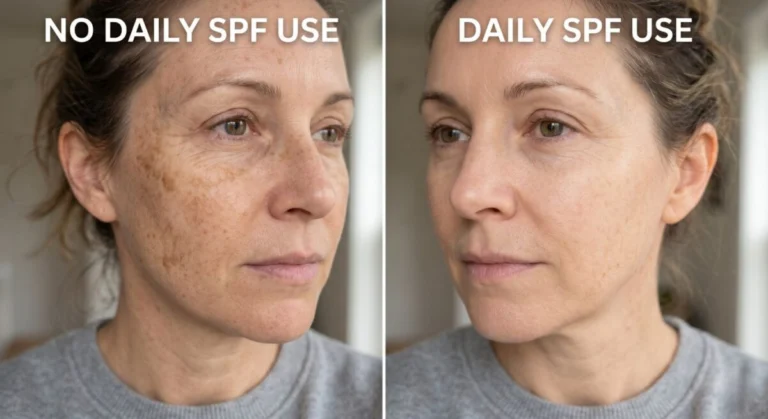


How to Choose the Best Toners for Combination Skin
This post contains affiliate links. If you buy through them, I may earn a small commission — at no extra cost to you.
Your T-zone looks like it could fry an egg while your cheeks feel like parchment paper. You bought a toner for oily skin and now half your face is staging a protest. The issue isn’t that you picked wrong—it’s that you’re treating combination skin like a single problem instead of what it actually is: two or three different situations happening on one face at the same time.
Why Combination Skin Makes Toner Selection Confusing
Here’s the thing about combination skin: it’s not static. What’s slick today might be balanced by Thursday, depending on your cycle, the weather, or whether you just started that new retinol. Most toner advice assumes you have one skin type doing one predictable thing. You don’t. And pretending otherwise is why you keep buying products that work great on 60% of your face and wreck the other 40%.
The good news? A toner—or more accurately, a small rotation of toners—can actually help you manage this. They can be layered, used in different zones, or swapped out entirely based on what’s happening that week. The flexibility is the entire point. But first you need to stop looking for “the one” and accept that you’ll probably need two or three in rotation.
Step 1: Identify What Each Zone Is Actually Doing Right Now
Before you buy anything, look at your T-zone and your cheeks separately. Actually look. Is that shine on your forehead actual oil, or is your skin overcompensating for dehydration? Are those dry patches on your cheeks legitimately flaky, or just tight?
Quick checks: Press a blotting paper to your T-zone midday. If it comes away clear, you’re not as oily as you think. Notice how your face feels thirty minutes after cleansing—if it’s tight everywhere, you’re stripping it. If only your cheeks feel uncomfortable, that’s your combo pattern showing up.
You’re not locked into one diagnosis forever. Check in weekly, especially when seasons shift or your routine changes. What your skin was doing last month isn’t necessarily what it’s doing now.
Step 2: Match Toner Function to Zone Needs
Toners aren’t all doing the same job, which is exactly why they work for combination skin when you use them strategically. Here’s what you’re actually choosing between:
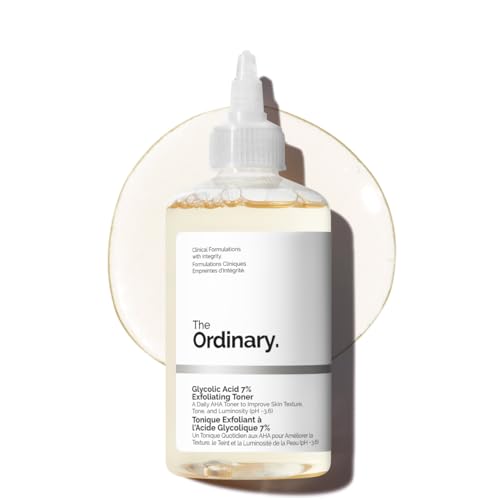
Exfoliating or resurfacing toners handle congestion and texture in oily zones. These are your acid-based options—glycolic, lactic, PHA—that keep pores clear and turnover moving. [AFFILIATE LINK: The Ordinary Glycolic Acid 7% Toning Solution | Sephora] is the straightforward pick when your T-zone is actively congested. It’s not gentle, but that’s sometimes what the situation requires.
Hydrating or essence-style toners add moisture without weight, which is what dry patches need and what oily zones can usually tolerate. These are typically packed with humectants like hyaluronic acid or fermented ingredients. They plump without making you greasy.
Soothing or pH-balancing toners are your reset button. Use these when nothing’s particularly angry but you want a calm, neutral base. [AFFILIATE LINK: Anua Heartleaf 77% Soothing Toner | Amazon] is this in bottled form—it’s what I reach for after I’ve overdone acids or when my whole face just needs to settle down.
The benefit of combination skin is that you can own options and rotate them based on need, not stick to one bottle out of misguided loyalty.
The Case for Layering
Sometimes you need two toners in one routine: exfoliating on your T-zone, hydrating on your cheeks. Or double-layering a hydrating toner on dry areas while using it once everywhere else. This isn’t extra—it’s responsive. Your face has different needs in different places. Treating it that way isn’t complicated; it’s just accurate.
→ Speaking of which: How to layer skincare
Step 3: Test, Observe, Adjust
If you’re uncertain about a new toner, use it on one zone first. Give it three to five days, not one application and a judgment. Watch for these signs:
Increased oil production usually means the toner is too stripping and your skin is overcompensating. Tightness or irritation means it’s too strong for that area right now. Zero change means the active ingredient isn’t targeting what your skin actually needs.
[AFFILIATE LINK: HaruHaru Wonder Black Rice Hyaluronic Toner | YesStyle] is a good starter if you’re trying to figure out whether your dry zones will accept hydration without getting greasy. It’s light enough to test without committing to heavy moisture.
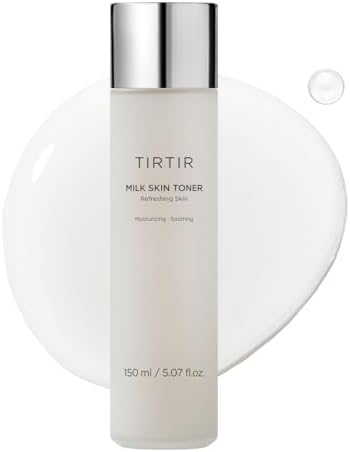
[AFFILIATE LINK: TirTir Milk Skin Toner | Amazon] has a milky texture that somehow works across both oily and dry zones when you want glow without grease—useful when you’re still figuring out your patterns.
When your skin changes—and it will, whether from season, stress, or new actives—your toner should change with it. What works in winter won’t work in July. This is normal.
→ This pairs nicely: The best serums for combination skin
What This Looks Like in Practice
I keep three toners in rotation. Most days I use an essence-style one all over because my skin is generally calm and just needs hydration. Twice a week I use an exfoliating toner on my T-zone only, where I’m prone to congestion. And when I’ve irritated my face with too much enthusiasm—retinol, acids, the usual suspects—I switch to a purely soothing toner until things settle.
[AFFILIATE LINK: Beauty of Joseon Ginseng Essence Water | YesStyle] is my default hydrating layer when I’m not sure what else to do. It’s not solving a specific problem; it’s just keeping things comfortable and plump, which is often exactly what combination skin needs.
This isn’t complicated. Combination skin isn’t a problem that needs solving—it’s just a rotation that needs managing.
The Reality of Best Toners for Combination Skin
The best toners for combination skin are the ones that let you respond to what’s happening today, not what happened last week. Stop searching for a one-bottle solution that magically balances every zone at once. Get comfortable with rotating products, layering strategically, and swapping things out when the seasons change.
Your skin will stop fighting you when you stop treating it like it should behave the same way in every area, every day. Observe what’s actually happening. Match your toner to that. Adjust when things shift. That’s it.
Shop This Post



If this landed somewhere real, the Coven is where the conversation continues. We go deeper in the newsletter — more of this kind of writing, less of everything else. Join us below.
Discover more from The Harpy Nest
Subscribe to get the latest posts sent to your email.