

Hydration Solutions for Hormonal Skin in Summer
This post contains affiliate links. If you buy through them, I may earn a small commission — at no extra cost to you.
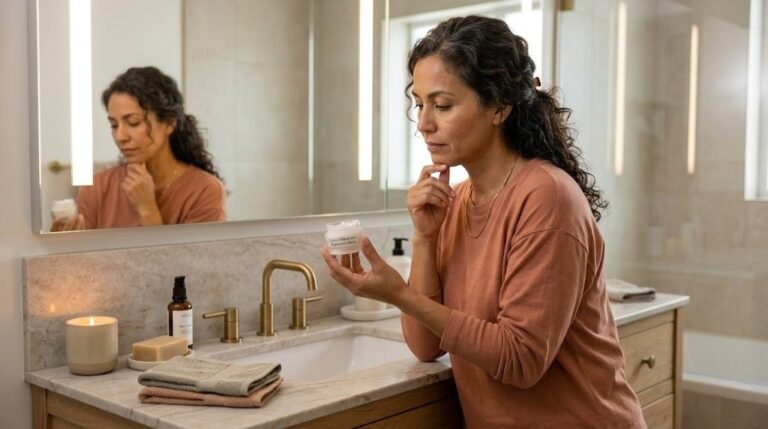
Finding the right summer moisturizer over 40 feels like it should be simple, until you apply something that works beautifully for forty-five minutes and then completely disappears, leaving your skin tight, dull, and somehow both dry and shiny at the same time. If that cycle sounds familiar, you are not imagining it, and you are not doing anything wrong. Your skin after 40 is operating under a completely different set of rules than it did at 30, and most moisturizers on the market were not formulated with those rules in mind.
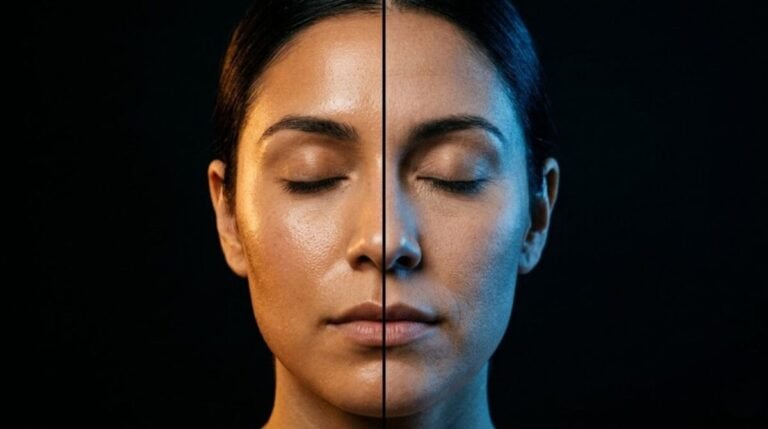
Estrogen decline during perimenopause and menopause reduces collagen production, lowers natural oil output, and weakens the barrier function that keeps moisture locked where you actually need it. Add summer heat, sun exposure, and humidity, and you get what dermatologists call double dehydration: hormonal dryness stacked on top of environmental dehydration.
The Harpy Nest covers this specific problem for women with mature hormonal skin. Every product mentioned here has been tested under real summer conditions, heat, humidity, sweating, and all, and every affiliate relationship is disclosed upfront. What follows is written specifically for women in perimenopause, menopause, and post-menopause who are tired of moisturizers that evaporate and want to know exactly what to do about it.
Key Takeaways
- What this covers: A complete summer moisturizer strategy for hormonal skin over 40, including ingredients, formula types, application techniques, and internal hydration support.
- Who it’s for: Women in perimenopause, menopause, or post-menopause experiencing double dehydration from hormonal dryness and summer heat; ages 40 to 65; skin types ranging from combination to very dry.
- What affects cost: Ingredient quality such as ceramide concentration and hyaluronic acid molecular weight variety, formula type, brand positioning, and whether SPF is included. A quality gel-cream ranges from $18 to $65; a complete routine runs $80 to $200.
- How we work: The Harpy Nest tests products under real summer conditions, discloses all affiliate relationships, and focuses exclusively on what works for mature hormonal skin, not general audience trends.
- Process timeline: Read this page, identify your skin signals, match ingredients to your needs, select a formula type, apply generously and frequently, then monitor for two to four weeks and adjust if needed.
- How to start: Use the ingredient checklist and formula comparison below to narrow your options, then read the product selection section for label-reading tips.
Why Hormonal Skin Reacts Differently in Summer
Most skincare content treats summer dryness as a simple weather problem. For women with mature skin, it is a hormone problem that summer makes worse.
When estrogen drops during perimenopause and menopause, skin becomes thinner, loses elasticity, and struggles to retain moisture. Research published in the Journal of Integrative Dermatology confirms that hypoestrogenism directly impairs skin barrier function, which is why even a moisturizer that worked well two years ago may now feel completely inadequate. Oil production progressively decreases from age 40, and female skin is more affected by declining estrogen than male skin, meaning that protective layer you once had is significantly diminished. The skin barrier, which functions like a brick-and-mortar wall keeping moisture in and irritants out, becomes compromised. An hour after applying moisturizer, skin can feel tight and dry again because the barrier itself is not holding anything in place.
Summer adds its own layer. Sun exposure, heat, and outdoor activity all pull moisture from skin faster than your product can replace it. Dermatologists working with mature patients consistently note that dry air and hormonal changes create a compounding effect that requires more water intake, higher application frequency, and more concentrated formulas than women used in their thirties. The fix is not simply buying a more expensive product. It is buying the right kind of product, applying the right amount, and supporting it from the inside out.
Read Your Skin’s Summer Signals First
Before reaching for any product, your skin is already telling you what it needs. If your moisturizer disappears within thirty minutes and skin feels tight again within an hour, your current formula lacks the occlusives to seal anything in. If fine lines look more pronounced by midday, you are losing moisture faster than you are replacing it. Redness after outdoor time often points to heat sensitivity combined with barrier damage. Breakouts alongside dryness usually mean you are still using a heavy winter cream that is trapping heat and bacteria in pores that can no longer breathe in humidity. Itching or a prickly sensation is a sign of extreme dehydration and barrier damage, not just regular dryness.
The Ingredient Checklist for Summer Moisturizer Over 40
This is where most buying decisions go wrong. Women over 40 with hormonal skin need barrier-repair ingredients, not just surface-level hydrators. A product can feel moisturizing for an hour and still contain nothing that repairs the underlying problem.
Hormonal skin loses approximately 40% of its natural ceramides during menopause, making ceramide-containing moisturizers far more effective than basic hyaluronic formulas alone. The minimum ceramide concentration worth buying is 2%, and the most effective formulas combine ceramide 1, 3, and 6-II together because these three work on different layers of barrier structure. Without ceramides, a moisturizer may hydrate the skin temporarily but does nothing to stop that moisture from escaping an hour later. That is exactly the cycle most women with hormonal dryness are stuck in.
For humectants, hyaluronic acid with multiple molecular weights does something a single-weight formula cannot. High molecular weight hyaluronic acid stays at the surface and provides immediate plumping. Low molecular weight penetrates deeper and provides more lasting hydration. The ideal concentration is 1 to 2%. Glycerin, the gold-standard humectant, works even in low-humidity conditions by drawing water from deeper skin layers to the surface. An ideal formula contains both together, roughly 1 to 2% hyaluronic acid and 3 to 5% glycerin. Niacinamide at 2 to 10% serves three specific functions for hormonal skin: it regulates sebum production so dry areas do not trigger excess oil elsewhere, reduces hyperpigmentation from age spots, and stimulates ceramide production in the skin. Start with 2 to 5% if you have never used it before.
Additional ingredients worth looking for include squalane, which mimics natural skin oil and absorbs completely without heaviness or pore-clogging in humidity. Peptides support collagen production without the sun sensitivity that retinol can cause in summer heat. Antioxidants like vitamin E, ferulic acid, green tea extract, and vitamin C neutralize free radicals from sun exposure that would otherwise degrade the barrier further. Bakuchiol, a plant-derived retinol alternative at 0.5 to 1%, offers comparable collagen support without increasing sun sensitivity, making it a practical swap for summer months.
Ingredients to Avoid in Summer
Equally important is what not to buy. Heavy silicones like cyclopentasiloxane or dimethicone above 5% trap heat and can trigger breakouts even on dry skin when humidity rises. Mineral oil and thick petroleum jelly belong in winter, not in a summer formula for mature skin. Alcohol denat. in high concentrations strips moisture and worsens barrier damage. Artificial fragrances are among the most common triggers for redness and irritation in menopausal skin. A fragrance-free moisturizer with a clean ingredient list will almost always outperform a beautifully scented formula on sensitive menopausal skin.
Formula Types: How to Choose for Your Skin and the Season
Not every lightweight moisturizer is right for hormonal skin, and not every heavier formula is wrong. The question is what your skin is doing right now, in current temperatures and humidity levels.
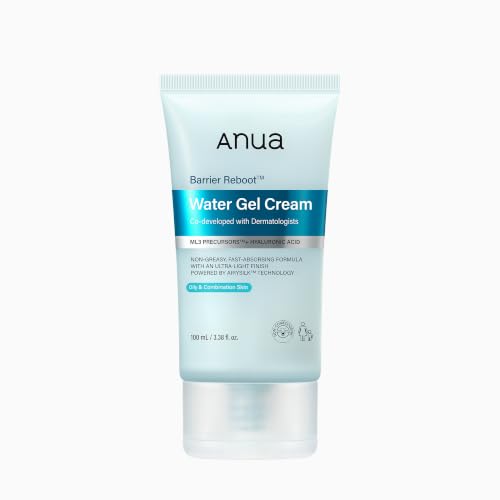
A gel-cream is the standard recommendation for peak summer heat, meaning June through August when temperatures consistently exceed 60°F and humidity is above 50%. It absorbs within 60 seconds, sits comfortably under sunscreen without pilling, and delivers ceramides and hyaluronic acid without any greasy residue. Dermatologists working with hormonal skin patients consistently recommend gel or water-based formulas containing hyaluronic acid, niacinamide, and ceramides for summer months. The molecular weight variety of hyaluronic acid matters here; a gel-cream with both high and low molecular weights will outperform one with only a single form, even if the price is similar.
A water-based lotion works well for sensitive or acne-prone hormonal skin, or for combination skin that leans oily. It is more breathable than a gel-cream and sits well under sunscreen, though it may need reapplication for women with very dry skin. A light cream suits combination skin during transitional months, particularly September and October when temperatures are dropping but have not yet hit winter levels. It provides more barrier support than a gel-cream while remaining light enough to avoid that suffocating feeling in lingering late-summer humidity.
A serum-moisturizer hybrid with multiple actives, hyaluronic acid plus niacinamide plus peptides, works for women with very oily hormonal skin who prefer minimal layering. It may not provide enough for those on the dry end of hormonal skin, and it works best in the morning paired with a richer night cream. An overnight hydrating mask applied as the final step once a week is a weekend repair treatment, not a daily product. It is most useful when skin feels extremely dry, has pronounced fine lines in the morning, or is in a low-humidity bedroom environment below 30%.
The 60°F Seasonal Rotation Rule
One of the most consistently overlooked parts of summer skincare for mature women is when to switch formulas. The rule is simple: when daily temperatures consistently exceed 60°F and humidity exceeds 50%, move to a lighter gel-cream or water-based lotion. When temperatures drop below 60°F and humidity falls below 30%, move to a richer cream. Your skin notices humidity changes two to three weeks before you consciously register them, which means the best time to start transitioning in September is before you think you need to. Using a heavy winter cream through a warm, humid summer is one of the fastest ways to end up with the oily-yet-dry combination that frustrates so many women over 40.
Your Complete Summer Moisturizing Routine
Application strategy matters as much as product selection, especially for mature hormonal skin. Most women with dry menopausal skin are applying too little product too infrequently, and no formula can compensate for that.
In the morning, start with a gentle hydrating cleanser that contains ceramides, glycerin, or hyaluronic acid. Use lukewarm water because hot water strips the barrier further and worsens the dryness you are trying to fix. After patting skin dry, apply an antioxidant serum, vitamin C or vitamin E with ferulic acid, to damp skin and wait two minutes. Then apply a half-teaspoon of your lightweight moisturizer to face and neck, pressing it into the skin rather than dragging. Follow with a mineral SPF 50 using non-nano zinc oxide above 10%, applying a quarter-teaspoon to the face. Wait five minutes before makeup. The antioxidant serum neutralizes free radicals from sun exposure before they can degrade your barrier throughout the day.
At midday, if skin feels tight outdoors, a facial mist with rose water, chamomile, or hyaluronic acid can provide immediate relief without disturbing sunscreen. Mist generously and let it evaporate naturally rather than wiping. If you are dealing with the oily-yet-dry situation, blotting papers work far better than wipes, and one or two drops of niacinamide serum on oily areas is more effective than powder makeup, which tends to emphasize dry patches.
In the evening, use the same gentle cleanser and double cleanse if you wore heavy sunscreen or spent extended time outdoors. A full teaspoon of a richer night cream with peptides applied to face and neck supports the barrier repair that happens during sleep. Skin repairs itself two to three times faster overnight, which makes the evening application the most productive one of the day. One to two nights per week, you can add bakuchiol or a 10% niacinamide treatment, but skip actives entirely if skin feels irritated or reactive.
Internal Hydration: What No External Moisturizer Can Replace
External products cannot compensate for a chronically dehydrated body, and this section gets skipped in most skincare guides, which is exactly why women do everything right topically and still struggle.
During menopause, the daily minimum for water intake is 2 liters, or roughly six to eight glasses, and hormonal changes can dull thirst signals, meaning you may not feel thirsty even when your body and skin need water. The most practical strategy is to stop waiting for thirst and drink on a schedule: 500ml within thirty minutes of waking, 250ml before each meal, 250ml every hour spent outdoors, and 250ml before bed. Setting phone reminders removes the guesswork.
Electrolytes matter too. A simple recipe that works well: one litre of filtered water with the juice of one to two lemons or limes, a quarter-teaspoon of high-quality sea salt or Himalayan salt, and one to two teaspoons of honey or maple syrup if desired. This replenishes sodium, potassium, and magnesium without the artificial colors and sweeteners in most store-bought electrolyte drinks, and the lemon provides vitamin C as a bonus antioxidant.
Eating water-rich foods daily also supports skin moisture from the inside. Cucumber at 96% water, watermelon at 92%, celery at 95%, strawberries at 91%, and oranges provide hydration alongside vitamins and antioxidants that work alongside your topical routine. Omega-3 fatty acids from walnuts, flaxseeds, and fatty fish reduce skin inflammation and keep it looking less dull and more radiant. Collagen supplements at 10g daily have shown measurable improvements in skin moisture levels and wrinkle depth over eight to twelve weeks, making them worth adding to a morning smoothie or coffee if you are not already using them.
Troubleshooting the Most Common Summer Moisturizing Problems
Even with the right products, things go sideways. Most problems with summer moisturizer over 40 fall into predictable patterns with straightforward solutions.
If your moisturizer disappears in thirty minutes, the formula lacks occlusives. Add two to three drops of squalane or jojoba oil mixed into your moisturizer, or layer a hyaluronic serum under a light moisturizer and finish with one drop of facial oil. Switching to a gel-cream with both ceramides and squalane is often the cleanest long-term solution. If skin feels oily but still dry underneath, you are likely still using a winter formula that is clogging pores in summer humidity. A niacinamide-based gel-cream at 2 to 5% niacinamide will address both issues at once.
Breakouts alongside dryness are almost always a sign of heavy occlusives trapping heat and bacteria. Switch to a non-comedogenic gel-cream and double cleanse at night to remove sunscreen completely. If redness appears after outdoor time, a cooling gel-cream applied after exposure, alongside a chilled jade roller, can reduce visible redness quickly. Products formulated specifically for reactive skin, with soothing ingredients like forest yeast extract or centella asiatica, are particularly effective for hormonal skin dealing with heat sensitivity. For pronounced fine lines in the morning, increase your evening moisturizer to a full teaspoon, add a hydrating mask once a week, and consider a bedroom humidifier set to 40 to 50% humidity.
How to Read a Moisturizer Label Without Getting Tricked
Most women pick a moisturizer based on the front of the package. The actual information is on the back, and once you know what to look for, label reading takes under three minutes.
The first five ingredients make up the bulk of the formula. If hyaluronic acid or sodium hyaluronate, ceramides, niacinamide, glycerin, and squalane or cholesterol are not in that first section, they are present in concentrations too low to do meaningful work. Ceramide concentration needs to hit 2% or higher to actually repair barrier function. Ceramide-containing moisturizers show approximately 40% better barrier function improvement compared to non-ceramide formulas, which is a significant difference when your baseline barrier is already compromised by estrogen loss. If the label lists ceramides somewhere in the middle or near the bottom, keep looking.
At the store, apply a small amount to your inner wrist. It should absorb within 60 seconds without leaving a greasy film, and after five minutes it should feel smooth, not heavy or suffocating. If it fails either test, it will not behave differently on your face in summer humidity.
What to Expect: A Realistic Timeline
Hyaluronic acid provides visible plumping within 60 seconds of application. Reduced tightness after cleansing typically appears within two to three days of consistent use. Fine lines look less pronounced and the barrier feels stronger after seven to ten days. Sustainable moisture retention, reduced redness, and better makeup application usually appear in the two-to-four week range. Full barrier repair with a ceramide-rich formula takes eight to twelve weeks of consistent daily use. If you are seeing breakouts, extreme redness, or worsening itch beyond five days, switch formulas rather than pushing through. Some formulas simply do not work for certain hormonal skin types, and that is a product mismatch, not a skin failure.
Frequently Asked Questions About Summer Moisturizer Over 40
Q: How much should I budget for summer moisturizer with hormonal skin?
A: A quality gel-cream for hormonal dryness over 40 ranges from $18 to $65 depending on ingredient concentration and brand positioning. Budget options at $18 to $35 will typically offer basic hyaluronic acid and glycerin. Mid-range options at $35 to $60 usually provide ceramides plus niacinamide plus peptides. Clinical or dermatologist-recommended brands run $60 to $200 for multi-active formulas with SPF. A complete summer routine including cleanser, serum, moisturizer, and sunscreen typically costs $80 to $200. The biggest price driver is ceramide concentration: formulas with 2% or more will cost more than those with 1% or less, and the performance difference is measurable.
Q: Why does my moisturizer feel fine at first but disappear within an hour?
A: The formula is providing surface-level hydration without repairing the barrier that is letting moisture escape. This is extremely common with hormonal skin because estrogen loss degrades the barrier’s ability to hold anything in. Adding ceramides at a minimum 2% concentration is the most direct fix, because ceramides physically rebuild the structure that keeps moisture in rather than just adding water to the surface. Layering also helps: applying hyaluronic acid serum to damp skin, then a gel-cream on top, then a drop of squalane creates multiple retention layers rather than depending on one product to do everything.
Q: Can I use the same moisturizer year-round once I find one that works?
A: Most women with mature hormonal skin benefit from seasonal rotation. Using a richer cream through peak summer humidity often creates the oily-yet-dry situation, where heavy occlusives trap heat and eventually trigger breakouts while skin still feels dry underneath. The 60°F rule is the simplest guide: when daily temperatures consistently exceed 60°F and humidity exceeds 50%, a lighter gel-cream or water-based formula will outperform your winter cream. Start transitioning in September, before temperatures fully drop, because your skin responds to humidity changes two to three weeks ahead of what you consciously notice.
Q: Do I actually need ceramides in a summer moisturizer, or is that a marketing claim?
A: The need is real. Hormonal skin loses approximately 40% of its natural ceramides during menopause, and without them the barrier cannot retain moisture regardless of how much hyaluronic acid a formula contains. Ceramides are the mortar between the bricks of skin cells. Humectants like hyaluronic acid draw water in, but ceramides are what keep it from evaporating right back out. A formula with both is dramatically more effective for the recurring tightness that hormonal skin experiences. The minimum concentration worth buying is 2%, and the ceramide 1 + 3 + 6-II combination addresses barrier repair across multiple layers.
Q: How much moisturizer should I actually apply, and does it matter?
A: It matters more than most women realize. Mature hormonal skin needs a generous application of roughly half a teaspoon for face and neck in the morning, and a full teaspoon in the evening. Most women apply a fraction of that and then wonder why the product underperforms. Apply to damp skin immediately after cleansing, press rather than drag, and do not skip the neck. The neck has fewer oil glands than the face and shows dehydration and fine lines especially quickly in summer.
Q: Should I use a moisturizer with SPF or keep sunscreen separate?
A: Separate sunscreen performs better for mature hormonal skin. To get adequate sun protection, you need roughly a quarter-teaspoon of SPF on the face alone, which means applying it at a volume equal to or greater than your moisturizer. When both are in the same product, most women apply too little to achieve the stated SPF. The more reliable sequence is half a teaspoon of lightweight moisturizer, a two-minute wait, then a quarter-teaspoon of mineral SPF 50 with non-nano zinc oxide above 10%. This also means your moisturizer can focus entirely on barrier repair rather than splitting its formula between hydration and sun protection.
Q: What about internal hydration? Does it actually affect how skin looks?
A: Yes, and most skincare guides skip this entirely. External moisturizers work at the surface, but chronic dehydration from insufficient water intake affects skin plumpness, fine line appearance, and barrier function from the inside. During menopause, thirst signals can become unreliable, meaning you may not feel thirsty even when your body needs water. The 2-liter daily minimum, paired with electrolytes and water-rich foods, creates the internal environment that lets your external moisturizer actually work. Omega-3 fatty acids and collagen supplements add measurable skin moisture benefits over eight to twelve weeks of consistent use.
Hormonal dryness over 40 is not a skincare failure, and it is not something you should be able to fix with whatever moisturizer worked at 32. Estrogen decline changes the rules, summer amplifies the problem, and most products on shelves were not designed with that combination in mind. The strategy that actually works comes down to a few non-negotiables: ceramides at 2% or higher to rebuild the barrier, multiple molecular weights of hyaluronic acid for both surface and deep hydration, niacinamide to regulate oil and strengthen barrier production, a gel-cream or water-based formula that absorbs in 60 seconds without suffocating pores, and consistent internal hydration that supports everything your topical routine is trying to do.
Women who follow this approach consistently report that the frustrating cycle of applying moisturizer and having it disappear within an hour gradually becomes a non-issue. Barrier function improves over eight to twelve weeks with the right ceramide formula, fine lines look less pronounced within one to two weeks, and the combination of the right products plus adequate water and electrolyte intake produces results that no single premium product can achieve alone.
Discover more from The Harpy Nest
Subscribe to get the latest posts sent to your email.