
The Best Eczema Skincare for Mature Skin
This post contains affiliate links. If you buy through them, I may earn a small commission — at no extra cost to you.
Eczema skincare products can feel overwhelming to sort through, especially when the wrong choice may trigger a flare rather than calm one. Eczema-prone skin requires a specific approach built around barrier repair and gentle, fragrance-free formulas rather than trendy ingredients. Dermatologists and clinical researchers have identified which products and routines consistently help sensitive skin stay calm, and understanding what your skin actually needs can make a meaningful difference in how often flares occur and how severe they feel.
Key Takeaways
- Ceramide-based moisturizers are foundational: Products with ceramides and hyaluronic acid help restore the skin barrier and reduce transepidermal water loss (TEWL) in eczema-prone skin.
- Apply moisturizer on damp skin: The best time to apply a fragrance-free moisturizer is within three minutes of bathing, when skin can absorb and seal in moisture most effectively.
- Fragrance is a top trigger: Fragrances, alcohol, and harsh soaps are among the most common irritants for sensitive skin and should be avoided in all skincare steps.
- Topical steroids are for flares, not daily use: Low-potency options like hydrocortisone 1% can calm active inflammation, but long-term unsupervised use may thin the skin.
- The National Eczema Association Seal matters: Products bearing the NEA Seal of Acceptance have been reviewed for ingredients that are safer for eczema-prone and sensitive skin.
- Severe cases need medical support: When OTC eczema moisturizers and routine care are not enough, prescription treatments like calcineurin inhibitors or biologics such as dupilumab may be appropriate.
1. Why Skin Barrier Repair Is the Foundation of Eczema Care
Eczema is a chronic inflammatory condition rooted in a compromised skin barrier that allows moisture to escape and irritants to enter. The American Academy of Dermatology identifies daily emollient therapy as the first line of management for atopic dermatitis, because without a functioning barrier, even mild triggers can set off a full flare. When skin cannot hold onto water, it becomes tight, cracked, and vulnerable to bacteria, allergens, and environmental irritants that drive further inflammation. PubMed research confirms that restoring hydration and reducing TEWL are central goals of any effective eczema skincare routine.
The Role of Ceramides in Skin Barrier Repair
Ceramides are lipids that naturally occur in the skin’s outer layer and make up a large portion of the barrier that holds moisture in. People with eczema tend to have lower ceramide levels, which contributes to dryness, cracking, and increased sensitivity. Replenishing them with ceramide-rich moisturizers like CeraVe Moisturizing Cream can help rebuild that barrier over time. Clinical reviews show that regular use of ceramide-containing products may reduce itch scores and extend the time between flares, making them one of the most evidence-backed choices for eczema-prone skin.
2. Recognizing What Triggers Eczema Flares
Flares are usually triggered by something in the environment, diet, or skincare routine. WebMD and the AAD both point to a consistent list of common culprits, many of which are hiding in everyday skincare products.
Ingredient-Based Triggers
Fragrances are among the most well-documented irritants for eczema-prone skin, and they appear in more products than most people realize, including products labeled “unscented.” Alcohol strips the skin’s natural oils and weakens the barrier. The AAD specifically recommends avoiding products with fragrances, dyes, and preservatives known to trigger contact dermatitis. Glycolic acid, salicylic acid, and retinol can also cause significant irritation on already inflamed skin and are generally not appropriate for active flares.
Environmental and Lifestyle Triggers
Dry indoor air, cold weather, sweat, and stress may all contribute to skin flare cycles. Harvard Health notes that temperature changes and low humidity are particularly hard on sensitive skin, especially during winter months. Wearing breathable, natural fabrics and using a humidifier in dry environments can support your skin barrier between product applications.
3. Choosing the Right Eczema Skincare Products
The National Eczema Association recommends thick ointments and creams over thin lotions because they provide more occlusive coverage and stay on the skin longer. Look for formulas that combine a humectant (to pull moisture in), an emollient (to soften skin), and an occlusive (to seal moisture). The following products are well-researched, widely available in the United States, and commonly used by people managing atopic dermatitis.
Top Dermatologist-Recommended Products
CeraVe Moisturizing Cream combines ceramides, hyaluronic acid, and glycerin into a non-comedogenic formula recommended by dermatologists for daily use on eczema-prone skin. Available at most drugstores for $15 to $20, it is widely cited as one of the best options for consistent barrier support.
Vanicream Moisturizing Cream is a hypoallergenic option free of dyes, fragrances, lanolin, and parabens, making it one of the safest choices for highly sensitive skin. It relies on petrolatum as its primary occlusive, which creates a strong seal against moisture loss without common irritants.
La Roche-Posay Lipikar Balm AP+ contains niacinamide, shea butter, and thermal spring water, offering 48-hour hydration and microbiome support. La Roche-Posay notes it is safe for infants and adults, making it a flexible option for families managing eczema.
Aveeno Eczema Therapy Cream features colloidal oatmeal, which has strong clinical backing for reducing itch and soothing inflamed skin, and it carries the NEA Seal of Acceptance. Its $10 to $15 price point makes it accessible for daily, multi-application use.
Cetaphil Restoraderm Soothing Moisturizer combines colloidal oatmeal, glycerin, and ceramides in a paraben-free formula that also holds the NEA Seal, and works well as both a face and body moisturizer.
When to Use Petrolatum and Occlusives
Pure petrolatum like Vaseline is one of the most effective occlusive agents available. Research published on PubMed confirms that petrolatum significantly reduces TEWL and supports barrier function. It works especially well as a final layer applied over a lighter moisturizer to lock everything in, particularly overnight when skin does much of its natural repair work.
If this landed somewhere real, the Coven is where the conversation continues. We go deeper in the newsletter — more of this kind of writing, less of everything else. Join us below.
4. Understanding Treatment Standards and Medical Guidelines
The AAD’s 2023-2024 atopic dermatitis guidelines set a clear standard for managing eczema based on severity. Mild cases are typically addressed with daily emollients and fragrance-free cleansers, while moderate cases may also require prescription-strength topical corticosteroids or calcineurin inhibitors such as tacrolimus. Severe or treatment-resistant atopic dermatitis may call for biologics like dupilumab or newer JAK inhibitors, which target the immune pathways driving inflammation.
Over-the-Counter Standards and the NEA Seal
For people who prefer OTC options, the NEA Seal of Acceptance offers a practical filter. Products carrying the seal have been reviewed to confirm they do not contain ingredients commonly known to irritate eczema-prone skin. According to the NEA, ingredients like colloidal oatmeal, ceramides, and shea butter have the best track record for calming itch and supporting the skin barrier. While the seal does not replace a dermatologist’s recommendation, it is a useful starting point when shopping on your own.
5. Building a Daily Eczema Skincare Routine
A consistent daily routine is more effective than reacting to flares after they start. The AAD recommends treating the skin barrier every single day, not just during active irritation. This approach reduces flare frequency, lowers the EASI (Eczema Area and Severity Index) score over time, and cuts down on how much topical steroid is needed for flare control.
Step 1: Gentle Cleansing
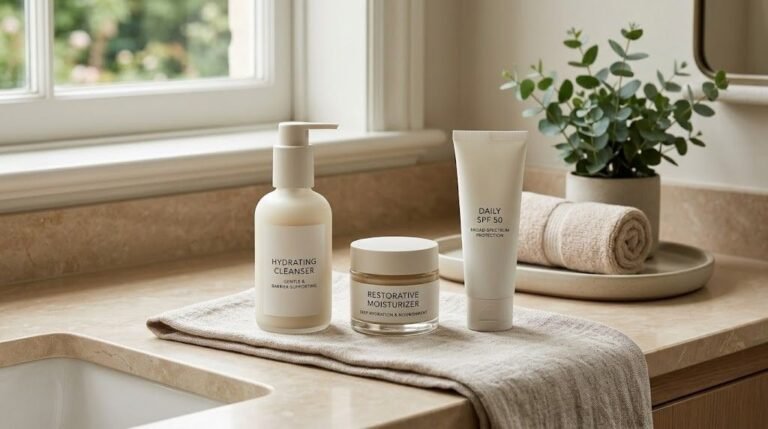
Start with a fragrance-free, soap-free cleanser and lukewarm water. Hot water strips the skin’s natural oils and worsens dryness. NCBI guidelines suggest limiting baths or showers to 10 to 15 minutes and patting skin dry gently with a soft towel rather than rubbing. CeraVe Hydrating Cleanser and Vanicream Gentle Face Wash are commonly recommended for sensitive and eczema-prone skin.
Step 2: Moisturize Within Three Minutes
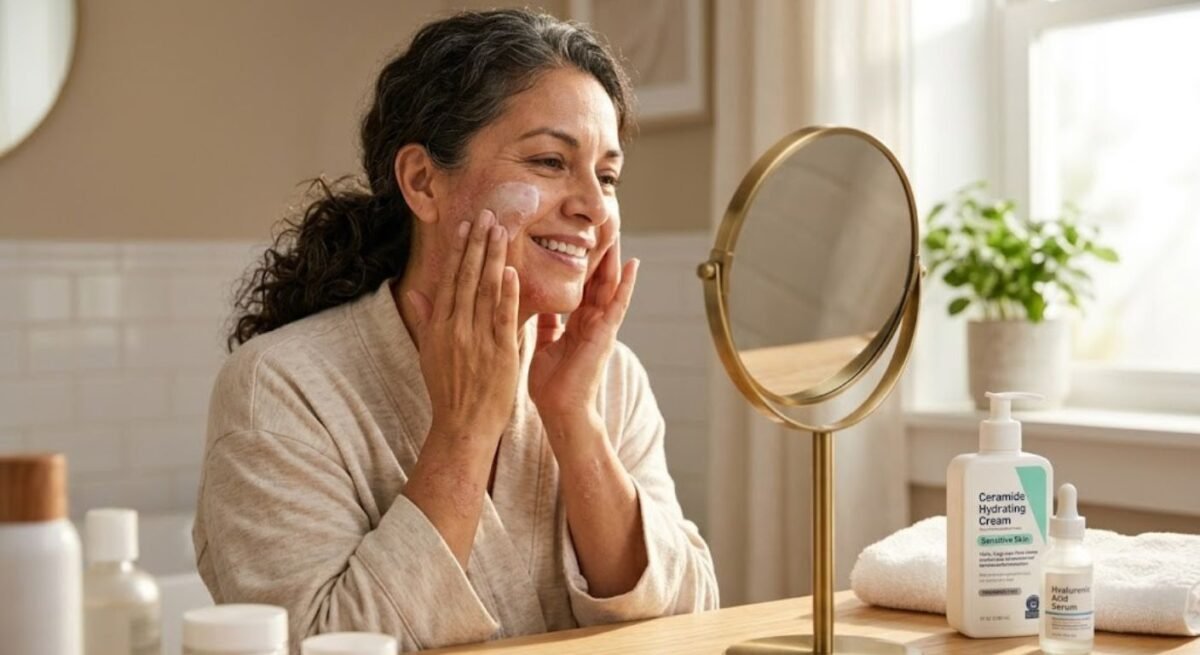
Apply a thick cream or ointment while skin is still slightly damp to seal in moisture before it evaporates. The National Eczema Association calls this the “soak and seal” method, one of the most consistently recommended practices across dermatology. For the face, a lighter ceramide cream may be preferred; for the body, a thicker ointment or balm tends to work better. Repeat moisturizing two to three times daily, especially after washing hands.
Step 3: Treating Active Flares
During a flare, apply a low-potency topical corticosteroid like 1% hydrocortisone to the affected area before your moisturizer. WebMD notes that OTC hydrocortisone should only be used short-term without a dermatologist’s guidance, as prolonged use may thin the skin. For more severe flares, wet wrap therapy involves applying damp bandages over moisturized skin overnight and can provide faster relief, supported by NCBI clinical literature.
6. Long-Term Strategies for Managing Eczema-Prone Skin
PMC research shows that patients who maintain daily emollient therapy even when skin looks clear experience fewer and less severe flares over time. Keeping a simple log of triggers, products used, and skin reactions can help you and your doctor make smarter decisions about when prescription treatments are warranted.
Supplements may also play a supporting role. WebMD notes that vitamin D deficiency has been linked to worse eczema symptoms, and some studies suggest correcting low vitamin D levels may help. Probiotic use is still being studied, but early evidence is promising for certain types of atopic dermatitis. Always consult a healthcare provider before adding supplements to a routine already involving prescription treatments.
Common Pitfalls in Eczema Skincare
One of the most common mistakes is switching products too frequently. Eczema responds better to consistency than constant change. Many “natural” or “organic” products contain essential oils, botanical extracts, or lanolin that can trigger contact dermatitis in sensitive skin, so always check the label.
Skipping moisturizer on good skin days allows the barrier to weaken gradually. The AAD recommends daily moisturizing regardless of whether a flare is active. Using prescription-strength topical steroids as a daily moisturizer rather than for targeted flare treatment is something dermatologists consistently caution against, as it may cause skin thinning and reduced effectiveness over time.
Frequently Asked Questions About Eczema Skincare Products
Q: What is the best type of moisturizer for eczema-prone skin?
A: Thick creams and ointments with ceramides, petrolatum, or colloidal oatmeal tend to work best for eczema-prone skin. The National Eczema Association recommends applying them immediately after bathing to seal in moisture and support the skin barrier.
Q: Can I use regular soap if I have eczema?
A: Regular soaps often contain fragrances and harsh detergents that strip the skin barrier and trigger flares. The AAD advises using only fragrance-free, soap-free, or gentle cleansers specifically formulated for sensitive skin.
Q: How often should I moisturize if I have atopic dermatitis?
A: Most dermatologists recommend moisturizing two to three times daily, including immediately after bathing. Harvard Health notes that daily emollient therapy, even on good skin days, helps prevent the barrier from weakening and reduces future flare frequency.
Q: Is niacinamide safe for eczema-prone skin?
A: Yes. Niacinamide is an anti-inflammatory ingredient that is generally well-tolerated by eczema-prone and sensitive skin. It appears in several dermatologist-recommended products like La Roche-Posay Lipikar Balm AP+ and may help calm redness alongside ceramide-based moisturizers.
Q: When should someone see a dermatologist for eczema?
A: If OTC eczema moisturizers and routine skincare are not improving symptoms within a few weeks, or if the skin is oozing, severely cracked, or infected, a dermatologist visit is appropriate. NCBI clinical guidelines indicate that moderate-to-severe atopic dermatitis often requires prescription treatments like calcineurin inhibitors or biologics such as dupilumab that go beyond what OTC products can provide.
Q: What ingredients should I avoid in skincare if I have eczema?
A: Fragrances, alcohol, lanolin, glycolic acid, salicylic acid, and retinol are among the most common irritants. WebMD and the AAD both caution against these in eczema-prone routines, as they can disrupt the skin barrier and worsen inflammation.
Daily emollient therapy with ceramide-rich, fragrance-free moisturizers forms the backbone of any effective routine. Pair that with a gentle cleanser, a controlled approach to flare treatment, and awareness of your personal triggers to meaningfully reduce how often your skin feels itchy and inflamed.


Discover more from The Harpy Nest
Subscribe to get the latest posts sent to your email.